Anyone organising an outdoor get-together
If the biscuits are going on a table or being handed out during your day out, check the net weight and packaging. A pack to open and share is not the same as individually portioned biscuits.


For Fête de la Musique, choose a chocolate-topped or chocolate-coated biscuit if you want chocolate on the outside; a filled biscuit offers something different. Choose a pack to open and share or packaging that’s easy to hand out, depending on your plans. Then check the quantity, ingredients, allergens and nutritional information for the product you choose.
If the biscuits are going on a table or being handed out during your day out, check the net weight and packaging. A pack to open and share is not the same as individually portioned biscuits.
To compare biscuits of the same type, check the ingredients and nutritional values per 100 g, particularly the sugar, fat and salt, rather than judging by the packaging alone.
Before buying biscuits for a group, check the ingredients and declared allergens for the exact product. Another recipe from the same brand may have a different composition.
First, check whether the chocolate is on the outside of the biscuit or inside as a filling. Then choose packaging that suits sharing or taking with you.
| What to consider | What to check | Who is it for? |
|---|---|---|
| Sharing and taking with you | Net weight and the number of packets or biscuits, if stated. | If I’m putting biscuits out to share or handing them out during a day out, I want to know how many I can take and distribute. Around 40% of consumers prioritise sharing and portability. |
| Ingredients and nutrition | Ingredients and nutritional values per 100 g for comparable biscuits; the Nutri-Score, if shown. | If I’m choosing between two recipes, I want to compare their sugar, fat and salt content. Ingredients are the top priority for around 30% of consumers. |
| Allergens and dietary requirements | The ingredients list and declared allergens on the packaging of the product you choose. | When the biscuits are for a group with dietary requirements, I need to be able to check the exact recipe before sharing them. Around 30% of consumers make this their top consideration. |
A chocolate filling doesn’t mean the biscuit is covered in chocolate. This distinction matters if you’re specifically looking for a chocolate-topped or chocolate-coated variety.
Look for terms such as “topped”, “coated” or “covered” in the product name. Choose a filled biscuit only if that’s the style you’re after.
According to France’s Directorate General for Competition, Consumer Affairs and Fraud Control, the Nutri-Score is voluntary. If it’s not shown, that doesn’t tell you anything about a biscuit’s nutritional composition.
Compare the nutritional information per 100 g and the ingredients lists of similar products. If the Nutri-Score appears on the packaging, use it as an additional guide.
The levy described in the Official Bulletin of Public Finances applies to non-alcoholic drinks containing added sugar, not chocolate biscuits.
To compare biscuits, look at the “sugars” line in their nutritional information instead.
Ingredients can vary from one product to another, even within the same brand. According to the French government’s business portal, allergens must be listed on processed foods.
Check the packaging of the product you’ve chosen and keep it accessible to anyone who needs to check the ingredients.
Carrefour lists several chocolate-topped biscuits from LU, including Petit Écolier and its Pocket format.
Carrefour describes Choco Moo as a biscuit topped with milk chocolate, in a 200 g pack.
BN offers chocolate-filled biscuits, among other products; Carrefour lists a 285 g pack of BN chocolate biscuits.
The brand’s range includes different types of chocolate biscuits, including chocolate-coated wafers.
These products have chocolate on the outside of the biscuit. They come in different formats to suit a day out: a pack to open and share, smaller portions to hand out or a snack to take with you.
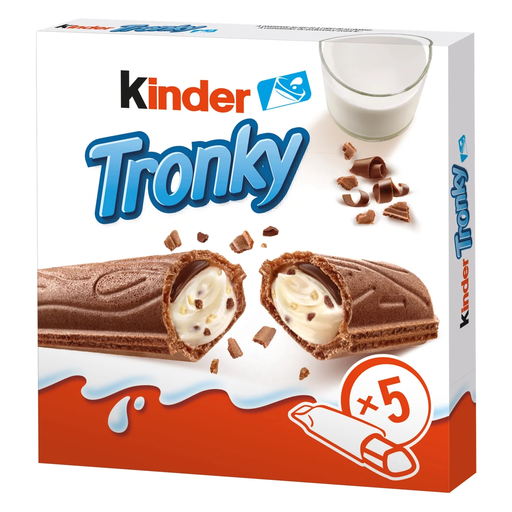 Image unavailable
Worth considering if you’d like to hand out wafers during your day out. The product is described as individually wrapped pieces; check that the 90 g pack contains enough for your group.
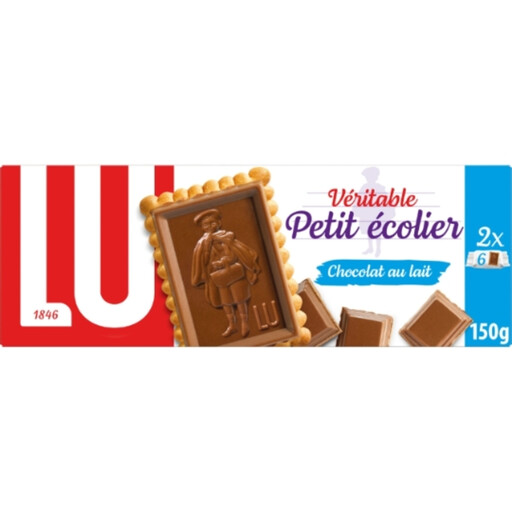 Image unavailable
A pack of biscuits covered in milk chocolate to consider for sharing. If you need to hand out individual portions, check how the biscuits are packaged. Also check the allergens before offering them to the group.
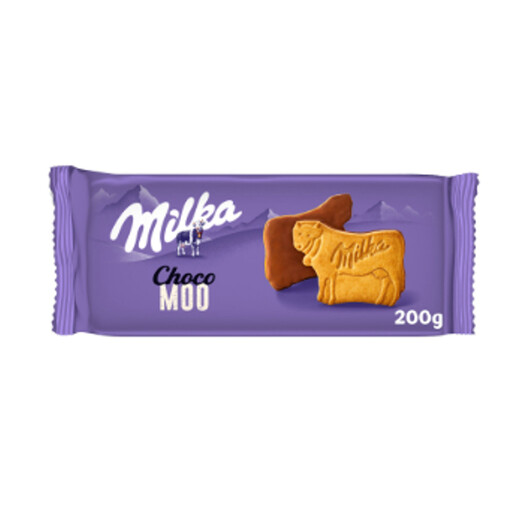 Image unavailable
The 200 g pack could be a good choice if you’re planning to open chocolate-topped biscuits for a group. Check the ingredients and allergens on the packaging before sharing.
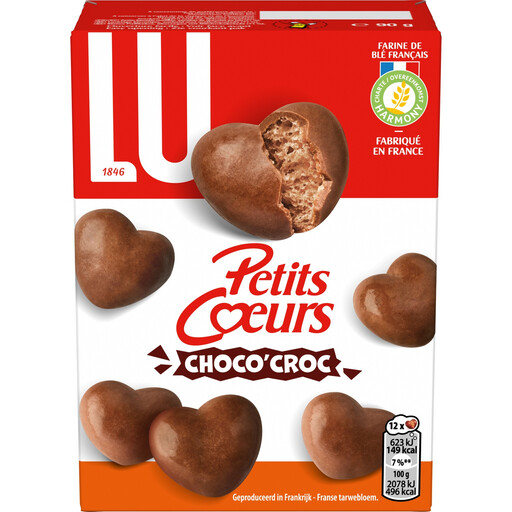 Image unavailable
This 90 g pack is an option if you’re looking for biscuits covered in milk chocolate. If you’re sharing them, check how many biscuits are included and look at the allergens for the product you buy.
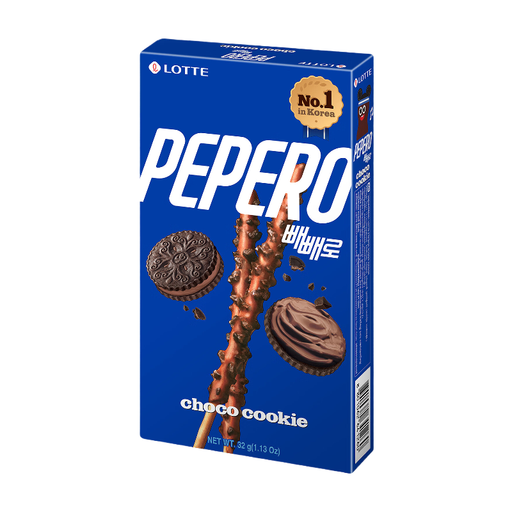 Image unavailable
The 32 g pack is better suited to taking with you as a snack than sharing with a group. The product description says the biscuit sticks are coated in chocolate; check how many sticks are included and review the allergens before sharing.
No. The levy described in the Official Bulletin of Public Finances applies to non-alcoholic drinks containing added sugar, not biscuits. To compare biscuits, check the “sugars” line in their nutritional information.
No. As France’s Directorate General for Competition, Consumer Affairs and Fraud Control explains, the Nutri-Score is voluntary. For pre-packed biscuits, check the nutritional information and ingredients whether or not the logo is displayed.
Read the ingredients and declared allergens on the packaging of the product you’re going to share. Don’t rely on the ingredients of another biscuit from the same brand, and keep the pack accessible to anyone who needs to check it.