If you want a proper chocolate coating
If you want the biscuit covered in chocolate, look for sticks and wafers described as coated. Filled rusks have the chocolate inside instead.


If you want a layer of chocolate on the outside, look for a biscuit, stick or wafer that’s explicitly described as coated. A chocolate-filled rusk is a different kind of treat. For your Christmas shopping, choose a format to suit when you’ll be serving it, then check the pack for allergens, the type of coating and nutritional information per 100 g.
If you want the biscuit covered in chocolate, look for sticks and wafers described as coated. Filled rusks have the chocolate inside instead.
Whether it’s for breakfast, an afternoon treat or with coffee, start by choosing the type of product you want to serve: a rusk, stick, wafer or individually wrapped biscuit. You can choose the brand afterwards.
Before serving a group, check the label on each product for wheat, milk, soya and any warnings about egg or nuts. Ingredients vary from one product to another.
First decide whether you want a filled rusk or an outer coating, then compare the formats and labels of the products you’re considering.
| What to consider | What to check | Who it matters to |
|---|---|---|
| Filling or coating | Whether it’s described as “filled” or “coated”, and whether it’s chocolate or chocolate-flavoured icing. | If I want chocolate all over, an inside filling won’t be what I’m looking for. Around 31% of consumers put this distinction first. |
| Serving format | The net weight and the number of pieces or individual packs. | When putting together a plate for an afternoon treat or serving several people with coffee, I check how the pack is divided up. Around 23% of consumers prioritise this serving format. |
| Allergens and ingredients | The ingredients list on the pack you buy and any “may contain” warnings. | If a guest needs to avoid an ingredient, the exact recipe matters more than the shape of the biscuit. This is the main consideration for around 31% of consumers. |
| Nutritional information | Values per 100 g, particularly energy, fat, sugars and salt. | If I’m choosing between packs of different sizes, I want to compare their values on the same basis. Around 15% of consumers prioritise this comparison. |
A rusk with a chocolate centre doesn’t necessarily have an outer coating. Carrefour describes LU Cracotte as filled, while P'TIT DELI sticks and Milka wafers are described as coated.
Check the product description before choosing: it tells you where the chocolate is.
Products described as coated may be biscuits, sticks or wafers rather than rusks.
If the coating is your deciding factor, compare these categories separately and choose the one that suits how you plan to serve them.
Two chocolate products with a similar shape can have different ingredients and different “may contain” warnings.
Check the label on the pack you buy before serving it, and keep it handy for your guests. The DGCCRF reminds consumers that allergenic ingredients must be highlighted in the ingredients list on prepacked foods.
Worth considering if you want to stick with rusks or crisp toast.
Its product listings make it easy to distinguish between different types of chocolate products.
The retailer lists, among other products, P'TIT DELI milk chocolate-coated sticks, which are different from its range of rusks.
The retailer lists chocolate biscuits, including Milka wafers and OREO biscuits.
These products are for anyone looking for a wafer or biscuit with an outer coating, to serve as an afternoon treat or in portions. They aren’t rusks, and the two strawberry options need particular consideration if you’re after a classic chocolate flavour.
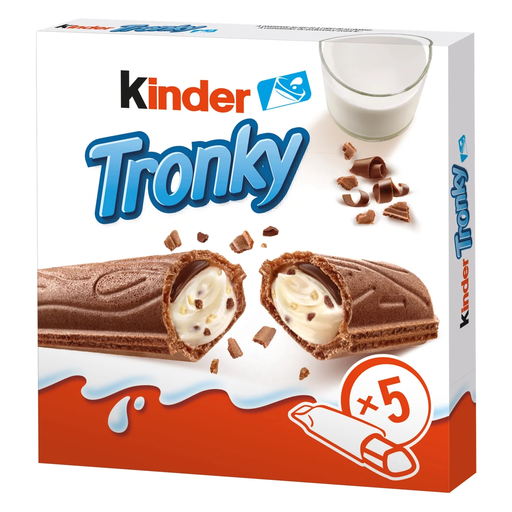 Image unavailable
Worth considering if you’d like to serve chocolate wafers rather than rusks. To plan how many people the pack will serve, check the number of pieces on the pack you receive. If a guest needs to avoid certain allergens, check the label too.
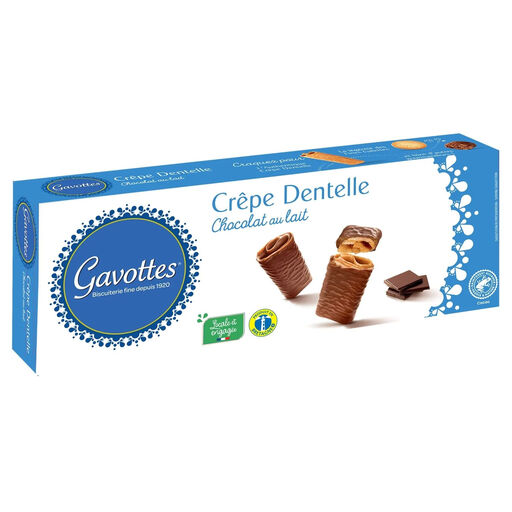 Image unavailable
A lace crêpe format to enjoy with coffee or tea, rather than as a replacement for a rusk. The listing also mentions 90 g: check what this weight refers to and how many pieces are in the pack before deciding how many you’ll need.
 Image unavailable
The nine pieces may suit a portioned serving. This strawberry version isn’t the one to choose if you want a classic chocolate-flavoured coating. Check the pack for allergens and nutritional values to help with your comparison.
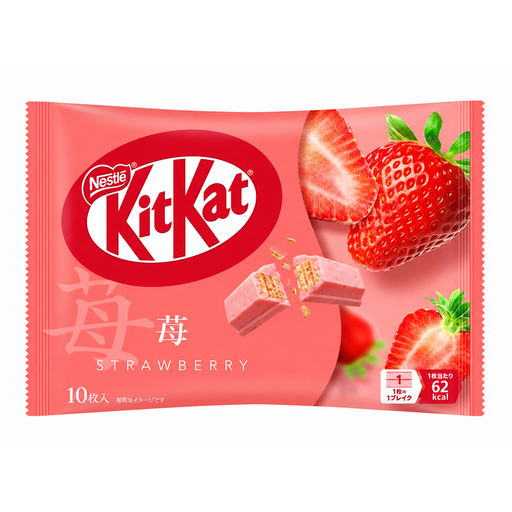 Image unavailable
Worth considering for serving several bars if strawberry is the flavour you’re after. The title mentions 113 g, but check the total weight and serving information on the pack before choosing this format. The packaging also gives details of allergens and nutritional values.
No. “Filled” means there’s a filling inside, while “coated” describes an outer covering. Carrefour lists LU Cracotte as chocolate-filled. If you want chocolate around the outside, look for that feature in the product description.
Read the label on the pack you buy. The products featured mention wheat, while other ingredients and possible traces vary by product, particularly milk, soya, egg and nuts. In France, the DGCCRF says that allergenic ingredients in prepacked foods must be highlighted in the ingredients list.
Compare the values per 100 g, then check the weight and number of servings in each pack against how you plan to use it. The DGCCRF explains that nutritional information given per 100 g or 100 ml makes it easier to compare products. You can use it to compare energy, fat, sugars and salt, among other things.
No. Check the product description, ingredients, allergens, type of coating and nutritional information too. A score alone won’t tell you whether it’s a filled rusk, a coated wafer or a biscuit with chocolate-flavoured icing.