What should you check before choosing?
For a study break, compare the recipe first, then relate the nutritional values to the amount you’re thinking of eating.
| Criteria |
What to check |
Who it matters to |
| Nutritional values |
Compare sugars and saturated fatty acids per 100 g, in particular, across the specific recipes. |
If I’m choosing between a digestive, a filled biscuit and a chocolate-coated biscuit, I want to be able to compare their values on the same basis. Around 31% of consumers put this nutritional comparison first. |
| Amount eaten |
Check the number of biscuits, the packet weight and the values per serving, where the serving matches what you’ll eat. |
If I’m packing a snack for a break on the go, I want to know how many biscuits I’m taking rather than relying on the overall packet weight. Around 31% of consumers put portion control ahead of other criteria. |
| Ingredients and allergens |
Read the ingredients list, highlighted allergens and any ‘may contain’ warnings on the relevant packaging. |
If certain ingredients aren’t suitable for me, I need to check the exact variety before putting it in my bag. This is the main concern for around 23% of consumers. |
| Packaging |
Check the total weight and whether the biscuits are individually wrapped. A packet doesn’t necessarily match the amount you’ll eat. |
If I want to divide biscuits between several breaks, I first look for packaging that’s easy to organise. Packaging is the top priority for around 15% of consumers. |
Chocolate biscuits on Joybuy
These products let you compare individually wrapped chocolate biscuits, filled biscuits and chocolate-coated biscuits for a study break. They aren’t all described as digestives, so check the exact category and recipe before choosing.
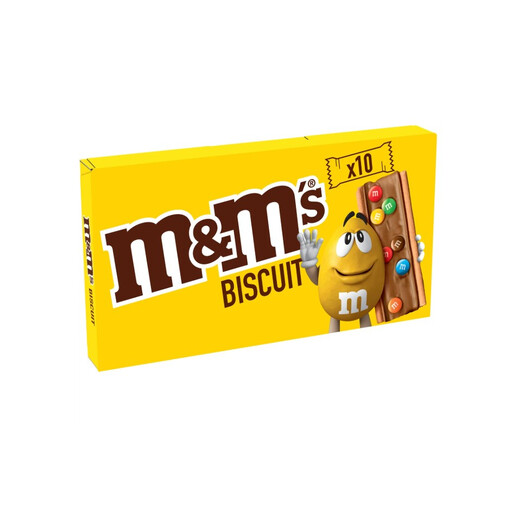 Image unavailable
M&M's Biscuit Pocket, 10 units, 198 g
The 10 individually wrapped biscuits make it easy to plan how much to take with you. The product information lists 37 g of sugars and 15 g of saturated fatty acids per 100 g. To work out the values for your break, also consider how much you eat. Wheat, milk and soya are listed, and the product may contain peanuts.
View on Joybuy
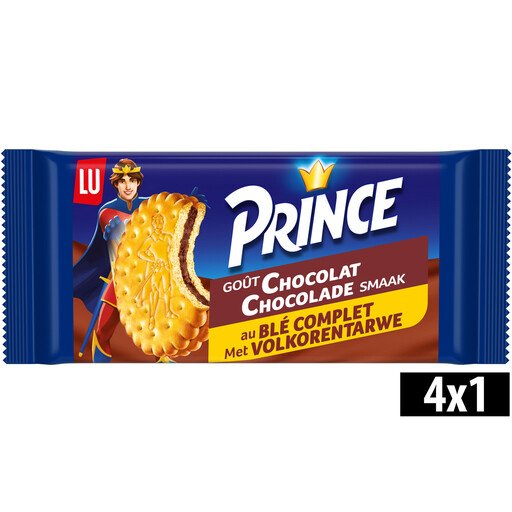 Image unavailable
LU Prince Pocket chocolate and wholemeal wheat biscuits, 80 g
This chocolate biscuit is worth comparing if you’re looking for a recipe containing wholemeal wheat, but don’t confuse it with a digestive. The product information lists 15,2% wholemeal wheat, 32 g of sugars and 5,6 g of saturated fatty acids per 100 g. Wheat, soya and milk are listed, and the product may contain traces of egg.
View on Joybuy
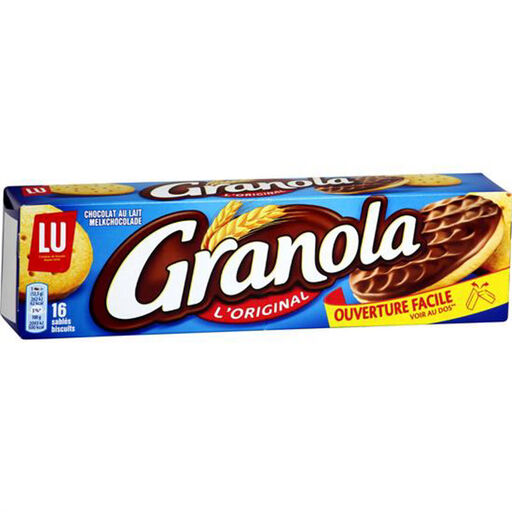 Image unavailable
LU Granola shortbread biscuits topped with milk chocolate, 200 g
These chocolate-coated shortbread biscuits offer another chocolate recipe to compare with filled biscuits or digestives. The product information lists 13% wholemeal wheat flour, 28 g of sugars and 12 g of saturated fatty acids per 100 g. Wheat, milk and soya are listed, and the product may contain traces of nuts.
View on Joybuy
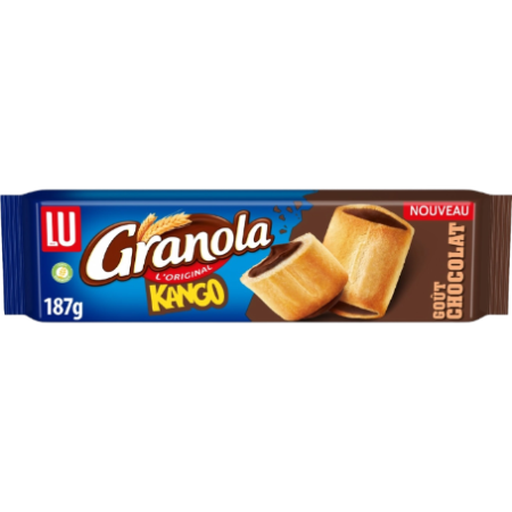 Image unavailable
GRANOLA Kango chocolate-filled biscuits, 187 g
This filled shortbread biscuit is a good option if you’re looking for a chocolate biscuit with a filling as part of the recipe. Its product information lists 34 g of sugars and 15 g of saturated fatty acids per 100 g. The ingredients list includes wheat, milk, egg and soya; check the packaging if any of these are a concern for you.
View on Joybuy
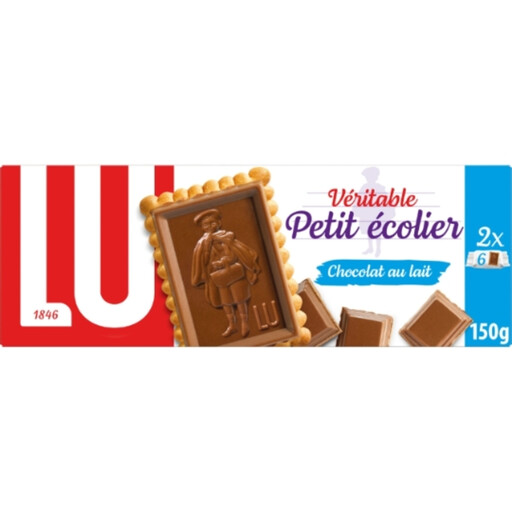 Image unavailable
LU Petit Écolier milk chocolate biscuits, 150 g
This butter biscuit covered in milk chocolate is a good choice to compare if the chocolate coating matters to you. The product information lists 48% milk chocolate, 39 g of sugars and 14 g of saturated fatty acids per 100 g. The proportion of chocolate is no substitute for checking the nutrition table; wheat, milk and soya are listed in the ingredients.
View on Joybuy
Frequently asked questions
Is a chocolate digestive automatically a better choice for revision?
No. The word ‘digestive’ isn’t enough to compare recipes. McVitie’s Switzerland’s product information lists 29,5 g of sugars and 12,4 g of saturated fatty acids per 100 g for its Digestive Milk Chocolate. Compare the product you’re considering with other biscuits on the same basis, then think about how much you’ll eat.
Does a packet of biscuits in France have to display a Nutri-Score?
No. According to the Ministry of the Economy, displaying a Nutri-Score is optional in France. It supplements the nutrition declaration, which the DGCCRF says is mandatory on prepacked foods. So the absence of the logo isn’t enough to judge a biscuit or check whether its packaging complies with the rules.
How do you compare two packets of different sizes?
Start by checking the nutritional values per 100 g: energy, fat, saturated fatty acids, carbohydrates, sugars, protein and salt. Then consider the weight of each biscuit or packet and how much you plan to eat, rather than comparing whole packets alone.
Which allergens should you check in a chocolate biscuit?
Check the allergens listed on the packaging of the variety you buy, along with any ‘may contain’ warnings. Products from McVitie’s Switzerland and Carrefour show that ingredients vary by biscuit, so don’t assume the ingredients list for another recipe applies to your packet.
Does the soft drinks tax apply to these biscuits?
The levy set out in Article 1613 ter of the French General Tax Code, published by Légifrance, applies to drinks and liquid preparations for drinks, not chocolate biscuits. To compare biscuits, check their nutritional information and ingredients directly.


