For a coffee break, start by choosing the texture you’re after: a chocolate square on top of a biscuit or a chocolate coating if you want more chocolate on the outside; a filled biscuit if you prefer a centre; or a pack with enough biscuits to share. Then check the ingredients, allergens, nutrition information per 100 g and pack size for the exact product. Biscuits of the same type can have different recipes.
Who are these biscuits for?
For those who want to taste the chocolate
If chocolate matters just as much as the biscuit in your coffee break, look at how it’s presented: a square on top of the biscuit, a coating, a filling or a chocolate-covered wafer. Each gives you a different texture.
For those sharing a pack
If you’re serving biscuits at home or in the office, the net weight doesn’t tell you everything. The number of biscuits and whether they’re individually wrapped can help you choose a practical pack for your break.
For those who read the labels
If ingredients are part of your decision, compare the ingredients list, allergens and nutrition information for each product. Information about one biscuit doesn’t automatically apply to other products from the same brand.
What should you check before choosing?
For a coffee break, start with the texture you’d like, then check whether the pack size and recipe suit the people who’ll be eating the biscuits.
| What to consider |
What to check |
Who is this for? |
| How the chocolate is presented and its texture |
Type of biscuit — coated, filled or topped with a chocolate square — and the proportion of chocolate, if stated. |
With my coffee, I want to be able to taste the chocolate separately from the biscuit, rather than choosing based on the pack image alone. Around 37% of consumers rank this as their top priority. |
| Pack size and sharing |
Net weight, number of biscuits and whether they’re individually wrapped. |
For a break with others, I want to know how many biscuits I can serve and how to store the rest of the pack. Pack size is the main priority for around 36% of consumers. |
| Ingredients and labelling |
Ingredients, allergens and nutrition information per 100 g; sweeteners, if the recipe contains them. |
Before choosing, I need to be able to check the ingredients for the product I’m going to eat, particularly if any ingredients are relevant to me. Around 27% of consumers put this first. |
Common misconceptions to avoid
-
Assuming Nutri-Score is compulsory or tells you everything
In France, displaying Nutri-Score is voluntary, according to the Ministry of Solidarity and Health. It doesn’t replace the nutrition declaration required for foods covered by the EU regulation, subject to the exemptions it sets out.
If a Nutri-Score is shown, consider it alongside the ingredients list and nutrition information per 100 g, rather than relying on it as your only guide.
-
Taking “no added sugars” to mean “sugar-free”
This claim doesn’t mean the biscuit is free from naturally occurring sugars. On its own, it also tells you nothing about fat or any sweeteners that may be used.
Check the exact wording, the ingredients list and the “sugars” and “fat” entries in the nutrition information.
-
Confusing chocolate biscuits with a box of chocolates
Biscuits to serve with coffee and an assortment of chocolates to give as a gift are suited to different occasions. Their pack sizes, ingredients and labelling need to be checked on the individual products.
Decide whether you’re looking for biscuits to serve with coffee or chocolates to give as a gift before comparing products.
Brands to know
LU
The Petit Écolier range is a good place to start if you’re looking for a biscuit topped with a square of chocolate.
- LU lists Petit Écolier among its biscuit ranges.
- Check the ingredients and allergens for the specific product you choose; the range name alone won’t tell you what they are.
BN
A milk chocolate biscuit listed by Carrefour is made with wholegrains.
- Carrefour’s product listing includes wheat flour and wholegrains among the ingredients.
- The presence of wholegrains alone doesn’t tell you everything about the biscuit’s nutritional values.
Milka
The products listed by Auchan include both biscuits covered in milk chocolate and chocolate-coated wafers.
- This difference in how they’re made can help you choose the texture you’d like with your coffee.
- Check the exact product name and pack size: a wafer and a chocolate-covered biscuit are different products.
Carrefour Classic’ et Carrefour Bio
Carrefour lists, among other products, a shortbread biscuit topped with milk chocolate and a chocolate biscuit made with oats and wholewheat.
- The Classic’ shortbread listing states that it contains 48% milk chocolate; the Carrefour Bio biscuit listing mentions oat flakes and wholewheat flour.
- Compare the ingredients and nutrition information for both products rather than assuming their recipes from the range name alone.
Gerblé
One milk chocolate biscuit is labelled “no added sugars”.
- This claim helps you identify a recipe that meets this specific criterion.
- It doesn’t replace checking the sugars, other nutritional values, ingredients and allergens.
Marque Repère / P'tit Déli
E.Leclerc lists several types of chocolate biscuit from P'tit Déli, including cookies and biscuits topped with milk chocolate.
- The range includes different shapes, so you can compare textures and pack sizes.
- Check the exact product and its packaging before assuming how many biscuits it contains or what’s in it.
Chocolate biscuits on Joybuy
This selection includes chocolate-coated biscuits, chocolate cookies and filled biscuits to enjoy with a coffee. Choose the texture you prefer, then check the pack size and label.
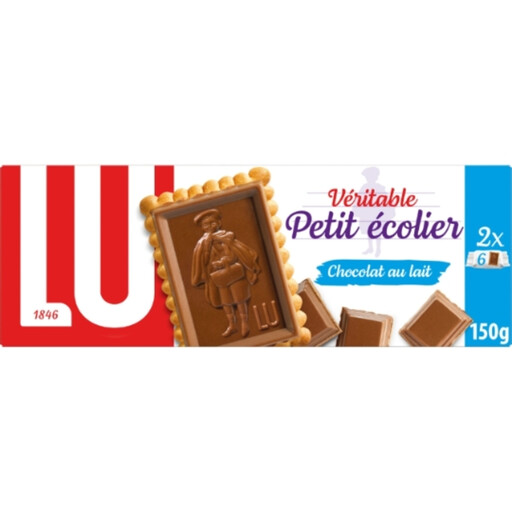 Image unavailable
LU Petit Écolier, milk chocolate biscuits, 150 g
Worth considering if you like a biscuit covered in milk chocolate with your coffee. The pack weighs 150 g; if you’re planning to share it, check the number of biscuits and packaging on the pack.
View on Joybuy
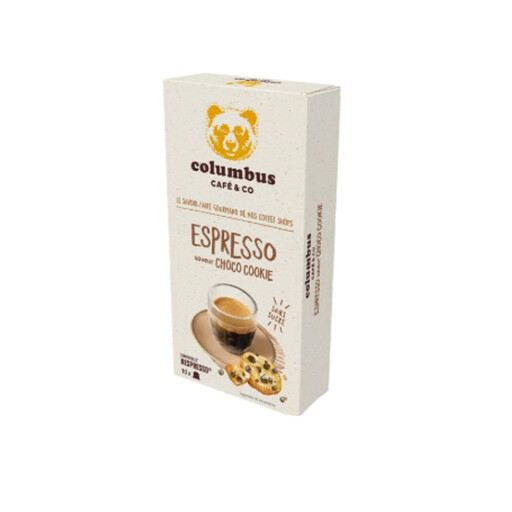 Image unavailable
COLUMBUS Nespresso, chocolate cookies, 10 pieces
The number of biscuits shown can help you plan a break with others. These are chocolate cookies; if you need them to be individually wrapped, check the pack to confirm.
View on Joybuy
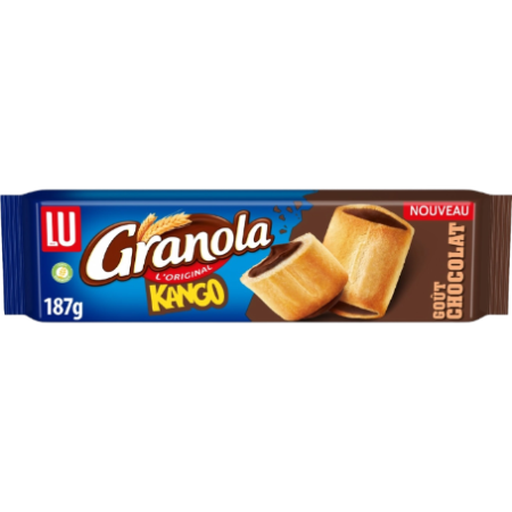 Image unavailable
GRANOLA Kango, chocolate-filled biscuits, 187 g
An option if you’d prefer a chocolate filling to chocolate on top of the biscuit. The pack weighs 187 g; check the ingredients list and allergens for this product before serving.
View on Joybuy
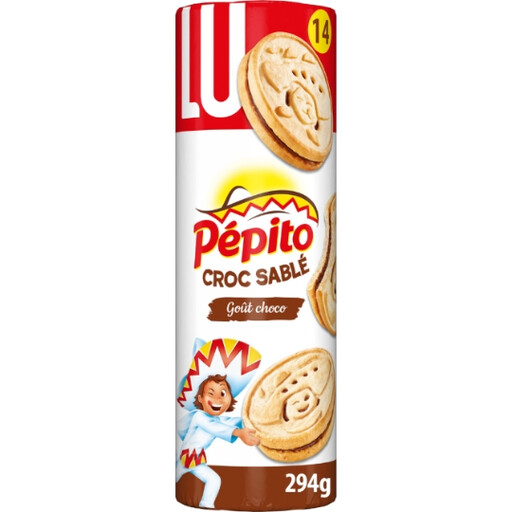 Image unavailable
LU PÉPITO Croc Sablé, milk chocolate-filled biscuits, 294 g
Worth a look if you prefer a shortbread biscuit with a milk chocolate filling. The pack weighs 294 g; if you’re planning a break with others, check how many biscuits are in the pack.
View on Joybuy
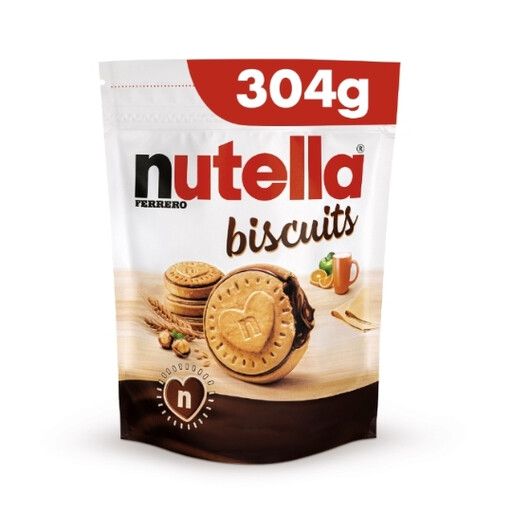 Image unavailable
Nutella Biscuits, 304 g
For anyone who’d like a biscuit filled with cocoa and hazelnut spread during their coffee break. The pack weighs 304 g; check the ingredients and allergens for this product, and the number of biscuits if you’re planning to share.
View on Joybuy
Frequently asked questions
Does the “soda tax” apply to chocolate biscuits in France?
No. The French Ministry of the Economy’s information on this levy says it applies to sugary drinks, not chocolate biscuits. When choosing a biscuit, check its ingredients and nutrition information instead.
Does a pack of chocolate biscuits have to display Nutri-Score?
No. According to the French Ministry of Solidarity and Health, displaying it is voluntary. EU rules on food information require a nutrition declaration for foods covered by the regulation, subject to its exemptions. Check the product’s nutrition information even if there’s no Nutri-Score.
Is a biscuit labelled “no added sugars” necessarily a better choice for a coffee break?
That claim alone isn’t enough to decide. It doesn’t rule out naturally occurring sugars or tell you about fat, allergens or any sweeteners. Check the ingredients and nutrition information for the specific product.
Can you rely on the allergen information for another product from the same brand?
No. Check the label on the biscuit you’re buying. Carrefour’s product listings mention ingredients such as milk, wheat or soya, depending on the recipe. The presence of an ingredient in one product doesn’t tell you what’s in every other biscuit from the same brand.


