People who compare food labels
You’re looking for a chocolate-coated biscuit for breakfast and want to compare nutritional values per 100 g. Pay particular attention to sugars and saturated fat, as well as the Nutri-Score if one is shown.


For a sweet breakfast, start by choosing the texture you like, then compare the ingredients, sugars and fat per 100 g. A filled, coated biscuit also has a filling to consider. If the pack displays a Nutri-Score, use it as additional information, but don’t let it replace checking the allergens.
You’re looking for a chocolate-coated biscuit for breakfast and want to compare nutritional values per 100 g. Pay particular attention to sugars and saturated fat, as well as the Nutri-Score if one is shown.
Your choice depends on the ingredients and allergens in the specific product. Product listings from Carrefour and E.Leclerc show that these vary between recipes, including among biscuits marketed as gluten-free.
You’re deciding between a crunchy biscuit, a wafer or a filled, coated recipe. The biscuit’s structure can help guide your choice, but the product name and ingredients list are also useful for understanding exactly what the coating is.
When choosing a chocolate-coated biscuit for breakfast, start with your main priority: comparing labels, managing a dietary restriction or finding the texture you want.
| Criteria | What to check | Who is it for? |
|---|---|---|
| Nutritional information | Compare sugars and saturated fat per 100 g. Also consider the portion you’ll eat and the Nutri-Score, if one is shown. | If you’re choosing between several biscuits for breakfast, you’ll want to compare their values on the same basis. Around 40% of consumers make this their top priority. |
| Ingredients and allergens | Read the ingredients list and allergen information on the pack you’ve chosen, even if another product in the range suits you. | If you need to avoid a particular ingredient, the product’s texture or format comes second to its composition. This is the main consideration for around 30% of consumers. |
| Texture and format | Tell the difference between a coated biscuit, a filled biscuit and a wafer. Check what the coating is made of and the pack size. | For a sweet breakfast, you may be looking first and foremost for a crunchy biscuit, a wafer or several layers of biscuit and chocolate. Around 30% of consumers prioritise texture and format. |
According to Santé publique France, producers display the Nutri-Score voluntarily. If it’s not shown, you should still check the nutritional information and ingredients list.
If it is shown, use it as an additional guide, then compare the values per 100 g and the ingredients of the products you’re interested in.
Product names don’t all describe the same recipe. Auchan describes its Oreo biscuit as vanilla-flavoured and filled, with a milk chocolate-flavoured coating, while Carrefour says its Carrefour Extra wafers contain 40% chocolate.
Read the product name and ingredients list before comparing two products simply described as chocolate-flavoured.
Product listings from Carrefour, E.Leclerc and Auchan show that ingredients and ‘may contain traces’ information vary from one product to another. A ‘gluten-free’ label doesn’t tell you about other allergens.
Check the label on the product and pack you buy, particularly if you switch recipe or brand.
Among the LU products listed by Carrefour are Petits Cœurs Choco'Croc: milk chocolate-coated biscuits in a 90 g box.
St Michel’s ‘Chocolate’ range includes dark chocolate biscuits and biscuits filled with milk chocolate.
Carrefour lists Carrefour Extra chocolate-coated wafers in a 150 g pack.
E.Leclerc lists milk chocolate-coated biscuit sticks and round biscuits topped with milk chocolate in this range.
Auchan Cream Loop biscuits combine a cocoa biscuit, filling and white chocolate coating, with two biscuits per sachet.
These Joybuy products offer a range of textures for a sweet breakfast: milk chocolate-coated biscuits, chocolate wafers and biscuit sticks. Compare the label of your chosen product against your own criteria.
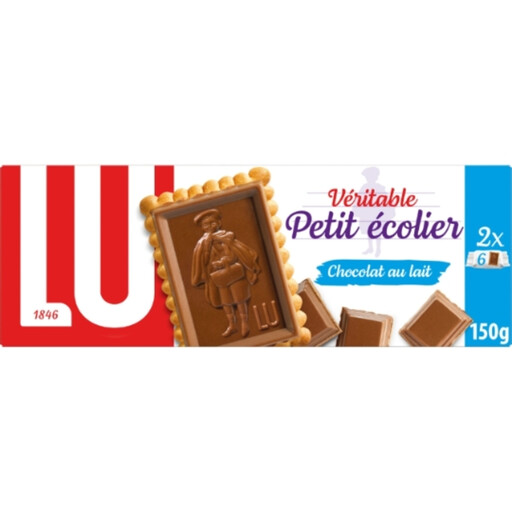 Image unavailable
An option if you prefer a butter biscuit with a milk chocolate coating. To compare it with other breakfast biscuits, check the values per 100 g and the allergens on the pack.
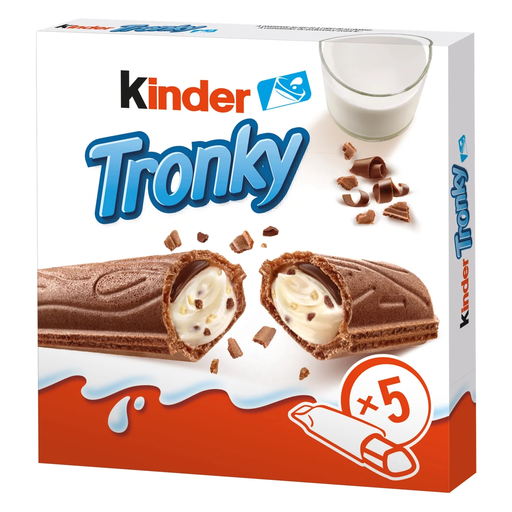 Image unavailable
Worth considering if you’re after the texture of a wafer rather than a shortbread biscuit. Check the filling ingredients, allergens and values per 100 g on the pack.
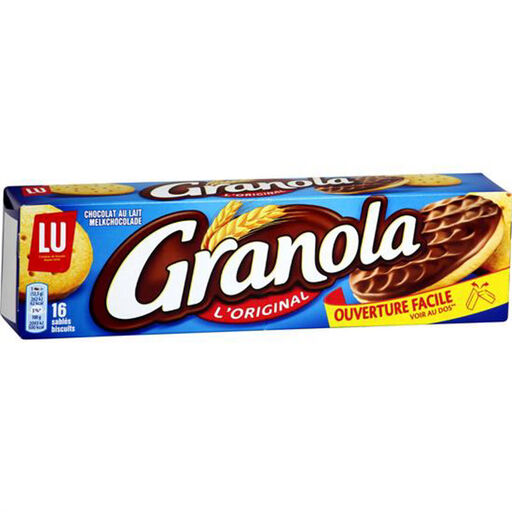 Image unavailable
This is for anyone looking for a coated shortbread biscuit to enjoy with a sweet breakfast. Check the sugars, fat and allergens for this product before comparing it with others.
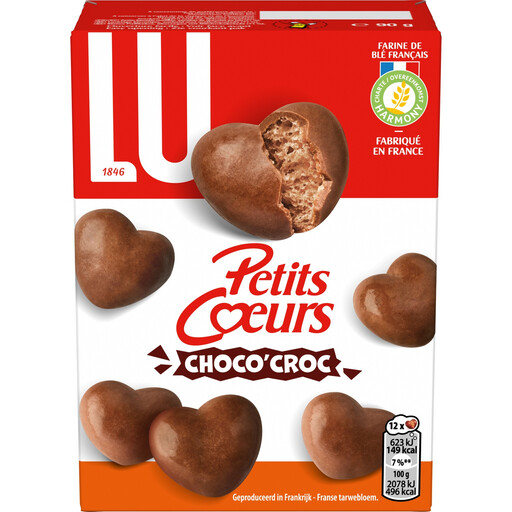 Image unavailable
A choice for anyone after a crunchy biscuit coated in milk chocolate, in a 90 g box. Check the ingredients and nutritional information on the pack if you’re comparing it with other formats.
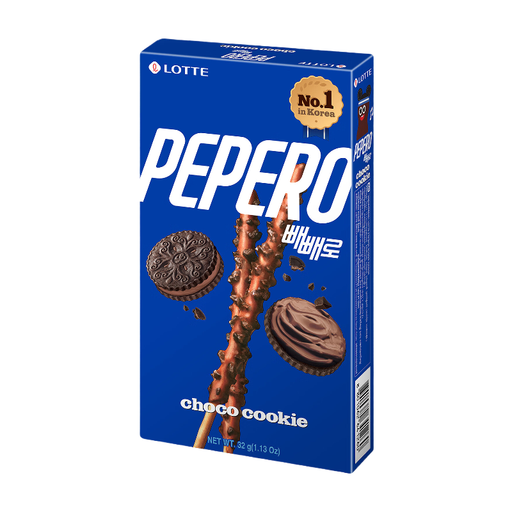 Image unavailable
The stick format is a good fit if you prefer it to round biscuits or wafers. Check the coating description, allergens and values per 100 g on the pack.
No. According to Santé publique France, producers display it voluntarily. When choosing a biscuit, check its nutrition declaration and ingredients list too.
No. If it’s displayed, use it as part of your comparison. Also check sugars and saturated fat per 100 g, the portion you plan to eat and the allergens.
No. E.Leclerc lists milk, soya, eggs and sulphites, among other ingredients, for the gluten-free chocolate biscuit sticks reviewed. Check the ingredients and allergens for the product you’re buying.
Follow the storage instructions on the pack you’ve bought. Storage conditions can vary by recipe, so pay particular attention to advice about heat and moisture.