
Livraison le jour même ou le lendemain

Qualité garantie

Débloquez vos offres de bienvenue: Livraison GRATUITE | Jusqu'à -80 % | 30 jours d'essai gratuits à JoyPlus
Téléchargez l'application
Standing in the chocolate biscuit aisle, the sheer number of choices can be dizzying. Between the enticing packaging and promises of ultimate indulgence, it's easy to walk away with a disappointing purchase. Our mission? To help you decode the labels and avoid marketing traps, so all that's left is pure enjoyment. Follow our guide to make a truly informed choice.
The first trap to avoid is the often-subtle difference between "with chocolate" and "chocolate-flavoured". A biscuit labelled "with chocolate" must legally contain real chocolate (cocoa butter and cocoa mass). In contrast, the term "chocolate-flavoured" often indicates the use of flavourings and cocoa powder, resulting in a much less intense and authentic taste.
Also, be wary of packaging that rides the "traditional" or "artisanal" wave. A charming farm illustration or a mention of an "old-fashioned recipe" guarantees nothing. Only the ingredients list tells the true story, and it sometimes reveals less appealing secrets: palm oil in abundance, glucose-fructose syrups, and all kinds of additives.
One last habit to adopt: don't be fooled by the size of the box. While we often compare unit prices, the only true arbiter of value is the price per kilo. A family-size pack isn't always the best deal, especially if the quality doesn't measure up.
To avoid disappointment, focus on a few key factors that make all the difference between an average biscuit and a true indulgence.
The type of chocolate directly influences the biscuit's flavour profile.
The percentage of chocolate is crucial information. A biscuit with 35% chocolate is not in the same league as one that maxes out at 12%. The tasting experience will be radically different.
A quick look at the ingredients list often says more than the marketing ever could. A basic reminder: ingredients are always listed in descending order by weight.
The packaging should suit your needs.
To guide you, here are a few options that meet distinct profiles and needs, taking into account the criteria we've just discussed.
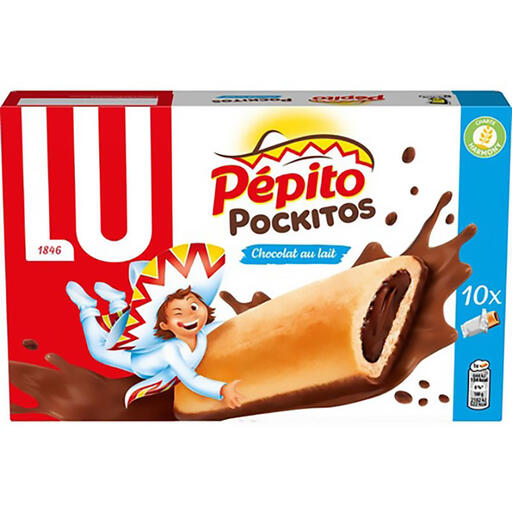
Why we chose it: A timeless classic for snack time. Its fun shape and melting milk chocolate centre make it a favourite with children. The individual freshness packs are ultra-convenient for school bags.
The ingredients list is clear: it contains real milk chocolate (12%) and chocolate powder (14%), without hiding behind a simple "flavouring".
The balance between the crunchy biscuit and the generous filling is well-executed, making it an indulgent but never overwhelming snack.
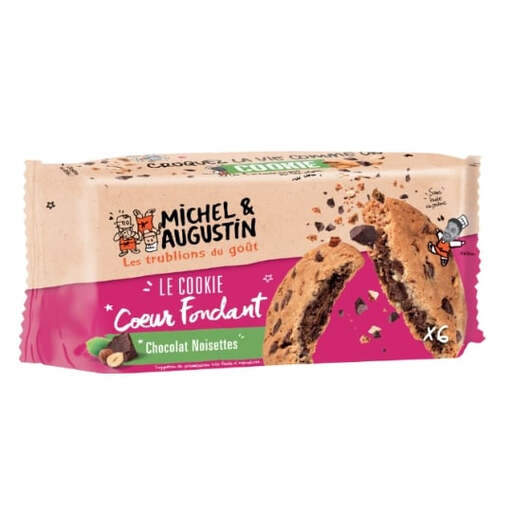
Why we chose it: For those who want more than just a biscuit: a truly indulgent and textured break. This cookie combines a crispy exterior, a melting centre, and hazelnut pieces. Perfect for a comforting coffee break.
No misleading "artisanal" imagery, just clearly listed quality ingredients: butter, real hazelnut pieces (4.5%), and dark chocolate chips (15%).
The dual texture (crispy/melting) and the delicious combination of chocolate and hazelnut offer a more complex and satisfying tasting experience.
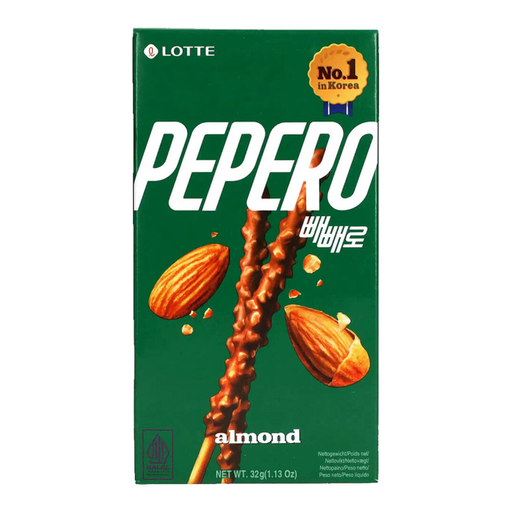
Why we chose it: For those looking to get off the beaten path. This Korean snack, a cousin to Japanese chocolate biscuits like Pocky, offers a unique texture with its thin, crunchy stick coated in chocolate and almond pieces.
It doesn't pretend to be something it's not. This is a modern, international snack whose appeal lies in its originality, not in a false sense of tradition. The format is designed for on-the-go consumption.
The combination of the thin biscuit, milk chocolate, and toasted almonds provides a very satisfying crunch and a light, fun tasting experience.
We've put together a complete selection of products that tick all the right boxes, updated regularly.
A biscuit's number one enemy is moisture. To preserve their crunch, store them in an airtight metal tin or glass jar, away from heat and light. Avoid the refrigerator, which can alter the chocolate's texture and soften the biscuit.
Although both are types of chocolate biscuits, it's all about texture. A chocolate cookie is characterized by its chewy centre and crispy edges, with chips generously distributed throughout the dough. A chocolate shortbread, on the other hand, is more crumbly and uniformly crisp. Its melt-in-the-mouth texture can be enhanced with a chocolate coating or filling.
Yes, and the options are becoming more and more common. Read the nutritional information carefully. Some biscuits, especially those made with high-cocoa dark chocolate, are naturally lower in sugar. There are also specific "no added sugar" ranges or protein biscuits like Joyfuel Milk Chocolate Cookies, which use sweeteners for a lighter sugar profile.