When choosing a biscuit to enjoy with coffee, start with how you plan to enjoy it: go for a classic chocolate biscuit if taste and texture matter most, or choose a breakfast biscuit if its format suits you. Either way, compare sugars and other nutritional values per 100 g, check what they mean for your portion, and read the allergen information for the exact product. The word ‘digestive’ or the presence of cereals isn’t enough to tell you which recipe is right for you.
Who are these biscuits for?
Anyone looking for a convenient biscuit with their coffee
If you eat breakfast at home or take it with you, check the texture and packaging of the product you’re considering. Carrefour and Auchan list some BelVita recipes in individual sachets, but this format alone tells you nothing about their ingredients.
Anyone comparing sugar and fibre content
To compare two chocolate recipes, check their nutritional values on the same basis, per 100 g, then relate them to the amount you plan to eat. A displayed Nutri-Score can help, but it shouldn’t replace this comparison.
Anyone who needs to check allergens
Check the ingredients list and any ‘may contain’ warnings on the exact packet. Ingredients and potential traces vary between the chocolate recipes listed by Auchan and Carrefour, even within the same biscuit category.
What should you look for first?
For your morning coffee, start with what matters most to you, then check the recipe and how much you’ll actually eat. The ‘breakfast’ label doesn’t replace these checks.
| What to consider |
What to check |
Who is it for? |
| Nutritional composition |
Compare sugars, fibre, energy, saturated fat and salt per 100 g, then consider how many biscuits you plan to eat. |
If I’m comparing several chocolate recipes, I want to understand what their nutritional values mean for my portion. Around 44% of consumers put this comparison of nutritional composition first. |
| Texture and format |
Check the stated texture, the packet weight and, if applicable, the contents of each sachet. |
With my coffee, I’m mainly looking for a biscuit I can enjoy at home or easily take with me, depending on my routine. The format and how well it goes with a drink come first for around 33% of consumers. |
| Allergens |
Read the ingredients and any ‘may contain’ warnings for the exact variety and format. |
Before choosing a chocolate flavour, I need to know whether its recipe is suitable for me and the allergens I avoid. This check comes first for around 23% of consumers. |
Common misconceptions to avoid
-
Judging a biscuit by its Nutri-Score alone
In France, the DGCCRF describes Nutri-Score as a voluntary label, separate from the nutrition declaration required for prepacked foods. Its absence doesn’t mean a recipe is less suitable.
Compare the nutritional information per 100 g, and use Nutri-Score as an additional guide when it’s displayed.
-
Assuming the tax on sugary drinks applies to biscuits
The scope of the levy described by Légifrance covers drinks and liquid drink preparations containing added sugars, not chocolate biscuits.
When choosing biscuits, check the sugar content and other nutritional values for the specific product you’re considering.
-
Assuming ‘cereals’ means low in sugar
The presence of cereals or fibre doesn’t tell you everything about a biscuit’s composition. Any features highlighted for a breakfast biscuit should be considered alongside its nutritional values.
Compare fibre and sugar on the same per-100 g basis, then take your portion size into account.
-
Guessing allergens based on the type of biscuit
The chocolate recipes reviewed list different ingredients or potential traces, including wheat, milk, soya, egg, sesame and nuts.
Check the label on the exact packet if you switch recipe, flavour or format.
Brands to consider, depending on the recipe
LU / BelVita
The BelVita range includes chocolate breakfast biscuits, with different textures and packaging depending on the product.
- Carrefour and Auchan list products intended for breakfast; an Auchan product listing describes individually wrapped sachets.
- Check the ingredients and allergens for the variety you choose: the range’s positioning doesn’t apply to every LU recipe.
Gerblé
Some Gerblé products are described as chocolate breakfast biscuits that highlight their fibre content.
- Auchan displays a Nutri-Score B for its Gerblé Matin chocolate biscuits; this information applies to that specific product.
- Don’t assume this score or the stated composition applies to other Gerblé biscuits. Check the allergen information on the packaging too.
BN
The BN chocolate biscuits listed by Carrefour are classic chocolate biscuits, rather than a recipe specifically positioned as a breakfast biscuit.
- The Carrefour product listing mentions wholegrain cereals for this product.
- This detail alone doesn’t tell you everything about the recipe. Check the nutritional values, portion size and allergens.
Bjorg
Carrefour lists a Bjorg product made with organic oat biscuits and chocolate chips, for breakfast or a snack.
- The product listing identifies an oat and chocolate chip recipe that you can compare with other biscuits to suit your preferences.
- The presence of oats doesn’t mean you can skip checking the other ingredients and allergen warnings on the exact packet.
Chocolate biscuits available on Joybuy
This selection includes biscuits filled with or coated in chocolate, some of which are presented as suitable for breakfast or to enjoy with coffee. Compare their formats and recipes without assuming they all belong to the same ‘digestive’ biscuit category.
 Image unavailable
LU Prince wholewheat biscuits filled with chocolate, 300 g
A chocolate-filled option to consider if you’d like a biscuit with your morning coffee. The packet contains 300 g; check the packaging to see how much makes up your portion and to check the allergens, including wheat, milk and soya.
View on Joybuy
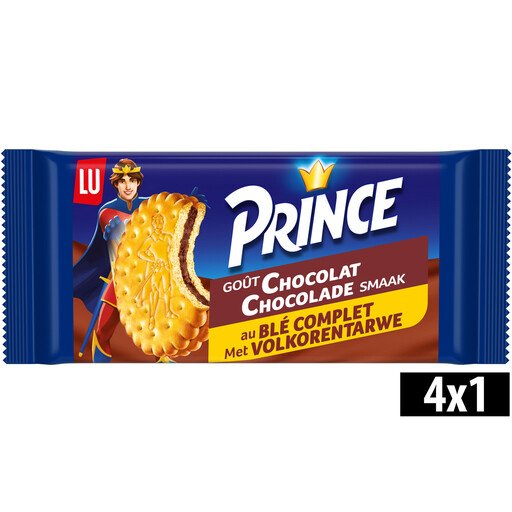 Image unavailable
LU Prince Pocket wholewheat biscuits, chocolate flavour, 80 g
The 80 g pack may suit you if you’re looking for a smaller packet, but it doesn’t tell you how much makes up a portion. For this wholewheat, chocolate-flavoured recipe, check the ingredients and allergen information on the packet.
View on Joybuy
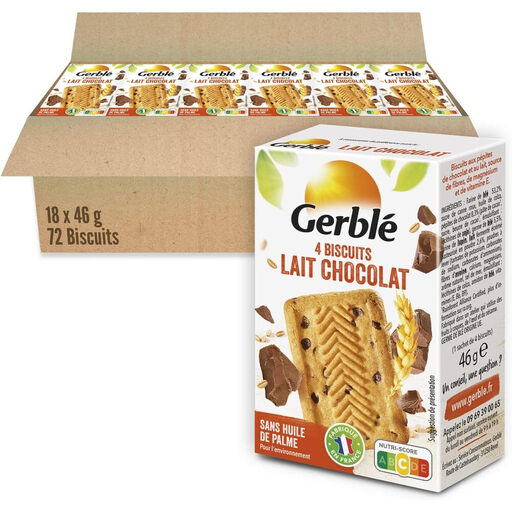 Image unavailable
GERBLE Chocolate Milk Pocket, 46 g
This 46 g chocolate biscuit is presented as a breakfast option. If you’re comparing its composition with another biscuit, use the values per 100 g and check the allergens for the exact recipe, including wheat, lupin, soya and milk.
View on Joybuy
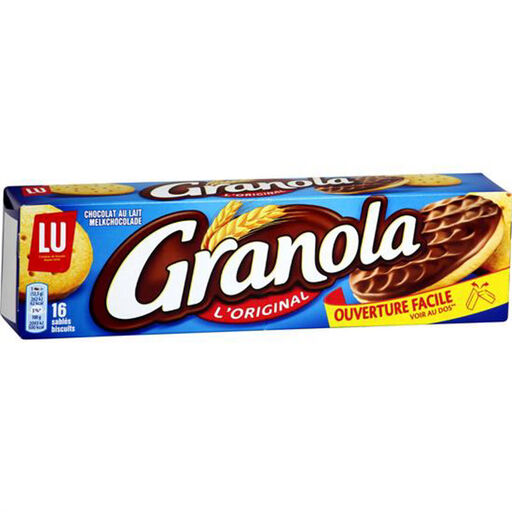 Image unavailable
LU Granola shortbread biscuits coated in milk chocolate, 200 g
Worth considering if you prefer a milk chocolate-coated shortbread with your coffee. The packet contains 200 g: work out your portion based on how many biscuits you eat, and check the warnings for wheat, milk, soya and possible traces of nuts.
View on Joybuy
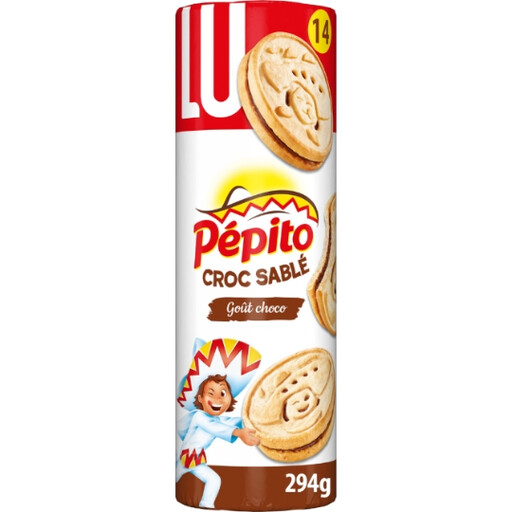 Image unavailable
LU PÉPITO Croc Sablé shortbread biscuits filled with milk chocolate, 294 g
This filled shortbread is more suited to a craving for a classic chocolate biscuit with a hot drink. The packet contains 294 g; check the portion you plan to serve and the allergens listed for this product, including wheat, milk and soya.
View on Joybuy
Frequently asked questions
Is Nutri-Score mandatory on chocolate biscuits in France?
No. The DGCCRF says Nutri-Score is voluntary; it supplements the nutrition declaration required for prepacked foods. If it isn’t displayed, compare the nutritional information on the packet rather than drawing conclusions about the product’s composition.
Does the French tax on sugary drinks apply to chocolate biscuits?
No. The text published by Légifrance covers drinks and liquid drink preparations containing added sugars, not biscuits. To compare biscuits, check their own sugar content.
How should I compare an individual sachet with a packet of biscuits?
First compare the nutritional values per 100 g, then check the sachet weight or how many biscuits you’ll eat. Individual packaging makes serving easier, but doesn’t determine the portion that’s right for you.
Are oat or cereal biscuits always gluten-free?
No. The cereal-based products reviewed may also contain wheat or list other allergens. If you need to avoid gluten, check the ingredients and warnings on the exact packaging; don’t rely on the recipe name alone.


