For quick lunchbox preparation, choose a multi-pack with individually wrapped portions. If you’re sharing biscuits at breakfast at home, several larger packs may be easier to portion out over a few days. In either case, check the total weight and the weight of each portion, then compare the ingredients, allergens and nutritional values per 100 g.
Who are these formats for?
Parents preparing lunchboxes
If you’re portioning biscuits for several days, individual packets mean you don’t have to open a large pack every morning. Check how many biscuits each packet contains and its weight: two boxes with the same number of packets may not contain the same overall quantity.
Households sharing biscuits at breakfast
Several larger packs let you open one at a time at home. Check the weight of each pack and the storage instructions after opening, rather than relying on the total weight of the multipack alone.
Shoppers who check the labels
If the ingredients are the deciding factor between two convenient formats, compare the sugars, fat and salt per 100 g, then check the ingredients and allergens for each recipe. The DGCCRF states that a nutrition declaration is generally compulsory for prepacked foods; Nutri-Score, however, is voluntary in France.
What should you check first?
For a quick breakfast, first decide between portions to take with you and packs to share. The weight and label can then help you choose between formats that suit your needs.
| What matters |
What to check |
Who it suits |
| Portions to take with you |
Whether portions are individually wrapped and the weight of each packet. |
When you need to prepare several lunchboxes, being able to grab one packet without opening the rest of the multipack matters most; around 36% of consumers prioritise this. |
| Nutritional composition |
Nutritional values per 100 g and the ingredients list; Nutri-Score, if shown. |
When choosing between two recipes suitable for breakfast, some consumers want to check the sugars, fat and salt first; this is the top priority for around 29% of them. |
| How much you get |
The total weight of the multipack and the quantity in each pack. |
If several people eat these biscuits, what matters most is whether the quantity suits the household’s habits; around 21% of consumers put this first. |
| Sharing over several days |
The number of individual packs and storage instructions after opening. |
At home, being able to open the biscuits gradually may matter more than having portions ready to take with you; this is the main consideration for around 14% of consumers. |
Common pitfalls to avoid
-
Assuming the ‘soda tax’ applies to biscuits
The French Ministry of the Economy describes this levy as a tax on sugary drinks, not as a tax criterion specific to chocolate biscuits.
When comparing two packs, check their packaging, ingredients and nutritional information instead.
-
Reading the absence of Nutri-Score as a rating
According to the French Ministry of the Economy, displaying Nutri-Score remains voluntary in France. So if there’s no logo, you can’t infer a biscuit’s score.
If it appears on the packaging, use it as one guide among others, and also read the nutritional values per 100 g and the ingredients list.
-
Comparing only the number of packets
A packet doesn’t always contain the same amount: for example, Carrefour France lists BN Mini chocolate flavour in 5 packets of 35 g and LU Pocket Prince in 10 packets totalling 400 g.
Check the weight per packet and the total weight to choose the right quantity for the occasions you have in mind.
-
Assuming every recipe from a brand has the same allergens
Ingredients vary between chocolate products. The information on one box isn’t enough to help you choose a different recipe, even if it’s from the same brand.
Check the ingredients and allergen information on the packaging of the specific product you’re buying, particularly if you’re preparing portions for several people.
Brands to compare by format
These packaging examples can help you spot differences between products. A brand name doesn’t guarantee the same recipe or packaging across its whole range.
LU
For a comparison of sharing packs and portions to take with you, Carrefour France lists Prince in a pack of 3 × 300 g and Pocket Prince in a box of 10 packets totalling 400 g.
- Two different pack formats let you choose between packs to open at home and individual packets to portion out.
- Check the recipe and allergens for the product you choose: the information varies between LU products.
BN
Carrefour France lists BN Mini chocolate flavour in 5 packets of 35 g, a format to consider when portions need to be carried separately.
- The weight of each packet is stated, making it easier to choose how much to take with you.
- The recipe described contains wheat, rye and milk, among other ingredients; check the packaging for full allergen information.
Milka
The Choc & Choc and Choco Trio examples listed by Carrefour France are chocolate-filled cakes, packaged in 2 packs of 7 packets and a box of 6 packets respectively. They shouldn’t be confused with plain biscuits.
- The individual packets make it easy to portion the cakes out for different occasions.
- The recipes mentioned contain wheat, milk and eggs, among other ingredients. For Choc & Choc, Carrefour France doesn’t provide a calculated Nutri-Score; this absence isn’t a rating.
Carrefour
One Carrefour chocolate biscuit product has been listed in a pack of 3 × 225 g, an example of a family-size format to compare with multipacks from national brands.
- Separate packs let you choose how much to open each time.
- The packaging for one product doesn’t tell you about other Carrefour biscuits; also check the ingredients and allergens on the pack you choose.
Joybuy products: individual packets, packs and assortments
These products offer options for portions to take with you, a pack of biscuits to share or an assortment. The range also includes wafers and an assortment where not every variety is chocolate-flavoured. Choose according to the category and packaging you’re actually looking for.
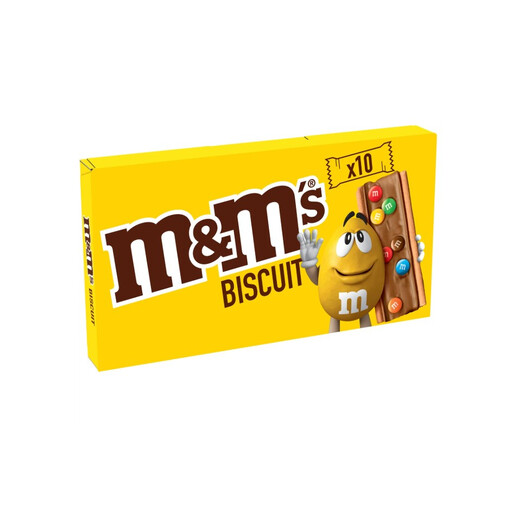 Image unavailable
M&M's Biscuit Pocket, pack of 10, 198 g
The pack of 10 may suit you if you want several portions to take with you. If each portion needs to go straight into a lunchbox, check the pack to see whether they’re individually wrapped.
View on Joybuy
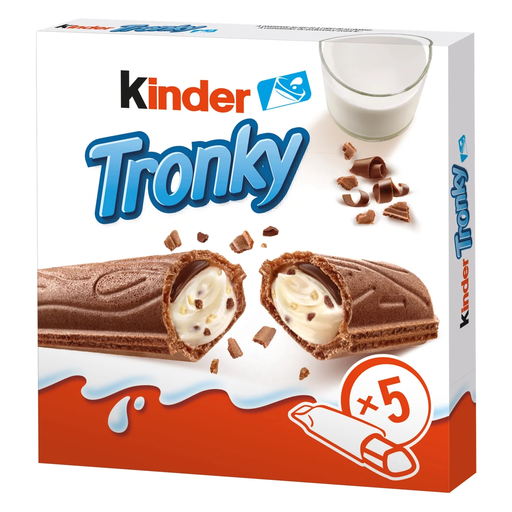 Image unavailable
Kinder Tronky, milk chocolate wafers, 90 g
These wafers are another option to consider for a snack on the go, rather than a plain chocolate biscuit. The pack weighs 90 g; check how many portions it contains and whether they’re individually wrapped if you want to share them between several lunchboxes.
View on Joybuy
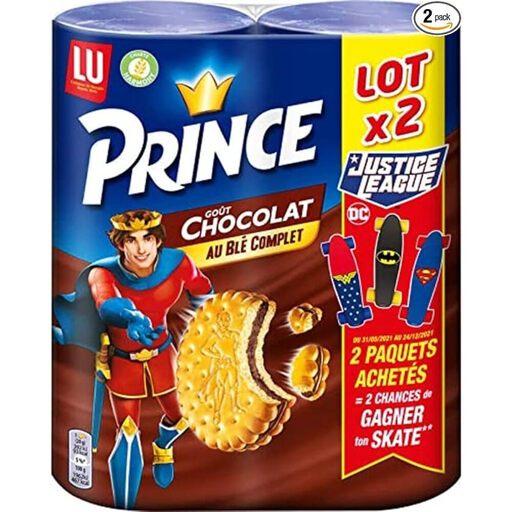 Image unavailable
PRINCE chocolate, pack of 2 × 300 g
Two separate packs may suit a household that shares biscuits at home and wants to open them one at a time. Each pack weighs 300 g; this format doesn’t mean the biscuits are individually wrapped for lunchboxes.
View on Joybuy
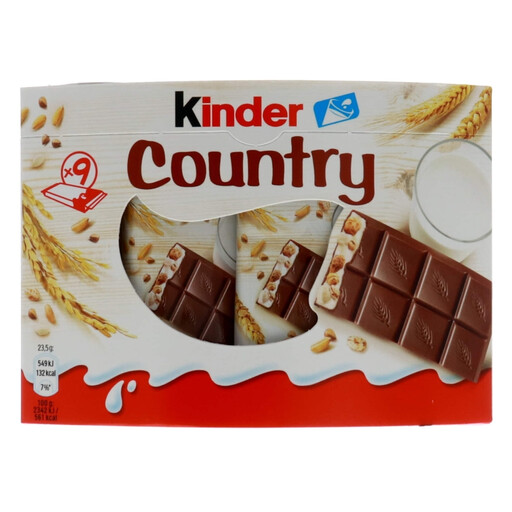 Image unavailable
Kinder Country Biscuits, pack of 9, 211.5 g
The pack of 9 may suit you if you want several portions rather than opening a large pack of plain biscuits. It weighs 211.5 g; if you’re looking for portions ready to pop into a lunchbox, check whether each one is individually wrapped.
View on Joybuy
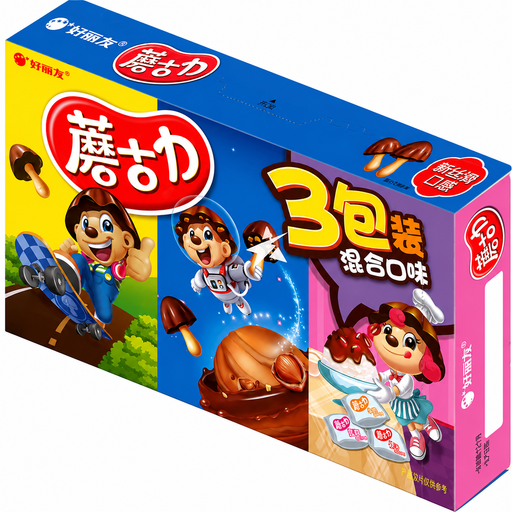 Image unavailable
Orion assorted biscuits with red bean, chocolate and hazelnut, and milk chocolate, 3 × 48 g
The three 48 g packs can be shared between several occasions if the household enjoys a variety of flavours. The assortment includes red bean biscuits, so don’t assume that every pack is chocolate-flavoured.
View on Joybuy
Frequently asked questions
Does the ‘soda tax’ apply to chocolate biscuits in France?
No. The French Ministry of the Economy describes this levy as applying to sugary drinks. When choosing biscuits, check their sugar content in the nutrition declaration rather than using this tax as a deciding factor.
Does a pack of chocolate biscuits have to display Nutri-Score?
No. According to the French Ministry of the Economy, displaying Nutri-Score remains voluntary in France. The DGCCRF states that a nutrition declaration is generally compulsory on prepacked foods. This lets you compare sugars and fat per 100 g, even when there’s no Nutri-Score.
How do you compare multi-packs of different sizes?
Check the total weight, the number of packs or packets, and the weight of each one. To compare recipes rather than formats, use the nutritional values per 100 g and read the ingredients list.
Which allergens should you check in multi-pack chocolate biscuits?
Check the allergen information for the specific product rather than relying on the brand alone or the word ‘chocolate’. Depending on the product, the recipes listed by Carrefour France mention cereals containing gluten, milk, soya, eggs or nuts. Check the packaging of the product you buy to see which warnings apply.


