Anyone serving an individual treat
A pre-portioned bar can be added to a dessert plate or served separately at the end of a meal. Check that each bar is individually wrapped if you want to give every guest their own packet.


A chocolate biscuit bar is a good choice when you want a ready-to-eat portion to serve on its own or add to a Christmas dessert plate. But if your recipe calls for chocolate to be melted or measured out, choose chocolate made for baking instead. The biscuit, filling and coating in a bar will change the finished recipe. To compare bars, check the ingredients and allergens first, then look at the nutritional information for the specific product you’re considering.
A pre-portioned bar can be added to a dessert plate or served separately at the end of a meal. Check that each bar is individually wrapped if you want to give every guest their own packet.
Before sharing the bars, check the ingredients and any ‘may contain’ warnings for the specific product you’ve bought. Product listings checked at Auchan and Carrefour mention wheat, milk and soya, among other things, depending on the bar.
To compare two bars, look at the sugars and saturated fat per 100 g, then consider how much you’ll actually serve. The Nutri-Score can also help when it appears on the product.
For Christmas, start with how you plan to use it: a treat to serve as it is has a different purpose from an ingredient to mix into a bake.
| What to consider | What to check | Who is it for? |
|---|---|---|
| Portion and use | Check whether the bars are individually wrapped and how many are in the pack. If you need chocolate to melt or weigh out, choose a baking ingredient rather than a finished bar. | When I’m putting together a dessert plate, I want to serve a treat separately without having to cut or prepare it. Around 33% of consumers would prioritise individual portions above all else. |
| Ingredients and allergens | Read the ingredients list and highlighted allergens on the pack, as well as any ‘may contain’ warnings. | If any guests need to avoid certain ingredients, I need to know exactly what’s in the treat I’m offering them. Checking the recipe would be the top priority for around 27% of consumers. |
| Nutritional information | Compare the sugars and saturated fat per 100 g, then take the portion you’ll serve into account. Check the Nutri-Score if one is shown. | When choosing between two bars, I want to compare their nutritional values based on the amount I’ll serve. Around 27% of consumers would put this comparison first. |
| Organic certification and origin | Check the certification or origin shown on the specific product, then look at its ingredients too. | If I’m looking first for a certified organic bar or origin information, the label needs to confirm it. This would be the main preference for around 13% of consumers. |
A filled or coated bar also contains biscuit and other ingredients. Melting it or mixing it into a batter will change the recipe’s intended ingredients and texture.
Serve it as it is, or add it to the dessert at the last minute. If your recipe calls for melted chocolate, use chocolate designed for that purpose.
According to Santé publique France, displaying the Nutri-Score is voluntary. So its absence alone isn’t enough to judge a bar.
If it is shown, use it as an additional guide and check the ingredients, allergens and nutritional values too.
A bar’s size doesn’t change what’s in it. The recipes we reviewed contain different allergens, and some warn that traces may be present.
Keep the packaging so you can check the exact product before offering it to guests who need to be careful.
LU’s range includes Pépito Pockitos, a filled and coated bar, as well as a Granola cookie bar.
The range we reviewed includes a chocolate cookie bar, milk-filled bars and an organic option.
The range includes Biscuits Barres Cœur au Lait, worth considering if you’re looking for a chocolate biscuit with a filling to serve as an individual portion.
This Marque Repère range includes a milk-filled chocolate bar in a pack of five.
These products are biscuit-based treats to serve as they are or add to a dessert plate, rather than chocolate intended to be melted into a recipe. If you want each portion in its own packet, check the packaging for the product you choose.
 Image unavailable
Consider these for serving a chocolate wafer alongside dessert, rather than as a substitute for baking chocolate. If you’re planning to give each guest an individually wrapped bar, check the packaging and the listed allergens.
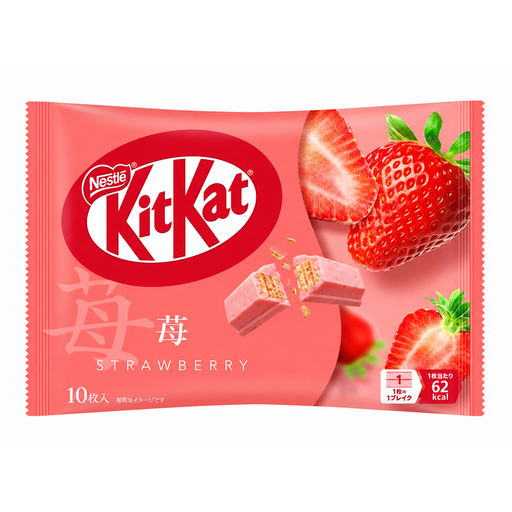 Image unavailable
Worth considering if you’re looking for a strawberry-flavoured bar that’s ready to serve with dessert. Check that the bars are individually wrapped if that matters for your presentation. Before comparing it with another product, also check the ingredients, allergens and nutritional information on the pack.
No. According to the scope described by Légifrance, this French levy applies to drinks and liquid preparations for drinks, not solid biscuit bars. To compare bars, check their sugar content in the nutritional information rather than treating it as a tax criterion.
No. Santé publique France says producers can choose whether to display the Nutri-Score. The nutrition declaration on pre-packed foods is subject to separate rules, so check it even if there’s no Nutri-Score on the bar.
Check the ingredients list, highlighted allergens, nutritional values, net weight and best-before date for the product you’ve bought. The DGCCRF reminds consumers that allergens must be highlighted in the ingredients list on pre-packed foods. Keep the packet handy if a guest needs to check what’s in it.
Follow the instructions on the packaging. The Auchan product listings we checked recommend keeping the products concerned away from heat and humidity. Check the instructions on the pack you plan to serve.