For a quick chocolate break
If you’re after a treat rather than lunch, check the weight of each bar, especially in multipacks of smaller portions. For example, Carrefour’s product listing for a pack of ten bars gives the weight as 21 g per bar.


For a tasty break at work, choose a bar size to suit how much you want to eat: a smaller bar for a short break, or one weighing around 50 g for a more substantial snack. If you have one at lunchtime, don’t treat it as a meal in itself. Also compare the nutritional values per portion, the sugar content and the allergens in the specific bar you choose.
If you’re after a treat rather than lunch, check the weight of each bar, especially in multipacks of smaller portions. For example, Carrefour’s product listing for a pack of ten bars gives the weight as 21 g per bar.
The 50 g SNICKERS, 50 g TWIX and 51 g MARS individual bars have different recipes, as detailed by SNICKERS France and Carrefour France. Compare the values for the amount you plan to eat, without treating a bar as a complete meal.
Allergens vary by recipe: product listings from SNICKERS France, KitKat France and Carrefour France mention peanuts, milk, wheat, soya or egg, depending on the bar. Check the packaging of the product you buy, including any ‘may contain’ statements.
First decide whether the bar will accompany a break or satisfy a little hunger at lunchtime. Then check the values per 100 g and for the amount you’ll actually eat: a portion shown on the label doesn’t always mean the whole bar.
| Criteria | What to check | Who should consider it ? |
|---|---|---|
| Purpose and portion | The weight of each bar and the number of portions stated on the pack. | If you’re a little hungry at lunchtime, you’ll want to know how much is in the bar without making it your only lunch. Portion size is the top criterion for around 31 % of the consumers concerned. |
| Sugars and nutritional values | The values per 100 g and for the portion you’ll actually eat; the Nutri-Score, if it appears on the pack. | To compare two recipes, you need to check the sugar and energy values on the same basis, then relate them to your portion. Around 31 % of consumers put this nutritional comparison first. |
| Allergens and ingredients | The ingredients list, any stated allergens and ‘may contain’ statements. | If you need to avoid an ingredient, a bar’s name or appearance isn’t enough: you need to check the exact recipe. This takes priority over other criteria for around 23 % of consumers. |
| Texture and format | The recipe you’re looking for — wafer, biscuit, nougat or peanuts — and the weight of each bar in a pack. | For a break at work, you may prefer a particular texture or bars that are easy to carry individually. Texture or format is the top priority for around 15 % of consumers. |
The levy described by the Official Bulletin of Public Finances applies to non-alcoholic drinks containing added sugars, not solid chocolate bars. It’s therefore not a useful way to compare these bars.
When choosing a bar, check its portion size, nutritional information and ingredients list instead.
In France, displaying the Nutri-Score is voluntary, as economie.gouv.fr explains. The absence of a logo alone tells you nothing about a bar.
If it’s shown, use it alongside the nutritional values and ingredients, without skipping the portion-size comparison.
Carrefour France’s TWIX product listing gives 123 kcal for a 25 g portion, while the bar shown weighs 50 g. Comparing that portion directly with another whole bar would give you a misleading picture of the amounts eaten.
Check the number of portions in the pack before comparing the values for each serving.
The recipes aren’t interchangeable. E.Leclerc gives its P’TIT DELI puffed-rice biscuit bar a Nutri-Score of E and its GRAINEA chocolate and hazelnut cereal bar a D. These scores apply to those specific products, not every bar in their categories.
Compare the exact products and their ingredients rather than assuming their characteristics from their format alone.
The 50 g Single bar described by SNICKERS France combines peanuts, caramel and chocolate.
The 51 g individual bar listed by Carrefour France combines nougat, caramel and milk chocolate.
The 50 g bar shown by Carrefour France combines biscuit, caramel and milk chocolate.
KitKat France offers a wafer covered in milk chocolate, available in several formats.
These products include small Carrefour chocolate bars, a P’TIT DELI biscuit bar and a GRAINEA cereal bar.
These Joybuy products are individual chocolate bars in different recipes and weights, to consider for a break at work rather than as a meal in themselves. Before choosing, check the portion size and packaging information against your criteria, particularly if you need to avoid an ingredient.
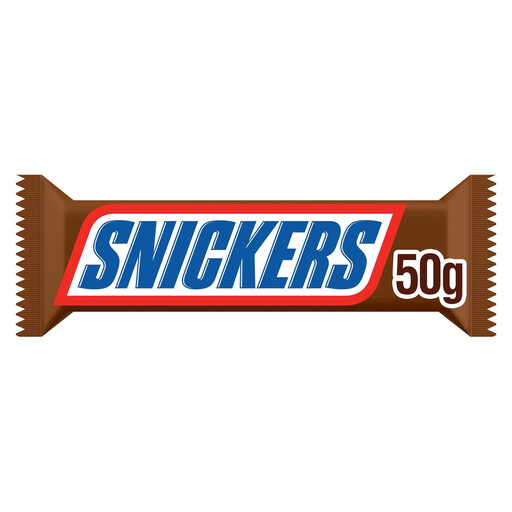 Image unavailable
A single snack if you’re after a recipe with peanuts and caramel. The bar weighs 50 g. Check the nutritional information on the packaging of the product you buy before comparing it with another bar.
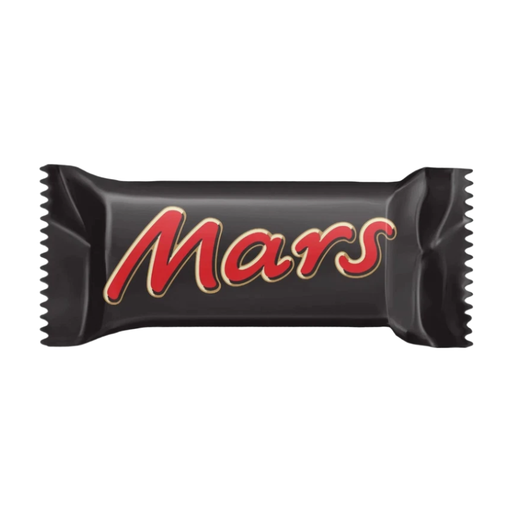 Image unavailable
A bar for a break if you prefer caramel. This one weighs 51 g. Check the portion size and sugars shown on the packaging before comparing it with a different format.
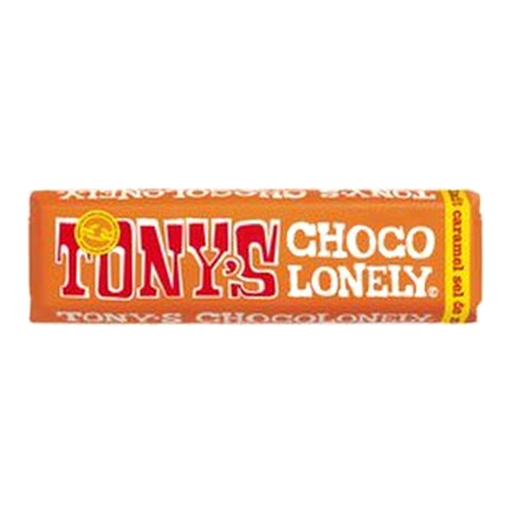 Image unavailable
A chocolatey break if you like the combination of caramel and sea salt. This bar weighs 47 g. Compare the values for the amount you’ll eat, not just per 100 g.
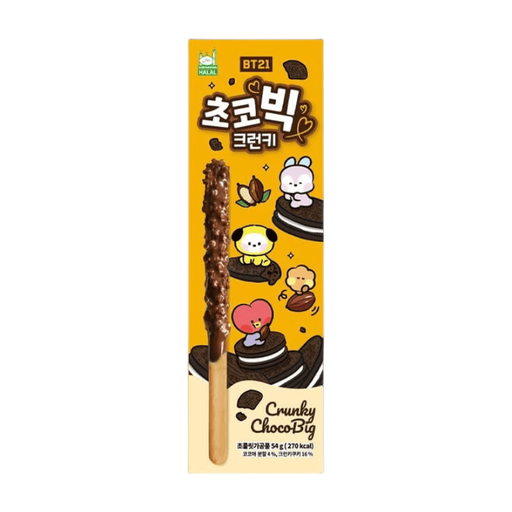 Image unavailable
Worth considering if you’re looking for a 54 g individual bar. If allergens or sugars are important to you, check the information on the exact pack before deciding.
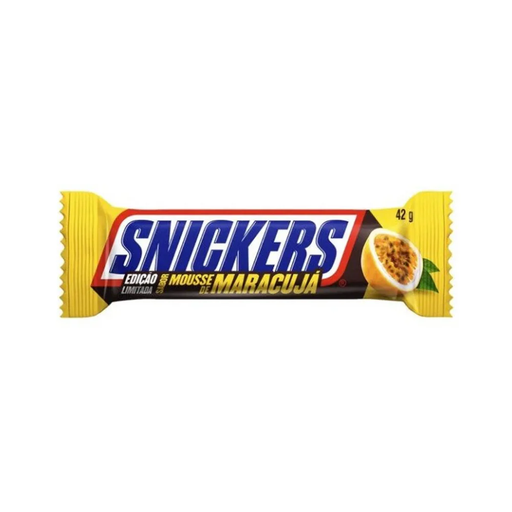 Image unavailable
A bar for a break if you’d like to try this variant instead of the classic SNICKERS recipe. It weighs 42 g. Check its ingredients list and values per portion on the packaging rather than relying on information for another model.
No. Don’t treat it as a meal in itself; enjoy it as a treat or snack instead. For a little hunger, Manger Bouger also suggests having a piece of fruit or a small handful of unsalted nuts instead of a chocolate bar.
First check the values per 100 g, then look at those for the amount you’ll eat. For example, Carrefour France gives 123 kcal for 25 g of TWIX, while the bar shown weighs 50 g: it’s important to distinguish the portion from the whole bar.
No, displaying it is voluntary in France, according to economie.gouv.fr. However, the DGCCRF says that, as a general rule, prepacked foods must carry a nutrition declaration. Compare the values and portion sizes even when no Nutri-Score is shown.
No. The levy described by the Official Bulletin of Public Finances applies to non-alcoholic drinks containing added sugars, not solid chocolate bars. To compare chocolate bars, check the sugars shown on their nutrition labels.
Check the ingredients list and any ‘may contain’ statements on the packaging of the exact product every time you buy it. Product listings from SNICKERS France, KitKat France and Carrefour France describe different recipes: the brand name alone isn’t enough to tell you whether a bar is suitable for you.