For a solo snack on the go
A pre-wrapped portion saves you having to break off a piece of a bar before you head out. Do check the product description, though: a chocolate bar, a filled bar and a chocolate biscuit are made to different recipes.


For a solo snack, choose a bar if you want a clearly defined portion; check that it’s individually wrapped if you need to take it with you. To serve a sweet treat alongside charcuterie, a sharing bar or a box of chocolate squares gives everyone more choice over portion sizes. Whichever you choose, compare the ingredients and nutritional information for the specific product, rather than assuming what it contains from its format alone.
A pre-wrapped portion saves you having to break off a piece of a bar before you head out. Do check the product description, though: a chocolate bar, a filled bar and a chocolate biscuit are made to different recipes.
If you’re serving chocolate separately from the charcuterie, a bar you can break into squares or a box of chocolates lets everyone choose how much they have. The number and variety of pieces matter more here than the total weight of the box.
If ingredients are a key factor in your choice, read the label on each product, paying particular attention to the ingredients, allergens and nutritional values per 100 g. Nutri-Score can provide extra information if it appears on the packaging, but, as France’s Ministry of the Economy points out, it isn’t compulsory in France.
First decide whether you’ll be taking the chocolate with you or sharing it, then compare products in your chosen format. For the relevant prepacked foods, the DGCCRF says that nutrition declarations are given per 100 g, making it easier to compare products on a like-for-like basis.
| What to consider | What to check | Who is it for? |
|---|---|---|
| Portion to take with you | Number of units and whether they’re individually wrapped. | If I want to pop a portion in my bag, I look for an individually wrapped piece so I don’t have to break off part of a bar; around 22% of consumers would put this convenience first. |
| Sharing with others | Number of squares or pieces, net weight and variety included. | To finish a charcuterie evening on a sweet note, I want everyone to be able to choose how much they have; this flexibility would be the priority for around 28% of consumers. |
| Nutritional comparison | Values per 100 g, particularly sugars, energy and saturated fat. | If I’m choosing between two recipes, I prefer to compare their values on the same basis before deciding on my portion; around 22% of consumers would put this comparison first. |
| Ingredients and allergens | Ingredients list and any allergen or ‘may contain’ statements on the exact product packaging. | Before serving guests, I need to know what’s in the product I’ve bought, especially if it’s filled or contains biscuit; around 28% of consumers would check this before anything else. |
France’s Ministry of the Economy explains that this logo is optional. Its absence therefore tells you nothing by itself about a chocolate’s nutritional values.
To compare two products, read their nutrition declarations per 100 g; check the Nutri-Score too if it’s shown.
A bar may also contain biscuit or a filling. You can’t tell what it’s made from just by its shape or because ‘chocolate’ appears in its name.
Check the product description and ingredients list before choosing it instead of a sharing bar or chocolate squares.
The proportion of cocoa helps distinguish between chocolates, but it doesn’t tell you their sugar or fat content on its own.
If the cocoa percentage matters for the flavour you’re looking for, check it alongside the nutrition table per 100 g for the products you’re considering.
The total weight alone doesn’t tell you how many portions there are. Two recipes from the same brand may also contain different ingredients and allergens.
Count the individual units or squares and check the label on the product you’ll be serving, including its storage instructions.
The EXCELLENCE range includes chocolate bars and boxes of tasting squares, worth considering if you’d like to serve chocolate in bite-sized pieces.
Kinder bars and multipacks may suit anyone who wants to count out portions to share.
The Carrefour catalogue features chocolate bars in various ranges and formats, making them worth considering if you plan to serve chocolate in pieces.
The EQUADOR and P’TIT DELI ranges are designed for different occasions: dark chocolate squares in one, mini bars in the other.
The retailer offers chocolate bars as well as chocolate biscuits in individual sachets.
These products include bars and chocolate in defined portions, as well as a biscuit in stick form. If you’re serving them at a get-together, check the number of units and how they’re packaged before planning how to serve them.
 Image unavailable
The 11 bars make it easy to plan several portions without breaking up a sharing bar. If each one needs to be taken away separately, check how they’re packaged. Also check the label for ingredients and allergens, including milk and soya, which are mentioned in the description.
 Image unavailable
The 35 g format is a clearly defined portion for a solo snack. The cocoa content shown on the pack is no substitute for comparing nutritional values. If you need the bar to be individually wrapped, check the packaging too, along with any warnings that it may contain traces of nuts, milk and soya.
 Image unavailable
The pack of 9 makes it easy to count out portions to share. Before serving, check the ingredients and allergens, including wheat, milk and soya, which are mentioned in the description. To compare sugars and saturated fat, refer to the values on the packaging.
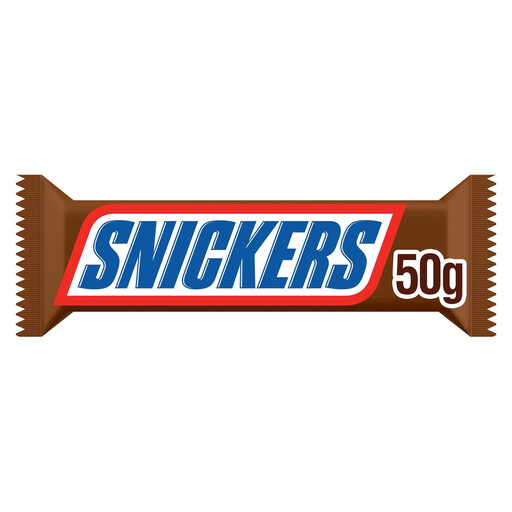 Image unavailable
This 50 g bar is a good choice if you want a single portion rather than a sharing bar. It contains peanuts, milk, soya and eggs. Check the label before offering it to someone else, including the warning that it may contain traces of other nuts.
 Image unavailable
These chocolate-coated biscuit sticks can be served as bite-sized treats, but they aren’t a substitute for chocolate squares if that’s what you’re after. The description mentions wheat, milk and soya, as well as possible traces of nuts, so check the pack label.
No. France’s Ministry of the Economy explains that Nutri-Score is optional, while a nutrition declaration is generally compulsory for the relevant prepacked foods. If the logo isn’t shown, check the nutrition table per 100 g.
No, not to solid chocolate. Article 1613 ter of the French General Tax Code, published on Légifrance, concerns a levy on non-alcoholic drinks in France. A ready-to-drink chocolate beverage is a different type of product and should be considered separately.
Check the ‘of which sugars’ line per 100 g on each nutrition declaration. This format, described by the DGCCRF, gives you a common basis for comparison. Then take into account how much you plan to serve or eat.
Read the ingredients list, allergens and any ‘may contain’ warnings for the exact product. A biscuit or filled bar may have a different composition from a chocolate bar, even if both contain chocolate.
Follow the best-before date and storage instructions on each pack. Don’t assume that the guidance for one bar or chocolate biscuit applies to every other product.