People in a hurry who want a few squares
A chocolate bar lets you break off a few pieces to enjoy alongside a breakfast you’ve already planned, without mistaking the chocolate for the whole meal.


If you want to break off a few squares for a quick breakfast, choose a chocolate bar. If you’d rather hand out individual pieces without breaking anything, go for a bag of bites or mini bars instead; these aren’t large chocolate bars. In either case, check the weight, ingredients, allergens and nutritional information for the specific product. A larger pack doesn’t, by itself, determine how much to serve.
A chocolate bar lets you break off a few pieces to enjoy alongside a breakfast you’ve already planned, without mistaking the chocolate for the whole meal.
A bar to break into pieces and a bag of individual bites are served differently. The net weight helps you work out how much to put out.
The nutritional information per 100 g and the ingredients list let you compare specific products. Allergen information is especially important when serving several people.
For a quick breakfast, start with how you plan to serve the chocolate: a few squares to break off, a bar to share or individual pieces to hand out. Then check the ingredients of the product you’ve chosen.
| Criteria | What to check | Who is it for ? |
|---|---|---|
| Sugars and nutritional information | Compare the “of which sugars” and fat figures per 100 g across comparable products. Check the Nutri-Score if one is shown. | I want to know what’s in a product before choosing between two recipes. Around 36% of consumers put this nutritional comparison at the heart of their decision. |
| Quick serving and portion size | Check whether the bar can be broken into squares, and decide how much to serve before the meal. | In the morning, I’d rather take a few pieces than open an assortment to share; around 29% of consumers prioritise this ease of serving above all else. |
| Sharing format | Distinguish between a single bar, a multipack of bars and a bag of individual pieces; check the net weight. | When I’m hosting several people, I need to know whether everyone will break off a piece of a bar or take an individual bite. This way of sharing comes first for around 21% of consumers. |
| Ingredients and allergens | Read the ingredients list and check the allergen and “may contain” information on the exact product. | If a guest needs to avoid an ingredient, the recipe matters more than the format. Around 14% of consumers prioritise this check. |
The cocoa percentage alone isn’t enough to work out the sugar content of a chocolate bar. In the product information provided by Lindt France, Excellence Noir 85% contains 15 g of sugars per 100 g, compared with 44 g for Lindor Lait fourré. These figures apply to these two recipes, not to all dark or milk chocolate.
According to the French Ministry of the Economy, the so-called “soft drinks tax” applies to sugary drinks, not chocolate bars.
To compare two chocolate bars, check their nutritional information instead, particularly the “of which sugars” figure per 100 g.
The French Ministry of the Economy explains that displaying Nutri-Score is voluntary. Its absence isn’t enough to judge a product, and the logo doesn’t provide information about every ingredient or allergen.
If it appears on the packaging, use it alongside the nutritional information and ingredients list.
A chocolate bar, even when sold in a multipack, needs to be broken into pieces; a bag contains individual pieces you can take separately. This affects how you serve it.
First decide whether you want squares to break off or individual pieces to hand out, then check the net weight of the format you choose.
A filled bar or one with inclusions may contain different ingredients and allergen information from another product in the same brand’s range.
Before serving it to several people, check the label on the exact product, including any “may contain” information.
These ranges provide useful points of comparison for recipes and formats; each observation applies to the specific product chosen.
The range includes milk chocolate bars, filled bars, bars with inclusions and varieties with a high cocoa content.
Nestlé France describes some KitKat bars as combining chocolate, a smooth centre and a crisp wafer.
Carrefour France lists Carrefour Classic’ dark chocolate in a pack of three 100 g bars.
E.Leclerc lists, among other products, TABLETTE D’OR milk chocolate in a pack of 3 × 100 g bars.
This selection includes bars you can break into pieces, as well as a bag of bites and mini bars for sharing. These are for a different occasion: they’re not large chocolate bars.
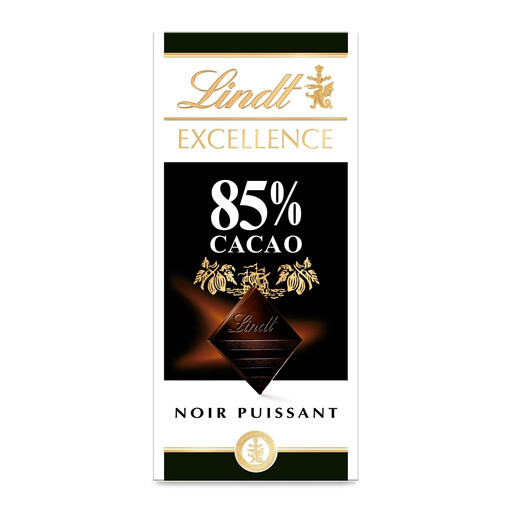 Image unavailable
A bar to consider if you’d like to break off a few squares and enjoy dark chocolate with 85% cocoa. Lindt France lists 15 g of sugars per 100 g for this product; check the packaging for the other nutritional values and allergen information.
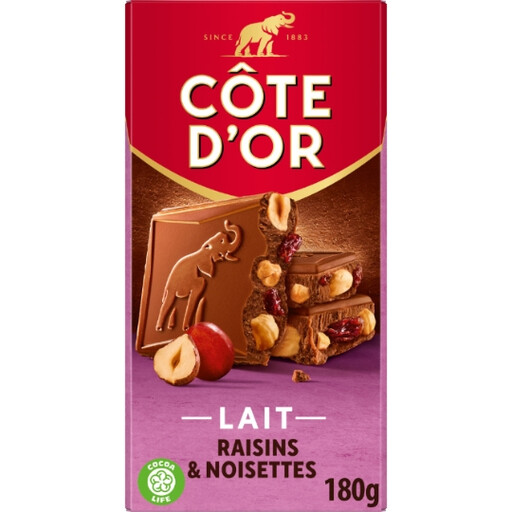 Image unavailable
This 180 g bar can be broken up for sharing on occasion. Raisins and hazelnuts are part of the variety shown; read the full ingredients list and allergen information before serving it.
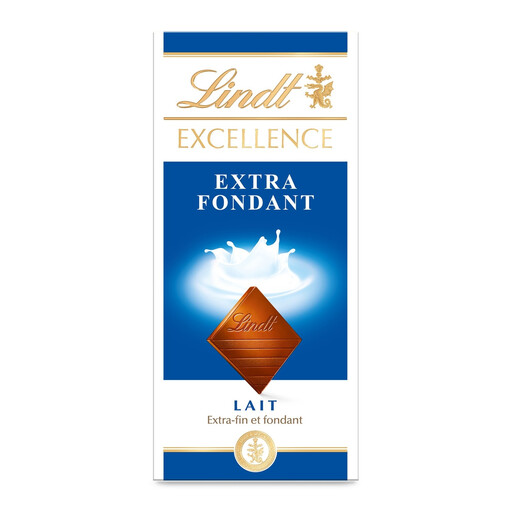 Image unavailable
The bar format lets you break off a few pieces to enjoy alongside a breakfast you’ve already prepared. This is a 100 g milk chocolate recipe; compare its nutritional information and ingredients with those of the other options you’re considering.
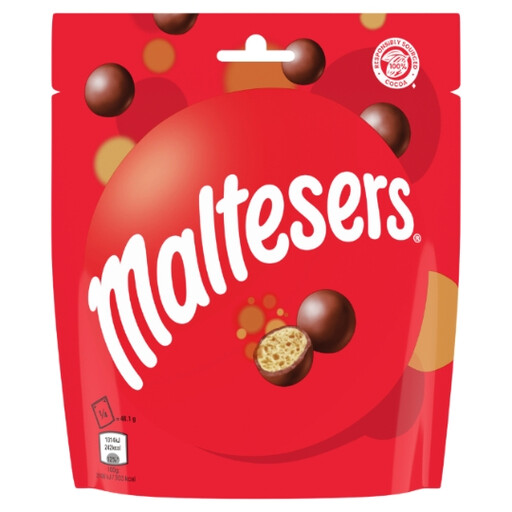 Image unavailable
These bites with a malt centre can be served without breaking a bar, making them a handy choice for sharing. Check the net weight on the packaging before deciding how much to put out, and check the ingredients if you need to take dietary restrictions into account.
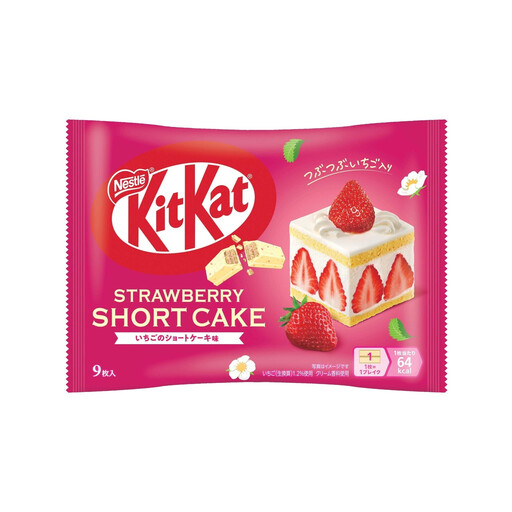 Image unavailable
The nine individual pieces listed make them a good choice for handing out separately rather than sharing a bar. The product name gives a total weight of 104,4 g; check the packaging for detailed nutritional information and allergens for this variety.
No. According to the French Ministry of the Economy, the so-called “soft drinks tax” applies to sugary drinks, not chocolate bars. To find out how much sugar a bar contains, check its nutritional information.
No. The French Ministry of the Economy explains that displaying Nutri-Score is voluntary in France. However, the DGCCRF states that prepacked foods must include nutritional information, subject to applicable exceptions. Compare the figures provided per 100 g.
Compare their nutritional information on the same per-100 g basis, then check their ingredients and allergens. The absence of Nutri-Score alone doesn’t tell you anything conclusive about the other bar’s recipe.
No. The cocoa percentage is no substitute for checking the figures for the specific product. Lindt France lists 15 g of sugars per 100 g for Excellence Noir 85% and 44 g per 100 g for Lindor Lait fourré; these two products don’t represent every dark and milk chocolate recipe.
Read the ingredients, declared allergens and any “may contain” information on the packaging of the exact product. Don’t assume it’s suitable based only on the brand name, type of chocolate or a recipe you looked at earlier.