People making a chocolate dessert
For a mousse, fondant or ganache, a bar labelled for baking lets you choose the type and quantity of chocolate specified in the recipe. Lindt France’s DESSERT range is an example of this format.


If you’re melting chocolate to add to a cake or ganache, choose a bar specifically sold for baking rather than an assortment of bite-sized chocolates. A box is a good choice when the gift is mainly intended to be enjoyed as it is. To cover both uses, you could pair it with a bar suited to the recipe. In either case, check the ingredients, allergens and quantity needed.
For a mousse, fondant or ganache, a bar labelled for baking lets you choose the type and quantity of chocolate specified in the recipe. Lindt France’s DESSERT range is an example of this format.
If the recipient is mainly going to open and share the gift, a box is a good fit. Before setting some aside for a recipe, check the ingredients of the different chocolates and whether they have any fillings.
To check allergens, sugars or cocoa content, look at the label for the exact product. The DGCCRF explains what to look for on pre-packed foods; according to Santé publique France, Nutri-Score is voluntary.
First decide whether the chocolate will mainly be used in baking or enjoyed as it is, then check the ingredients of the product you choose.
Choose this: when the recipient plans to use the chocolate in a recipe.
Bear in mind: its presentation doesn’t serve the same purpose as a gift box on its own.
Choose this: when the gift is mainly intended to be enjoyed and shared.
Bear in mind: filled or topped chocolates may not be suitable for the recipe you have in mind.
| What matters | What to check | Who is it for? |
|---|---|---|
| Use in a recipe | Look for the words ‘baking’ or ‘dessert’, and check the quantity required by the recipe. | When I’m making a fondant or ganache, I want to choose the chocolate to add without having to rely on the ingredients in an assortment. Around 50% of consumers say using chocolate in a recipe is their main priority. |
| Gift presentation | Type of assortment and net weight of the box. | If the gift is meant to be opened and shared as it is, its presentation matters more to me than using it for baking. For around 30% of consumers, giving chocolate that’s ready to enjoy is the priority. |
| Ingredients | Ingredients and allergens; sugars per 100 g in the nutritional information. | Before giving chocolate to someone when I need to know which ingredients they should avoid, I check the label on the exact product. Checking the ingredients is the top priority for around 20% of consumers. |
The DGCCRF distinguishes, among other things, between chocolate, filled chocolate and chocolate sweets. In an assortment, fillings and inclusions change what you’re adding to your mixture.
If the gift is intended for a recipe, choose a bar labelled for baking; save the box for enjoying as it is.
The cocoa percentage doesn’t tell you everything about a bar’s ingredients or nutritional values.
Compare the exact product: the type of chocolate, ingredients, allergens and sugars per 100 g should all factor into your choice.
According to Santé publique France, displaying a Nutri-Score is voluntary. Its absence isn’t enough to judge the ingredients in a chocolate product.
If it appears on the packaging, read it alongside the ingredients list and nutritional information, rather than instead of them.
Lindt France describes its DESSERT range as being made for baking. It includes 200 g bars of dark chocolate with 51% and 70% cocoa.
Carrefour France lists a 200 g Carrefour Original dark dessert chocolate bar, as well as baking chocolate from other brands.
Auchan France lists, among other products, a 200 g Auchan Bio Cultivons le Bon dark baking chocolate bar with 52% cocoa.
E.Leclerc lists Tablette d’Or baking chocolate bars in dark, milk and white chocolate, in sizes ranging from 170 g to 200 g.
These two assortments are suited to a gift that’s meant to be enjoyed. If the recipient mainly plans to make a dessert, check separately that they have chocolate suitable for their recipe.
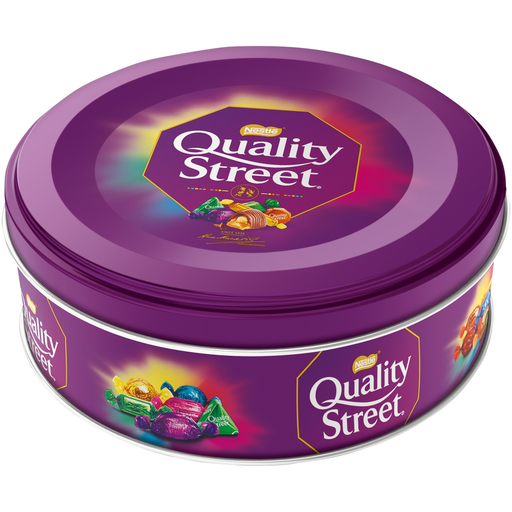 Image unavailable
A box to consider if you’re giving a selection of sweets to share, rather than chocolate for a recipe. If a recipe calls for melted chocolate, check the ingredients of the pieces you plan to use. If there’s an allergy, check the packaging too.
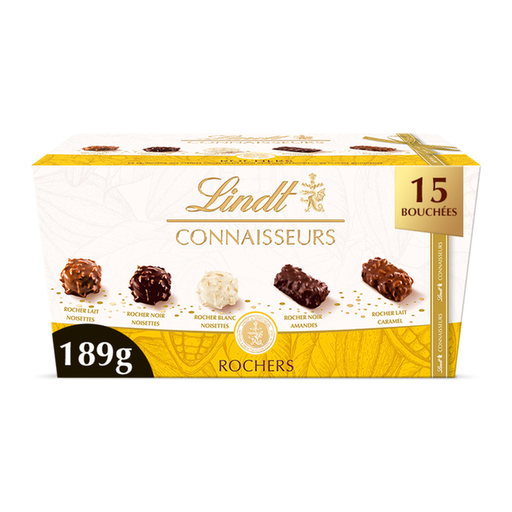 Image unavailable
A box to choose if the recipient mainly plans to enjoy the rochers as they are. Before using them in a dessert, check whether their ingredients suit the recipe, and read the packaging for allergen information.
No. The contribution outlined by the Ministry of the Economy in its information on the 2025 Social Security Financing Act applies to sugary drinks, not solid chocolate. To compare two chocolates, check their own ingredients and nutritional information.
No. Santé publique France says that displaying it is voluntary. For pre-packed foods, the DGCCRF outlines the rules covering, among other things, the ingredients list and nutrition declaration. Check this information even if a Nutri-Score is shown.
Read the ingredients list, highlighted allergens and any ‘may contain’ warnings on the packaging for the exact product. Don’t assume that all the chocolates in an assortment have the same ingredients.
Follow the instructions on the packaging and check its best-before date. For this particular product, the Auchan Bio Cultivons le Bon baking chocolate bar’s product page recommends storing it in a cool, dry place between 18 °C and 20 °C. Follow the instructions given for other bars.