What should you check first?
First decide whether the chocolate is mainly for your biscuit dough or as a gift. Then check the ingredients of the specific product, especially if you’re switching bars or using a piece from an assortment.
| What matters |
What to check |
Who is it for? |
| Chocolate for biscuits |
‘Dessert’ or ‘baking’ label and the type of chocolate specified in the recipe. |
If I’m making biscuits again, I prefer a bar intended for desserts rather than a mix of different chocolates, so I know what I’m using. This is the priority for around 42% of consumers. |
| Gifts and assortments |
Types of chocolate in the selection box, total weight and ingredients of the pieces you plan to bake with. |
If my main reason for buying is to give someone a range of flavours, a selection box fits the bill, even if I plan to use a separate bar for the dough. Around 33% of consumers put gifting and sharing first. |
| Ingredients and allergens |
Sugars per 100 g, ingredients list and allergens for the exact product. |
Before sharing the biscuits, I want to know what’s in the chocolate I’ve used, especially if there are allergens to avoid. Checking the ingredients comes first for around 25% of consumers. |
Chocolate bars available on Joybuy
These two bars are suitable if you’re buying chocolate to make biscuits; a gift box serves a different purpose. Choose according to your recipe and check the label on the exact product before baking.
 Image unavailable
POULAIN Extra Dark, 200 g bar
Worth considering if your biscuit recipe calls for a dark chocolate bar rather than assorted chocolates. The listed size is 200 g; check the packaging for sugars per 100 g, ingredients and allergens before use.
View on Joybuy
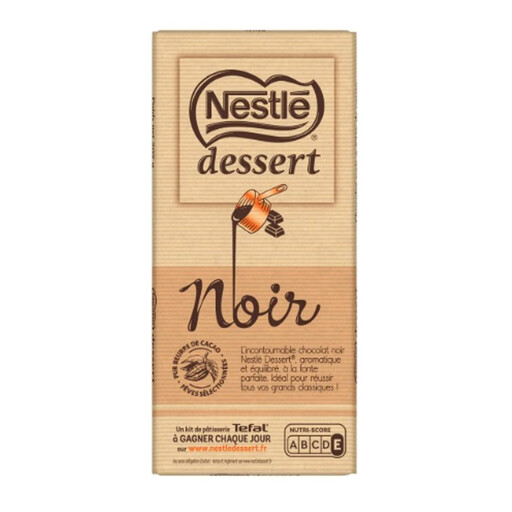 Image unavailable
Nestle Dark Dessert, 205 g bar
Consider this if you’re looking for a ‘dessert’ bar for a biscuit recipe. The Joybuy listing for this 205 g product includes cocoa mass and cocoa butter. Check the packaging for sugars and allergens, and make sure the type of chocolate suits your recipe.
View on Joybuy
Frequently asked questions
Can I melt chocolates from a selection box for my biscuits?
Yes, as long as you check the ingredients and amount of each type of chocolate you use, and make sure they’re suitable for your recipe. Lindt’s assortments may contain dark, milk and white chocolate, as well as praline and filled chocolates, so don’t assume they’re all interchangeable with a baking bar.
What should I check if the biscuits are for someone with an allergy?
Read the ingredients list and allergen information on the packaging of the exact chocolate product. The European Commission says allergens must be emphasised in the ingredients list of relevant prepacked foods; don’t assume they’re absent based on the type of chocolate.
Is the Nutri-Score compulsory on chocolate bars and selection boxes?
No. Santé publique France says producers display the Nutri-Score voluntarily. If it’s shown, use it alongside the nutritional information, including sugars per 100 g, rather than instead of the ingredients list.
Does the ‘soda tax’ affect which chocolate bar I choose?
According to the French Ministry of the Economy, the levy known as the ‘soda tax’ applies to sugary drinks; it isn’t a factor when choosing between the bars and selection boxes described here. For your recipe, compare the ingredients and sugar information on the products instead.
How should I store chocolate before making biscuits?
Follow the storage instructions and best-before date on the packaging. The DGCCRF says this information appears on the chocolate label, so check the bar or selection box you plan to use.


