Students looking for a handy snack
If you want to pop a bar in your bag for a break between lectures, check the weight of each bar and distinguish between single bars and multipacks.


When choosing a chocolate bar to take to uni, check the serving size, allergens and nutritional information first, rather than relying on the brand name or Nutri-Score alone. A bar can be a good snack, but it shouldn’t be treated as a complete lunch by itself : choose its size and recipe based on what else you plan to eat.
If you want to pop a bar in your bag for a break between lectures, check the weight of each bar and distinguish between single bars and multipacks.
To compare two recipes, start with the values per 100 g, then check the amount for the bar you’ll be eating. Sugars, fat and energy are best considered together, rather than drawing conclusions from a single figure.
Before choosing a recipe or format, check the ingredients and allergen information on the packaging of the exact product. Peanut, biscuit and wafer bars don’t necessarily have the same ingredients.
For a break at uni, first rule out recipes that don’t meet your needs, then compare the serving size and nutritional information.
| What to check | Look for | Who is it for ? |
|---|---|---|
| Nutritional information | Compare sugars, fat and energy per 100 g, then work out the values for the portion you’ll eat. | If sugar content matters to me, I want to compare recipes without confusing the values for 100 g with those for one bar. Around 38% of consumers prioritise this nutritional comparison. |
| Allergens | Read the ingredients and highlighted allergens on the exact product packaging ; also check any “may contain” statements that apply to you. | A recipe containing an ingredient I need to avoid isn’t an option for me, even if the format suits me. Around 31% of consumers put allergy or avoidance requirements first. |
| Individual format | Check the weight of one bar and the number of bars in the pack ; if you want to split it, look at the serving information. | Between lectures, I’m looking for a portion that’s easy to take with me, without mistaking a multipack for a single bar. This is the main priority for around 31% of consumers. |
According to the DGCCRF, Nutri-Score is voluntary : its absence alone isn’t enough to judge a product. For pre-packaged foods, the nutrition declaration remains the basis for comparison.
Compare the values per 100 g, then check them against the amount you plan to eat. Use Nutri-Score as an additional guide when it appears on the packaging.
Article 1613 ter of the French General Tax Code, published by Légifrance, applies to drinks and liquid preparations for drinks, not solid chocolate bars.
To choose a bar, check its sugar content in the nutritional information rather than linking it to this tax on drinks.
The SNICKERS, TWIX and KITKAT products featured by Carrefour France contain different allergens. A recipe name or photo isn’t enough to establish whether a product is suitable for someone avoiding certain ingredients.
Check the packaging of the exact product before choosing between the recipes that meet your requirements.
Carrefour France lists a 50 g peanut and caramel bar, sold individually.
The 50 g biscuit and caramel bar featured by Carrefour France also provides nutritional values for a 25 g serving.
Carrefour France lists a milk chocolate option sold in a pack of six 41.5 g bars.
The box of six chocolate cereal bars featured by Carrefour France is a different category from classic chocolate bars.
These bar-format products let you compare different recipes and individual weights for a break at uni. If you’re choosing what to take for lunch, also think about what else you’ll be eating.
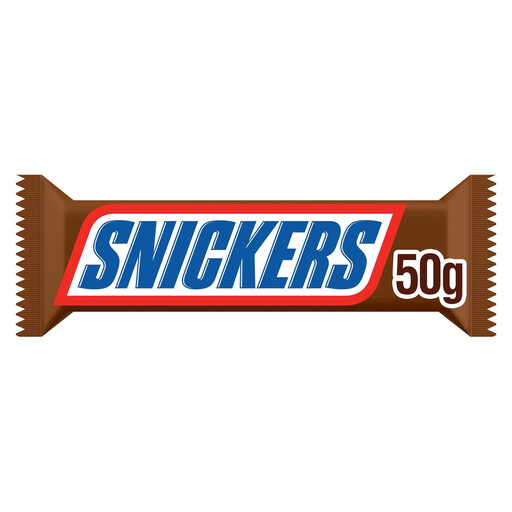 Image unavailable
A 50 g peanut and caramel bar for a quick break. This recipe contains peanuts, milk, soya and egg, among other ingredients : check the packaging if you need to avoid any of these allergens.
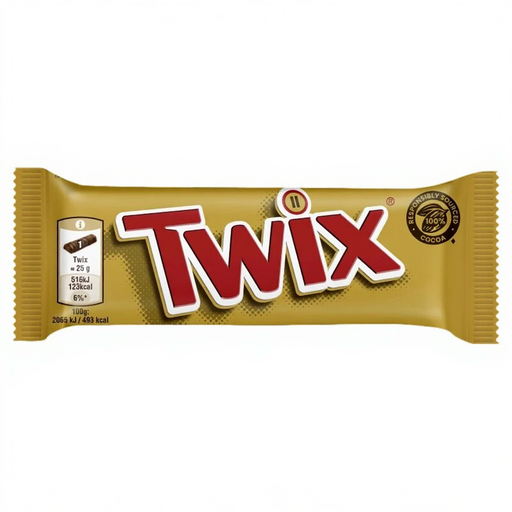 Image unavailable
A 50 g bar for a break when you fancy a combination of biscuit, caramel and milk chocolate. Check the ingredients of this product if wheat, milk or soya are a concern for you.
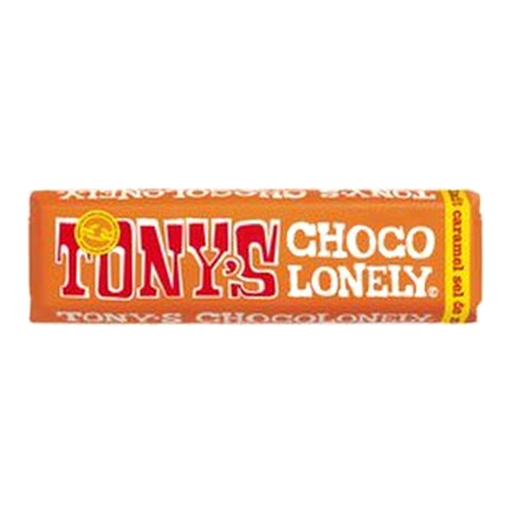 Image unavailable
A 47 g milk chocolate bar with caramel and sea salt for a quick break. If you’re choosing based on allergens, read the label on the exact product packaging before buying.
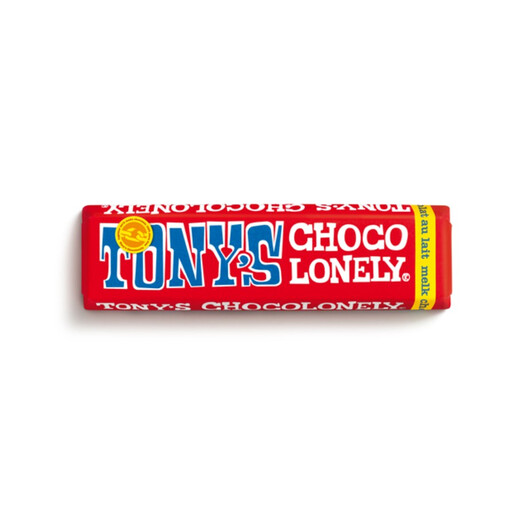 Image unavailable
A 50 g milk chocolate bar for a break, without the caramel and sea salt recipe of the other TONY'S product featured here. Check the ingredients and allergen information on the exact product packaging.
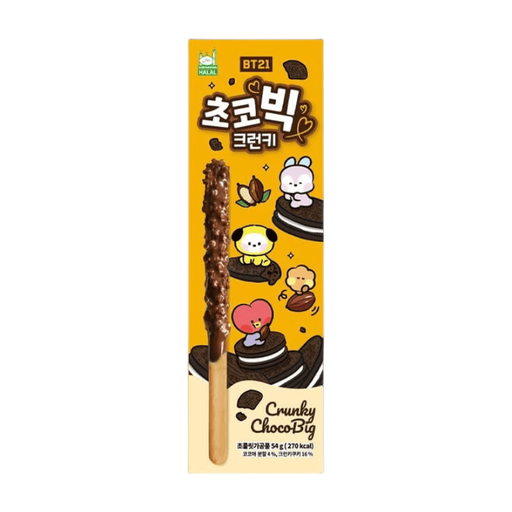 Image unavailable
A 54 g crunchy chocolate bar for a quick break. If you need to avoid an ingredient, check the ingredients list and allergens on the exact product packaging before choosing it.
No. Article 1613 ter of the French General Tax Code, published by Légifrance, applies to drinks and liquid preparations for drinks : a solid chocolate bar isn’t covered.
No. According to the DGCCRF, Nutri-Score is voluntary in France. However, nutrition declarations are compulsory for most pre-packaged foods : check the values per 100 g in particular before comparing portions.
Read the ingredients list and the highlighted allergens on the packaging of the exact product. Also check any “may contain” statements relating to ingredients you need to avoid.
Don’t treat a chocolate bar on its own as a complete lunch. If you take one with you at lunchtime, think about what else you’ll eat with it instead of choosing based only on its weight or recipe.