For a solo coffee break without opening a big slab
If you want to open just one item to enjoy with your coffee, check its weight and packaging. Even a small slab may need to be broken up.


To enjoy with a coffee on your own without opening a whole chocolate slab, choose a bar or bite-sized treat that’s confirmed to be individually wrapped. A slab is a good choice if you prefer to break off a few squares. Pick a recipe to suit your taste, then check how much you eat, the nutritional information and the allergens for that specific product.
If you want to open just one item to enjoy with your coffee, check its weight and packaging. Even a small slab may need to be broken up.
If you’re happy to break off a portion, you can choose a slab based on its stated cocoa percentage. Lindt France, for example, offers an Excellence product with 70% cocoa, while Carrefour France lists dark chocolate slabs with 85% and 90% cocoa.
If certain ingredients or allergens influence your choice, read the label for each recipe, whether it’s dark, milk or filled. The French Agency for Food, Environmental and Occupational Health & Safety points out that allergens must be highlighted in the ingredients list.
First decide whether your priority is opening a single item or choosing a recipe you can break into portions. Then compare the chocolate profile and the label to find the right option.
| Criterion | What to check | Who is it for? |
|---|---|---|
| Individually portioned | Weight per item, number of pieces and individual wrapping. | If I want to open just one piece with my coffee, the total pack weight isn’t enough. Around 33% of consumers put portioning first. |
| Cocoa profile | Stated cocoa percentage and the weight of the slab to be portioned. | To enjoy dark chocolate with my coffee, I prefer to choose the cocoa profile and break off a few squares myself. This is the top priority for around 25% of consumers. |
| Sweetness and texture | Milk chocolate, filling or inclusions; ingredients in the chosen product. | If I’m looking for a smooth texture or crunchy pieces, the recipe matters more to me than the cocoa intensity. Around 25% of consumers prioritise sweetness or texture above all else. |
| Ingredients | Sugars per 100 g, ingredients list and allergen information. | If I need to check an ingredient or allergen, I want to be able to read the exact product label before choosing. Ingredients are the top criterion for around 17% of consumers. |
A compact slab still needs to be broken up if you only want a few squares. Its total weight doesn’t tell you how much chocolate you’ll open for a coffee break.
If you want a separate portion, check the weight of each bar or bite-sized piece and whether they’re individually wrapped.
In France, the Nutri-Score is optional, according to the Ministry of the Economy. Whether it’s shown or not, you still need to check the portion size, ingredients and allergens.
If it’s displayed, use it as additional information. To compare the sugar content of two recipes, check their nutritional values per 100 g.
Dark chocolate isn’t necessarily free from milk or nuts. Carrefour France, for example, notes that a Côte d’Or Bio 85% dark chocolate slab may contain these allergens.
If you have an allergy or intolerance, check the ingredients and warnings for the exact product before buying.
The levy under Article 1613 ter of the French General Tax Code applies to drinks and liquid preparations for drinks covered by that legislation, not to solid chocolate slabs.
To check the sugar content of a slab, use its nutritional declaration rather than this tax rule.
These examples show the different recipes and formats to consider for coffee. Your final choice comes down to the specific product and its label.
Lindt France offers Excellence dark chocolate slabs with different cocoa percentages, including 70%, 85% and 90%, in a 100 g format.
Nestlé France describes recipes that include ingredients such as nuts, caramel, candied fruit and biscuits.
Carrefour France lists a 100 g Milka Tendre au Lait slab for those who prefer a milk chocolate recipe.
Carrefour France lists a 200 g L’Original Lait slab and an 85% Bio dark chocolate slab. The format and recipe suit different preferences.
Carrefour France lists a 100 g Bio dark chocolate slab stating a minimum cocoa content of 90%.
This selection includes chocolate bars and a Mikado format to consider for a coffee break. The multipacks state the weight per bar, but that alone doesn’t confirm whether each item is individually wrapped.
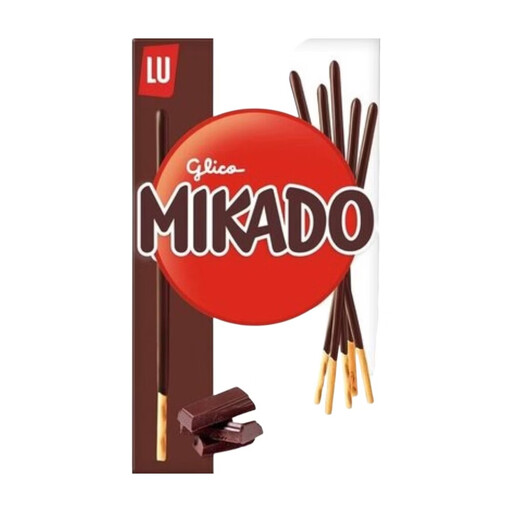 Image unavailable
Worth considering if you prefer the Dark Chocolate profile for your coffee break to a milk chocolate bar. The pack states 75 g. Check the weight per piece and the packaging if you want to open just one item.
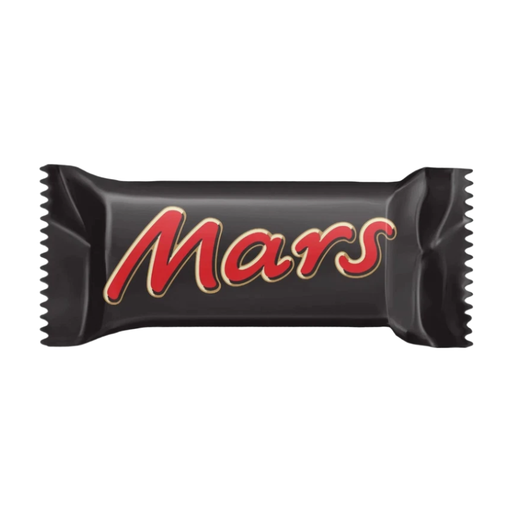 Image unavailable
Worth considering if you’d like a single milk chocolate and caramel bar with your coffee. The stated format is 51 g. Check the ingredients and nutritional values to decide whether this portion suits you.
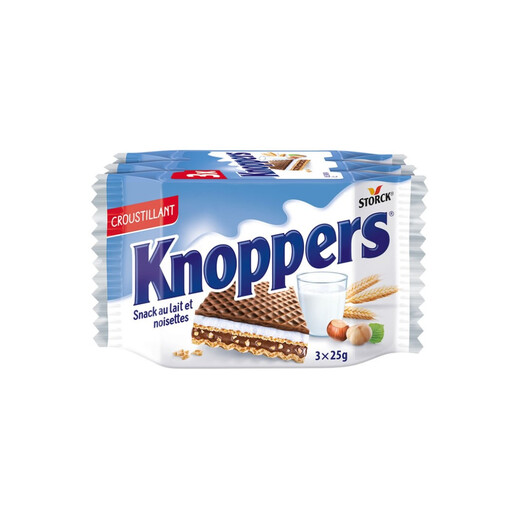 Image unavailable
Worth considering if you’re looking for a multipack that states the weight per bar for a coffee break. The pack contains three 25 g pieces. Check whether they’re individually wrapped before relying on them as separate portions.
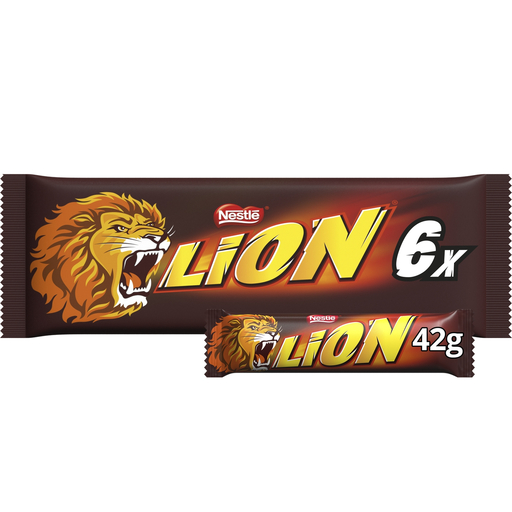 Image unavailable
Worth considering if you prefer a milk chocolate bar and want to know the weight of each one before choosing. The pack contains six 42 g bars. Check how they’re wrapped if you plan to open just one at a time.
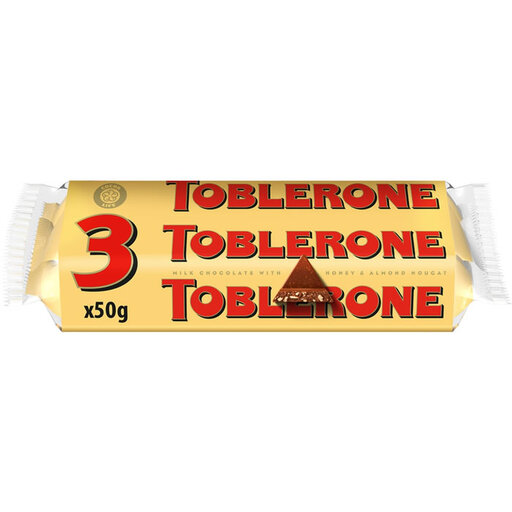 Image unavailable
Worth considering if you’d like milk chocolate bars to enjoy with your coffee. The pack contains three 50 g bars. Check how each one is wrapped if individually wrapped portions are important to you.
No. A solid slab isn’t covered by the levy under Article 1613 ter of the French General Tax Code, which applies to drinks and liquid preparations for drinks as defined by that legislation. To find out how much sugar a slab contains, check its nutritional declaration instead.
No. In France, the Nutri-Score is optional, according to the Ministry of the Economy. The nutritional declaration, which is generally required for prepacked foods, lets you compare the values shown per 100 g.
Read the ingredients list and warnings for the exact product. The words ‘dark chocolate’ alone don’t rule out milk or nuts. Also check any may-contain information if it relates to allergens you need to avoid.