Solo traveller without a cool bag
You want to take one bar with you without leaving an opened pack in your bag. Think first about where you can keep it away from the heat and direct sunlight.


For a single break during your holiday, choose a bar in a portion size that suits you. If you’re planning several breaks, consider multipacks of smaller bars and check how they’re packaged. Either way, protect your chocolate from the heat and compare the allergens and nutritional information for the recipes you’re considering.
You want to take one bar with you without leaving an opened pack in your bag. Think first about where you can keep it away from the heat and direct sunlight.
You’d like to have small portions for different moments during your stay. The 16-mini-bar formats listed by Auchan and E.Leclerc show why it’s worth checking the number of bars and how they’re packaged.
You compare ingredients, allergens and nutritional values before choosing. If a Nutri-Score appears on the packaging, use it to compare products in the same category, rather than relying on it as your only guide.
First decide whether you’re taking one portion or several, then check how you’ll keep the chocolate in hot weather.
| What to consider | What to check | Who is this for? |
|---|---|---|
| Travel and heat | Whether you can keep the bar cool, dry and out of the sun; plan how to protect it if you’re travelling in hot weather. | If I’m spending the day outdoors with a bar in my bag, I want to stop it softening and making a mess of my things; around 36% of consumers put keeping it away from the heat first. |
| Number of portions | Number of bars, the weight of each one and how the bars are actually packaged. | For several breaks during my stay, I’d rather be able to take one small bar at a time; around 29% of consumers prioritise portioning. |
| Ingredients | Ingredients, allergens and sugars per 100 g; Nutri-Score, if shown. | Before putting a bar in my bag, I need to know whether its recipe fits my dietary requirements; around 21% of consumers check the ingredients first. |
| Recipe and texture | Type of chocolate, filling and ingredients in the chosen variety. | Once I’ve checked my other requirements, I’m looking for a particular flavour or texture for my break; around 14% of consumers prioritise the recipe first. |
An individually wrapped bar isn’t protected from softening or melting. Lindt generally recommends storing chocolate between 15 °C and 18 °C.
Don’t leave bars in direct sunlight or in a hot car. If you can’t keep them cool, take an insulated pouch.
According to Santé publique France, displaying Nutri-Score is voluntary. If a score appears on the product, it doesn’t replace checking the ingredients, allergens and nutritional values.
Compare scores between products in the same category, and check the information on each pack too.
A smaller portion doesn’t change the product’s composition per 100 g. The product listings for Auchan and P’TIT DELI mini milk-filled bars each show 53 g of sugars per 100 g.
To compare two recipes, check the sugars per 100 g, then take into account the portion you plan to eat.
A hazelnut or milk chocolate bar, or one containing a biscuit, may include several ingredients you need to check. The name alone doesn’t tell you everything listed on the packaging.
Check the ingredients list and allergen information for the specific variety you’re buying.
Lindt France lists the 35 g Noccio Lait Noisettes bar among its individually sized options.
The range listed by Carrefour includes Kinder and Kinder Bueno bars, including multipacks.
Carrefour sells chocolate bars under its own brand, including a 10 × 21 g pack.
The P’TIT DELI listing describes 16 mini milk-filled chocolate bars, weighing 200 g in total.
Auchan lists a pack of 16 milk-filled chocolate bars, weighing 200 g in total.
This selection includes bars for an individual break and a multipack for spreading your breaks out. The Eat Natural bar combines fruit and nuts with dark chocolate; it isn’t a bar made entirely of chocolate.
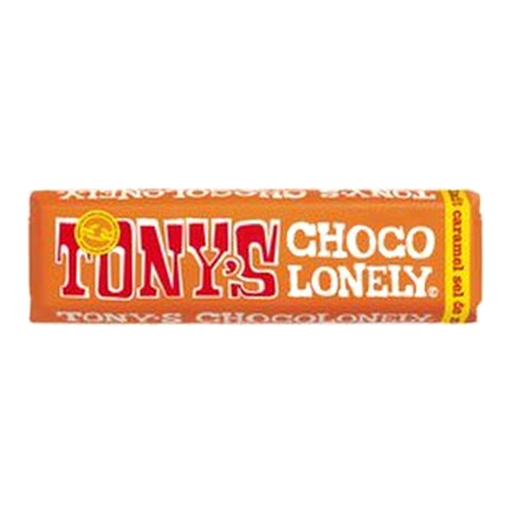 Image unavailable
For a single break if you’re after this flavour combination. Check the packaging for allergens, including milk and soya, and keep the bar away from the heat.
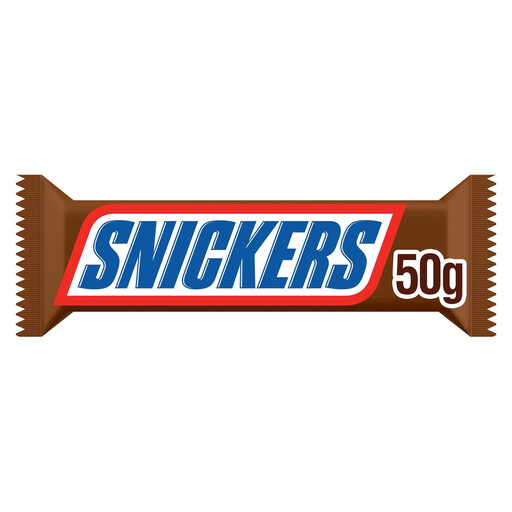 Image unavailable
An individual bar for a break if you’re after a recipe with peanuts and caramel. Check the packaging for information about peanuts and other allergens, and don’t leave it in the heat.
 Image unavailable
A handy option if you’re planning several small breaks instead of buying a single bar. Check how the pieces are packaged and read the nutritional information on the pack before taking them separately; keep the pack away from the heat.
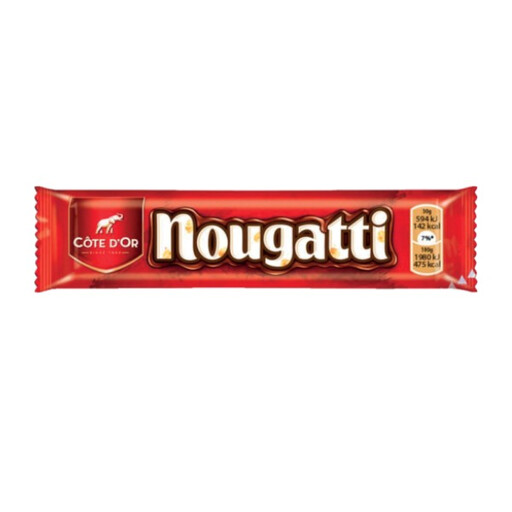 Image unavailable
A 30 g portion if you’re looking for a nougat and hazelnut bar for a break. Check the allergens and packaging on the pack, then protect the bar from the heat.
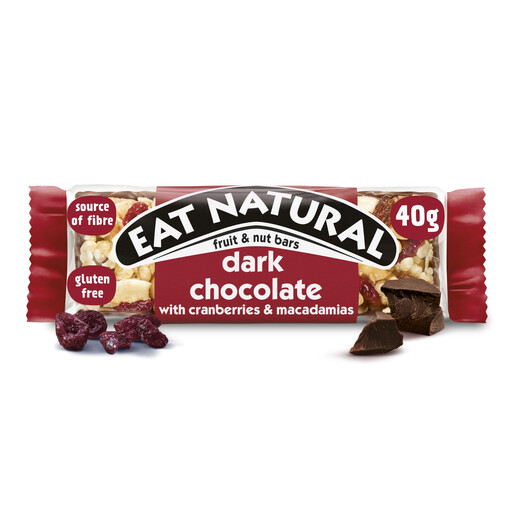 Image unavailable
For an individual break with a fruit and nut bar that contains dark chocolate, rather than a bar made entirely of chocolate. Check the packaging for nuts and other allergens; keep it cool and dry.
No. The levy described by France’s Official Bulletin of Public Finances applies to non-alcoholic drinks containing added sugars, not chocolate bars. To compare chocolate bars, check their nutritional information instead.
No. Santé publique France states that displaying Nutri-Score is voluntary. If it’s shown, use it to compare products in the same category, alongside their ingredients and nutritional values.
Keep it cool, dry and out of the sun as much as possible, and don’t leave it in a hot car. Lindt generally recommends storing chocolate between 15 °C and 18 °C. If you can’t keep it cool during your journey, use insulated protection.
Read the information for the variety you’re buying rather than guessing its ingredients from the name. Depending on the recipe, check for information about milk, soya, nuts, peanuts or cereals containing gluten. Regulation (EU) No 1169/2011 covers information on substances or products that cause allergies or intolerances.