People organising a shared afternoon tea
You’re planning to serve chocolate to several guests and want a format that’s easy to share, with one recipe or several flavours to suit their preferences.


For a shared afternoon tea, choose a bar to break up if everyone likes the same recipe; smaller bars make it easier to serve, while a selection box offers a choice of varieties. Before you choose, check the ingredients and allergens for each recipe, the texture, the net weight and the sugars listed in the nutritional information. Take into account any dietary requirements and any known difficulties with chewing among your guests.
You’re planning to serve chocolate to several guests and want a format that’s easy to share, with one recipe or several flavours to suit their preferences.
An allergy, an ingredient to avoid or an existing dietary requirement means you’ll need to check the ingredients and allergens for the product you buy, including the different varieties in a selection box.
You’d rather hand out small bars than open a large one. For example, Lindt France offers a 35 g EXCELLENCE Dark 70% mini bar; its size alone doesn’t tell you anything about its nutritional profile.
For this afternoon tea, first check your guests’ known requirements, then choose a format and recipe to suit them. You can then compare the products you’re considering by net weight and nutritional information.
| Criteria | What to check | Who is it for? |
|---|---|---|
| Dietary requirements and allergens | Ingredient list, declared allergens and, for a selection box, the contents of its different varieties. | If a guest needs to avoid an ingredient, what’s in the product matters more than the variety on offer; around 40% of consumers prioritise dietary compatibility and allergens. |
| Format and sharing | Net weight, number of units and how easy it is to share between guests. | Smaller units may be more practical if you want to serve everyone individually or avoid leaving an opened bar; around 30% of consumers prioritise format and sharing. |
| Flavour and texture | Type of chocolate, whether it contains crunchy pieces, and sugars per 100 g or per serving, where listed. | If the group prefers a mild recipe or crunchy pieces are a problem, choosing the right recipe becomes the priority; around 30% of consumers prioritise flavour and texture. |
According to the French Public Finances Official Bulletin, the contribution in question applies to non-alcoholic drinks containing added sugars, not chocolate bars. This confusion won’t help you compare recipes.
For a bar or selection box, check the ingredients and the sugars listed in the nutritional information instead.
The French DGCCRF describes Nutri-Score as a voluntary label: its absence doesn’t mean the chocolate fails to meet requirements. If it appears on the packaging, it doesn’t replace checking the ingredients and allergens.
Compare nutritional values on the same basis, particularly per 100 g, and check the exact recipe.
Whole hazelnuts or biscuit pieces change the texture and ingredients. A recipe some guests enjoy may not be suitable for someone with an allergy or known difficulty chewing.
Ask your guests about any restrictions and preferences before choosing a bar with inclusions or a selection box.
A mini bar can help you decide how much to serve, but its size alone isn’t enough to judge its ingredients.
Choose a size that makes serving easier, then check the nutritional information and ingredients for the product you’ve selected.
Lindt France offers the EXCELLENCE Dark 70% bar in a 100 g size, as well as a 35 g mini bar from the same range.
Milka’s chocolate bar range includes recipes with milk chocolate, whole hazelnuts and Oreo, according to the brand.
Carrefour France offers, among other products, a 200 g Côte d’Or Noir L’Original bar.
The retailer offers Carrefour Sélection bars, including a dark chocolate recipe described as containing 72% cocoa.
E.Leclerc offers dark chocolate bars in different recipes, including EQUADOR Dark 72% and TABLETTE D’OR with whole hazelnuts.
This selection includes small and large chocolate bars, as well as a boxed assortment to help you serve a shared afternoon tea. Compare the recipes with your guests’ requirements before choosing a format.
 Image unavailable
Worth considering if you’d prefer a small bar rather than breaking up a larger one. If you plan to hand out individual bars, check how they’re presented on the packaging, and check the allergens against your guests’ dietary requirements.
 Image unavailable
This pack may suit you if you’re planning to serve several milk chocolate bars at your afternoon tea or on different occasions. The product information lists milk, hazelnuts and soya, among other ingredients; check the recipe and allergens for any guests affected.
 Image unavailable
This bar is designed to be broken up and shared with a group who enjoy dark chocolate with 85% cocoa. Check that everyone likes it before buying, and check the allergens on the packaging of the product you choose.
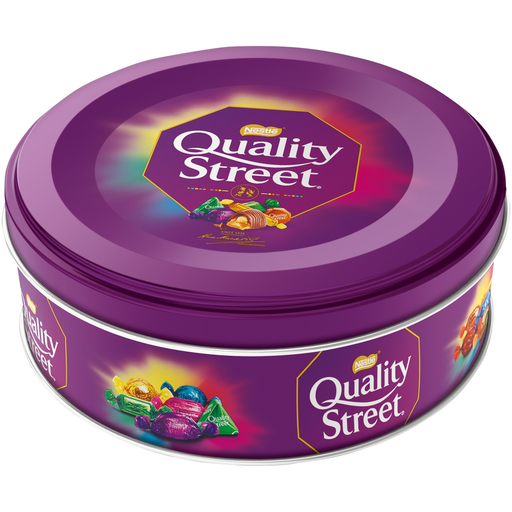 Image unavailable
The box offers a selection of chocolates and toffees rather than a single bar. Varieties and textures may differ; check the declared allergens, including milk and hazelnuts, and the best-before date on the box you buy.
 Image unavailable
This bar is designed to be broken up and shared if your guests enjoy dark chocolate with 70% cocoa. Its product information lists maltitol and includes a warning about excessive consumption; read the ingredients and instructions on the packaging before serving.
No. The French DGCCRF says Nutri-Score is voluntary, while nutrition declarations are required for the vast majority of pre-packed foods. If the logo isn’t there, check the nutritional information and ingredients rather than assuming the bar doesn’t meet requirements.
No, not under the contribution described by the French Public Finances Official Bulletin: it applies to non-alcoholic drinks containing added sugars. To compare chocolates, read the ingredients and check their sugar content.
Check the net weight, ingredients and allergens for the different varieties, then review the nutritional information and the date shown on the packaging. If a guest has a known dietary restriction, make sure the information lets you identify which chocolates they can eat.
No. The cocoa percentage describes the recipe, not whether it’s suitable for an individual. Check their preferences, allergies, the texture and any personal dietary requirements before serving it.
Wrap the bar after opening and follow the storage instructions on the packaging. Also check the best-before date for the product.