Someone looking for a little treat to enjoy on their own
A bar with its weight shown on the pack makes it easy to see the portion without opening a large block. However, the weight doesn’t replace checking the nutritional information and allergens.


For an individual snack, first choose a bar weight that suits the portion you want to serve, then compare the nutritional information per 100 g, ingredients and allergens. Individually wrapped bars make it easier to identify the portion, but the packaging alone tells you nothing about the ingredients. If the person has difficulty eating, is losing weight or is following a prescribed diet, discuss the snack with a healthcare professional.
A bar with its weight shown on the pack makes it easy to see the portion without opening a large block. However, the weight doesn’t replace checking the nutritional information and allergens.
Whether it’s plain milk chocolate, hazelnuts or wafer, check the exact recipe and make sure the texture is comfortable for the person to eat. Allergens also vary between products.
A reduced appetite, weight loss or difficulty chewing changes the question: you need to consider the whole snack, rather than simply choosing a bar. Manger Bouger recommends speaking to a doctor if someone over 75 is losing weight.
Start with the portion and the ingredients of the product you’ve chosen. Taste isn’t the only factor if allergens or a texture that’s difficult to chew are a concern.
| Priority | What to check | Who is it for? |
|---|---|---|
| Individual portion | Weight of each bar and number of bars in the pack; if it matters when serving, check whether each one is individually wrapped. | I want to serve an easy-to-identify portion without sharing a block. Of the consumers concerned, around 31% put a clearly defined portion at the heart of their choice. |
| Nutritional information | Compare the sugars and fat per 100 g, then check the figures per bar if they’re shown on the pack. | When I’m comparing bars of different weights, I want to distinguish the recipe’s composition from the portion being served. Checking the nutritional information is the main priority for around 31% of the consumers concerned. |
| Allergens and texture | Read the ingredients list and allergen information, and check whether the bar contains crunchy pieces. | If hazelnuts or wafer could be a problem, I need to be able to choose a recipe and texture that suit the person who’ll eat the bar. Around 23% of the consumers concerned prioritise this. |
| Recipe preference | Check whether it’s plain milk chocolate or a bar with a filling, caramel, hazelnuts or wafer; also check the format. | Once dietary requirements have been taken into account, I’m mainly looking for a flavour the person enjoys and a format that works for me. For around 15% of the consumers concerned, recipe or format preference comes first. |
The contribution described by the French Ministry of the Economy applies to sugary drinks, not solid chocolate bars. It therefore doesn’t tell you anything about the portion or sugar content of a bar.
To compare bars, check the weight and nutritional declaration for each product instead.
In France, the Ministry of the Economy says that displaying the Nutri-Score is voluntary. Its absence doesn’t tell you anything about a bar’s nutritional composition.
If it’s displayed, read it alongside the nutritional declaration. If not, compare the figures per 100 g and the ingredients directly.
Products containing milk, hazelnuts or wafer don’t all have the same ingredients. Their crunchy pieces may also be difficult for some people to eat.
Check the allergens, any ‘may contain’ warnings and the texture on the pack of the product you’re buying.
If an older person is losing weight or finding it difficult to eat, choosing a snack isn’t simply a matter of finding a treat. Manger Bouger recommends consulting a doctor if someone over 75 is losing weight.
Ask for advice that takes the person’s circumstances into account, rather than treating the choice of a bar as a substitute for assessing their diet.
Carrefour offers, among other products, a pack of ten 21 g milk chocolate bars.
Lindt’s range of bars includes 35 g NOCCIO Milk Hazelnut and 33 g NUXOR bars.
A Carrefour product listing features a 30 g Nestlé milk chocolate and puffed rice bar.
Carrefour offers a pack of five 31 g Milka milk chocolate and hazelnut bars.
A Carrefour product listing describes a 45 g Côte d’Or milk chocolate and hazelnut bar.
E.Leclerc offers a milk-filled chocolate biscuit bar, sold in packs of five with a total weight of 130 g.
These options include plain milk chocolate bars and bars with ingredients such as hazelnuts, peanuts or caramel. The stated weight ranges from 41.5 to 51 g per bar. Check the portion and recipe if you’re looking for a small individual snack.
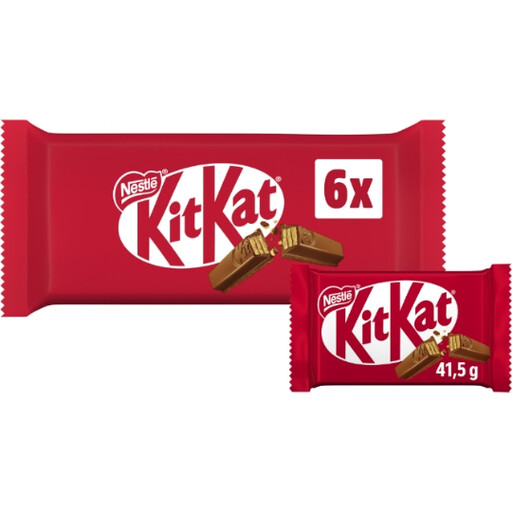 Image unavailable
Worth considering if you want to know the weight of each bar in a pack of six. Before serving, check the texture and allergens, and whether the bars are individually wrapped if that matters to you.
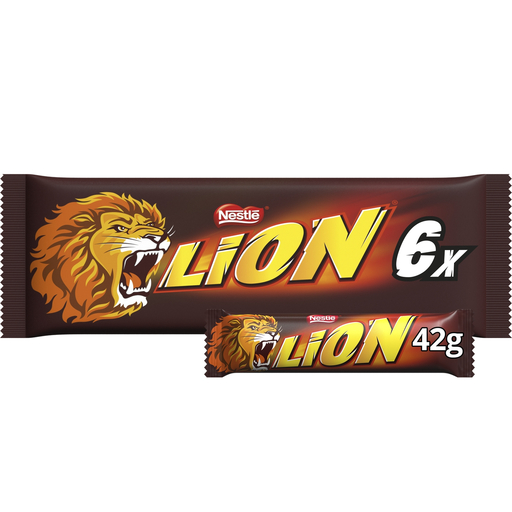 Image unavailable
The pack of six states that each bar weighs 42 g, making it easy to plan the snack. Before choosing this recipe, check the ingredients, texture and individual packaging on the pack.
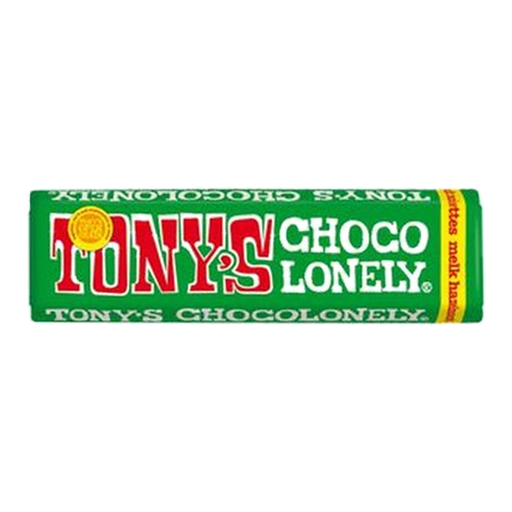 Image unavailable
This bar may suit someone who enjoys hazelnuts and is comfortable with the texture. It weighs 47 g; check the label for allergens and nutritional information.
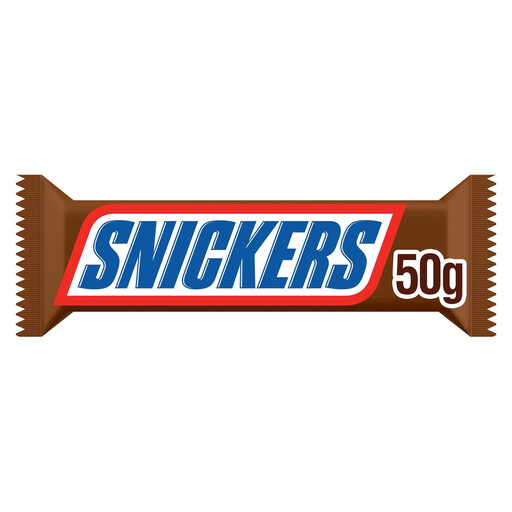 Image unavailable
Consider this option if the combination of ingredients and 50 g bar suit the snack you have in mind. The peanuts and texture mean you should check the packaging carefully and consider the person’s needs.
 Image unavailable
You can compare this 51 g individual bar with other formats by considering how much will actually be served. Check the ingredients list, allergens and texture of the product you buy.
No. The contribution described by the French Ministry of the Economy applies to sugary drinks, whereas a chocolate bar is a solid food. When choosing a bar, check its portion and nutritional labelling instead.
No. According to the French Ministry of the Economy, displaying it is voluntary. The DGCCRF does state, however, that prepacked foods generally need to show a nutritional declaration, subject to applicable exemptions. This is where you can find information such as sugar and fat content.
First compare their nutritional information per 100 g, then check the weight of each bar and the figures per portion where these are shown. This helps you distinguish the recipe’s composition from the amount served as an afternoon snack.
Read the ingredients and highlighted allergen information on the pack of the exact product, as well as any ‘may contain’ warnings. Also check that the crunchy pieces are suitable for the person who’ll eat the bar.
A bar alone can’t tell you whether a snack meets the needs of someone who is losing their appetite or weight. Manger Bouger advises people over 75 to speak to a doctor if they’re losing weight; in this situation, the snack should be considered as part of their overall diet.