For an afternoon get-together with older adults, choose a bag of bite-sized chocolates if you want to hand them out easily, or chocolate bars if you’d rather break the chocolate up yourself and offer a choice of recipes. Either way, plan how much to serve and check the ingredients, allergens and nutritional information to suit your guests’ needs. A large pack or a displayed Nutri-Score alone isn’t enough to establish whether a product is suitable for everyone.
Who are these formats for?
Hosts who take individual needs into account
If any guests follow dietary guidance or have an allergy, start with their needs before choosing a recipe. The DGCCRF says that nutritional information per 100 g makes it easier to compare products; the amount actually served also matters.
Hosts planning a small-group get-together
A bag of bite-sized chocolates makes it easy to serve them one at a time. With chocolate bars, you can decide how much to share and offer a choice of recipes, but you’ll need to break them up before serving.
Shoppers comparing recipes and ingredients
To cater for different tastes without overlooking your guests’ needs, compare the ingredients lists of the products you’re considering. The DGCCRF says allergens in prepacked foods must be highlighted in the list; always check the label on the pack you buy.
What should you check before buying?
For your get-together, start with your guests’ needs, then decide how you’ll serve the chocolate and which recipe to choose. A bag of bite-sized chocolates and a chocolate bar suit different ways of sharing.
| Consideration |
What to check |
Shoppers concerned |
| Individual dietary needs |
Compare sugars and saturated fat per 100 g, then take the amount you plan to serve into account. |
If a guest follows dietary guidance, I want to choose according to their needs rather than the format alone. Around 42% of shoppers would prioritise this kind of individual consideration. |
| Ease of sharing |
Check the net weight and choose between bite-sized chocolates to hand out and a bar to break up. |
When serving several people during a conversation, I prefer a format that’s easy to hand round. Around 33% of shoppers would make ease of serving their priority. |
| Recipe and allergens |
Read the ingredients list, highlighted allergens and any ‘may contain’ statements. |
When tastes differ and certain ingredients may be a problem, I look for a recipe the group can enjoy. Around 25% of shoppers would put choosing the recipe and checking allergens first. |
In France, the DGCCRF says that the nutritional declaration for applicable prepacked foods is given per 100 g or 100 ml to make comparisons easier. Read the ingredients list too: neither the cocoa percentage nor the pack weight alone tells you what the chocolate contains.
Mistakes to avoid
-
Applying the ‘soda tax’ to solid chocolate
In France, the charges outlined by the Directorate General of Public Finances apply to non-alcoholic drinks, not solid chocolate bars or bags. So this tax won’t help you choose between the two formats.
To compare chocolates, check the sugars listed in their nutritional declaration per 100 g instead.
-
Treating Nutri-Score as a mandatory label
The DGCCRF describes Nutri-Score as a voluntary label. Its absence alone doesn’t tell you what a chocolate contains.
If it appears, use it as an additional guide and check the product’s nutritional information and ingredients.
-
Assuming a large bag will suit every guest
The format makes it easier to hand out, but it doesn’t determine the right amount for each person or whether the product is suitable for someone with an allergy. Lindt France describes its 1 kg LINDOR Milk bag as a product to share; you should still read the label.
Ask about your guests’ needs before buying, decide how much to serve and keep the packaging handy during your get-together.
Brands to know for these formats
Lindt
Lindt France offers a range of 1 kg LINDOR bags, including a Milk version described as a format to share.
- The product listing for the 1 kg LINDOR Milk bag gives its weight, ingredients and nutritional information.
- The format in this range doesn’t mean you can assume a recipe will suit every guest’s dietary needs.
Carrefour
Carrefour France’s catalogue features Carrefour Bio chocolate bars in several recipes, including 100 g and 200 g dark chocolate bars.
- These formats let you consider bars that can be broken up and compare the recipes available.
- These chocolate bar listings don’t tell you about the ingredients or allergens in a bag of bite-sized chocolates: check each product separately.
Chocolates available on Joybuy
This selection includes a bag of bite-sized chocolates to hand out, as well as chocolate bars and smaller formats to break up. For your get-together, decide how you’ll serve the chocolate first, then check the label on the product you’ll actually be serving.
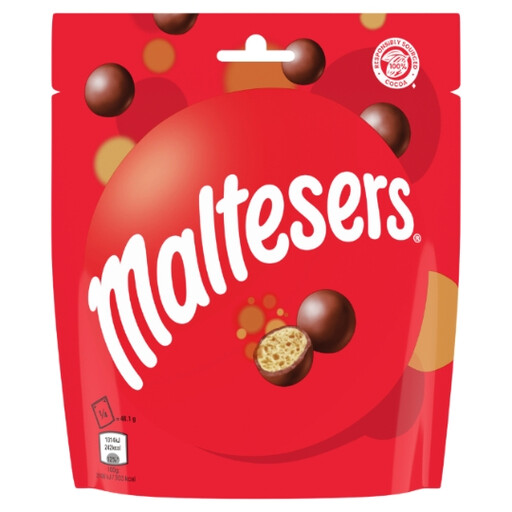 Image unavailable
MALTESERS, bag of milk chocolates with a malt centre
The bag format is a good choice if you’d like to hand out bite-sized chocolates rather than break up a bar. Check the net weight on the packaging to plan how much to serve, and check the ingredients to suit your guests’ needs.
View on Joybuy
 Image unavailable
POULAIN Fine Dark Chocolate Bar 70%, 100 g
This 100 g dark chocolate bar lets you decide how much to serve. If the ingredients matter to a guest, check the label for maltitol in particular and take their dietary guidance into account.
View on Joybuy
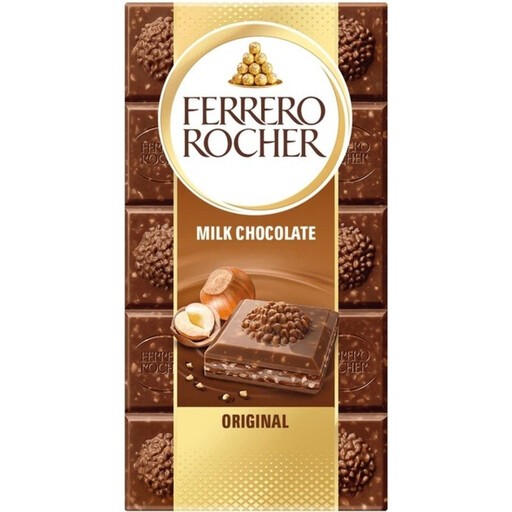 Image unavailable
Ferrero Rocher Original, 90 g chocolate bar
This 90 g bar lets you decide how much to serve. Before offering it to the group, check the ingredients list and allergen statements on the pack you buy; you’ll need to break up the bar to share it.
View on Joybuy
 Image unavailable
CARRE SUISSE, organic dark chocolate with lemon and green pepper, 100 g
This 100 g bar can be broken up to suit the number of guests. Its lemon and green pepper recipe is worth choosing with the group’s tastes in mind; also check the ingredients and allergen statements on the packaging.
View on Joybuy
 Image unavailable
LINDT Excellence 70%, 35 g mini bar
This 35 g format is a small chocolate bar rather than a large bag to hand out. If several people will be having some, plan how you’ll serve it and check the ingredients on each pack you buy.
View on Joybuy
Frequently asked questions
Does France’s ‘soda tax’ apply to chocolate bars and bags?
No, not when it comes to solid chocolate. The Directorate General of Public Finances describes charges on non-alcoholic drinks; to choose between these chocolates, compare the sugars declared per 100 g instead.
Is Nutri-Score mandatory on chocolate sold in France?
No. The DGCCRF says Nutri-Score is voluntary, whereas a nutritional declaration is required for most prepacked foods. If the logo isn’t shown, check the values per 100 g and the ingredients list.
What should I check if a guest has diabetes?
Take that person’s own dietary guidance into account rather than choosing based solely on the format or a claim on the front of the pack. The French National Health Insurance Fund recommends checking the nutritional information per 100 g and relating it to the amount actually eaten.
How can I check allergens for a group get-together?
Read the label on the exact pack before serving and keep it available to your guests. The DGCCRF says allergens must be highlighted in the ingredients list on prepacked products; also check for any ‘may contain’ statements and take account of the needs each person has mentioned.


