What should you look at first?
First, decide whether the chocolate is for your own coffee break or to share. Then check the nutritional information and ingredients for the format you’ve chosen.
| What to consider |
What to check |
Who is it for? |
| Format and sharing |
A bar divided into squares or an assortment of individual treats; net quantity and varieties available. |
For my coffee break, I want to be able to break off a square; when I have guests, I’d rather offer a selection of treats. Around 37% of shoppers say the format is the main factor in their decision. |
| Sugars and labelling |
Sugars per 100 g in the nutritional information, then the amount you’ll actually eat. |
If I’m comparing two chocolates for regular coffee breaks, the cocoa content alone won’t tell me how much sugar they contain. Reading the nutritional information comes first for around 36% of shoppers. |
| Ingredients and allergens |
Ingredients list, highlighted allergens and ‘may contain’ warnings; details for each variety in an assortment. |
Before giving a box to someone who needs to avoid certain ingredients, I need to know what’s in each treat. Checking allergens is the top priority for around 27% of shoppers. |
Brands to know
These brands offer formats worth comparing for a personal coffee break or as a gift. Make your choice based on the individual recipe.
Lindt
According to the Lindt France catalogue, its range includes dark chocolate bars as well as gift boxes and assortments.
- Makes it easy to compare a bar for your coffee break with an assortment for sharing.
- For a gift box, check the ingredients for each recipe if any allergens need to be avoided.
Milka
Its chocolate bar range includes milk chocolate recipes and bars with added ingredients.
- A choice of recipes and bar formats makes it easy to find the kind of coffee-break treat you want.
- For a specific product, check the ingredients and allergen information on the packaging.
Nestlé
Its listed chocolate bar range includes milk, dark and praline recipes.
- The recipe you choose can suit a coffee break or a different use, such as cooking.
- Ingredients vary by bar, particularly when it contains nuts.
Côte d’Or
Its chocolate bars include dark, milk and hazelnut recipes.
- Some products state their cocoa content, making it easier to find the recipe you’re looking for.
- The cocoa percentage doesn’t replace checking the sugars or allergen information.
Carrefour
Its own-brand range includes bars in different recipes and pack sizes.
- The pack size and label help you compare bars intended for different uses.
- A dark chocolate bar may still carry a ‘may contain milk or nuts’ warning.
E.Leclerc / Marque Repère
The E.Leclerc catalogue includes EQUADOR dark chocolate bars and Tablette d’Or recipes.
- The stated cocoa content and pack sizes help you tell the products apart.
- Check the ingredients for the bar you choose: information for one recipe doesn’t apply to the whole range.
Chocolate bars and assortments on Joybuy
For a personal coffee break, these options include dark and milk chocolate bars, as well as bars with hazelnuts. The two assortments are better suited to giving or sharing; the Quality Street tin also contains toffees.
 Image unavailable
Lindt Excellence 85% Cocoa Dark Chocolate, 100 g
A bar you can break into squares to enjoy with a coffee, made with dark chocolate. Before choosing, check the sugars per 100 g and the allergen information on the packaging.
View on Joybuy
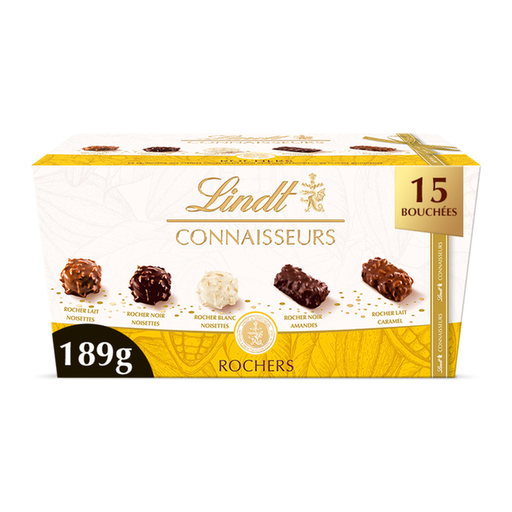 Image unavailable
Lindt Connoisseurs Assorted Rochers, 189 g
A gift box of assorted treats to give or share over coffee. As the varieties may have different ingredients, check their ingredients lists and allergen information if the recipient needs to avoid certain foods.
View on Joybuy
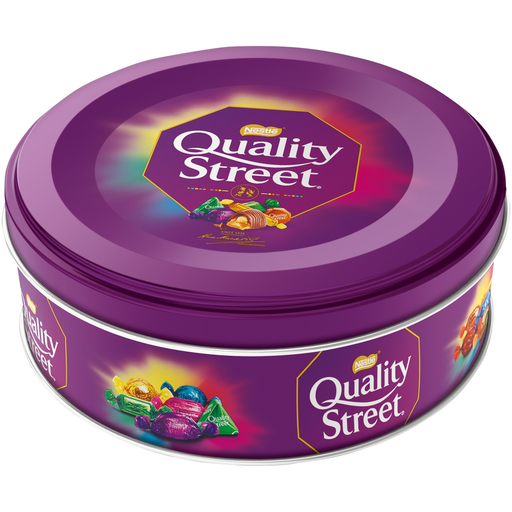 Image unavailable
Quality Street Assorted Chocolates and Toffees, 400 g
A sharing tin containing chocolates and toffees rather than chocolate bars. If you’re looking for a gift made up of chocolate only, bear this in mind and check the ingredients for each variety.
View on Joybuy
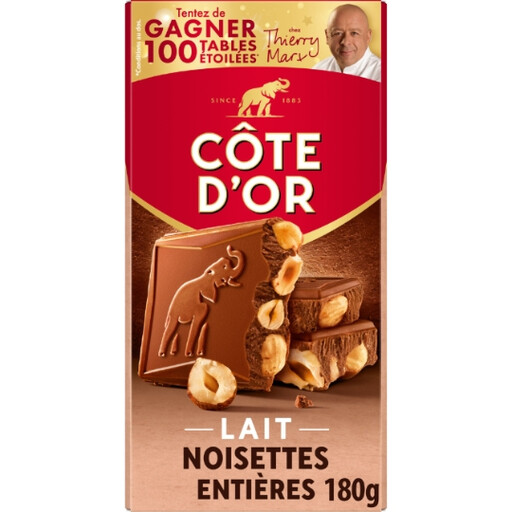 Image unavailable
Côte d’Or Milk Chocolate with Whole Hazelnuts, 180 g
A chocolate bar for anyone who likes whole hazelnuts with their milk chocolate during a coffee break. Hazelnuts are part of the recipe, so check the label and other allergen information before sharing.
View on Joybuy
 Image unavailable
Milka Alpine Milk, 3 × 100 g
Three milk chocolate bars for separate coffee breaks or to share. This is a multipack, not a box of assorted individual treats; if you’re giving it as a gift, check the ingredients list and allergen information.
View on Joybuy
Frequently asked questions
Does the ‘soda tax’ apply to chocolate bars and boxes of chocolates?
No. In France, the contribution described in the General Tax Code applies to non-alcoholic drinks, not solid chocolate. To compare the sugar content, check the nutritional information per 100 g.
Is the Nutri-Score compulsory on a chocolate bar?
No. The DGCCRF says that displaying the Nutri-Score is voluntary in France. However, pre-packed products must still provide the applicable nutritional information, subject to the exceptions set out in the regulations.
What should you check before giving a box of chocolates?
Check the net quantity, best-before date, ingredients and allergens. If the assortment is for someone who needs to avoid certain ingredients, check what’s in each variety too.
How can you compare two chocolate bars if only one displays a Nutri-Score?
First compare their nutritional information per 100 g, particularly sugars and fat, then check their ingredients lists and allergens. The Nutri-Score on one product can add to this information, but it doesn’t replace details that appear on both labels.
Does a higher cocoa percentage mean less sugar?
Not necessarily: the cocoa percentage alone doesn’t tell you how much sugar a product contains. To compare two dark chocolate bars for your coffee break, check the ‘of which sugars’ line in the nutritional information per 100 g for each one.


