What should you check before choosing?
Start by checking anything that could make the bar unsuitable, particularly its allergens and texture. Then look at the portion size and nutritional information.
| What to consider |
What to check |
Who is this for? |
| Allergens and texture |
Read the ingredients and allergen information for the variant you choose. Check its texture if chewing or swallowing is difficult. |
If certain pieces are difficult to chew, the ingredients and texture matter more than the craving for chocolate. Around 31% of consumers would make this their main concern. |
| Individual portion |
Check the weight of each bar, rather than the weight of the pack, and whether the bar can be broken into smaller pieces. |
If you want to offer a snack without having to cut up a large bar of chocolate, a clearly labelled individual portion is practical. Around 25% of consumers would prioritise a portion that is easy to manage. |
| Sugars and nutritional information |
Compare the figures per 100 g, then check the values for the amount being eaten. If the packaging displays a Nutri-Score, use it as an additional guide. |
If you need to take an individual diet into account, you’ll want to know what the portion actually served contains. Around 25% of consumers would prioritise checking sugars and nutritional values. |
| Loss of appetite |
If the person is eating significantly less or losing weight, speak to their healthcare professional rather than relying on confectionery to make up for missed meals. |
When it becomes difficult to finish meals, finding a snack they’ll eat does not, by itself, resolve concerns about their nutritional intake. Around 19% of consumers would put this need first. |
Joybuy products with clearly stated portions
These three chocolate bars and this small bar of chocolate each have a stated weight. For an older person’s snack, check the recipe and texture of each product too: weight alone doesn’t determine whether it’s suitable.
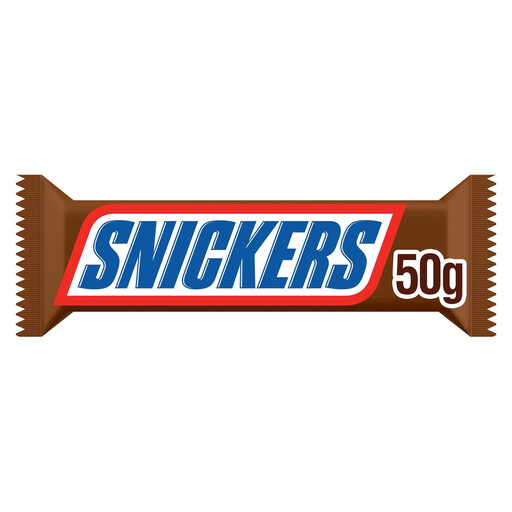 Image unavailable
SNICKERS Peanut Caramel, 50 g
A 50 g bar for an individual snack with a clearly defined portion. Its recipe combines peanuts, caramel and nougat. It contains peanuts, milk, soya and egg, and may contain tree nuts. Its crunchy texture is worth considering if chewing is difficult.
View on Joybuy
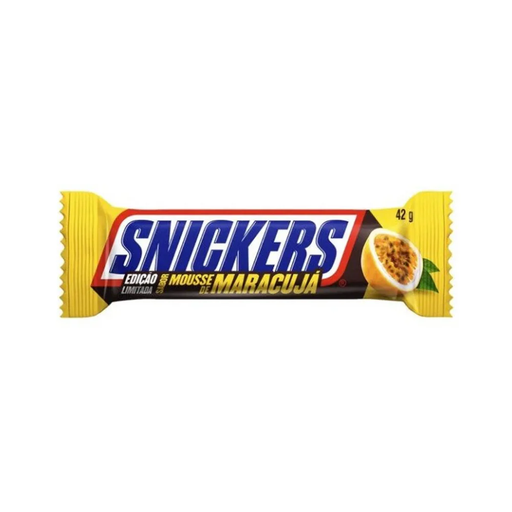 Image unavailable
Snickers Passion Fruit, 42 g
This 42 g variant makes the portion weight easy to identify. According to its product information, it contains peanuts, milk, soya, egg and gluten, among other ingredients. Check the packaging and consider its crunchy texture if chewing is difficult. To compare its energy content, refer to the label: the kJ and kcal values given per 100 g do not match.
View on Joybuy
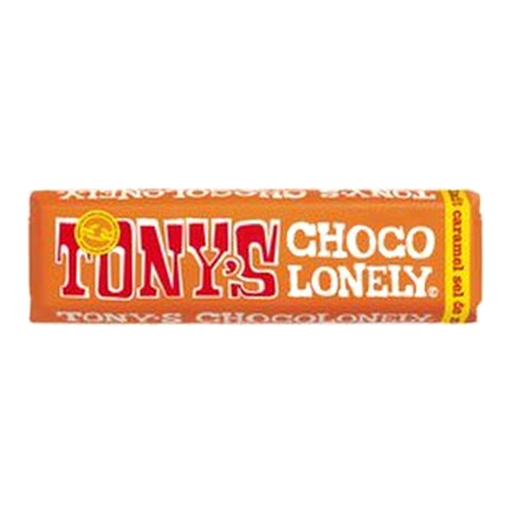 Image unavailable
TONY'S Caramel Sea Salt Milk Chocolate, 47 g
This 47 g milk chocolate bar is another option if you’re looking for a clearly stated weight rather than a conventional chocolate bar. The recipe contains pieces of caramel, and milk and soya are among the listed ingredients. Check the exact packaging and the amount being eaten before using nutritional values given per 100 g.
View on Joybuy
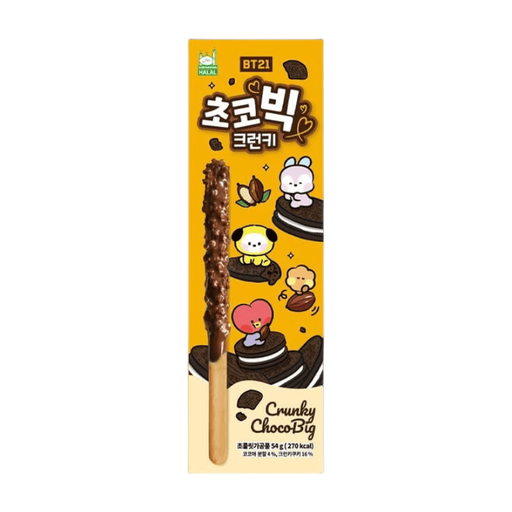 Image unavailable
BT21 Chocobig Crunky, 54 g
This 54 g bar combines milk chocolate with crunchy cereal. If chewing is difficult, check whether this texture is suitable. Also check the packaging for ingredients and allergens. To assess the portion on offer, distinguish the nutritional values per 100 g from those for the whole bar.
View on Joybuy
Frequently asked questions
Does the so-called ‘soda tax’ apply to chocolate bars?
No. The tax rates published in the Official Bulletin of Public Finances for this levy apply to non-alcoholic drinks containing added sugars, not solid chocolate bars. To compare these bars, check their nutritional values and portion weight instead.
Is a Nutri-Score compulsory on chocolate bars?
No. The Ministry of the Economy explains that Nutri-Score is optional in France. The DGCCRF says a nutrition declaration is generally required on pre-packed foods, so check it even when the logo isn’t shown.
How do you compare two bars of different weights?
First compare their nutritional values per 100 g on the same basis, then check the weight actually being eaten. Check the ingredients and allergens for each product separately: a smaller portion doesn’t change its ingredients.
Is a chocolate bar enough if an older person loses their appetite?
No. On its own, it isn’t a solution to eating fewer meals or losing weight. The National Information Portal for Older People and Their Relatives and the French National Health Insurance Fund stress the importance of recognising these situations. Speak to the healthcare professional looking after the person.
Does an organic cereal bar always contain less sugar?
No. The organic label doesn’t mean that a product is low in sugar. The Carrefour Bio cereal bar listed by Carrefour contains glucose syrup and sugar, among other ingredients. Check the nutritional information for the exact product to compare it.


