Who are these options for?

People in charge of the shared biscuit tin

You’re looking for a format that’s easy to put in the tin and share. Keep each bar’s packaging to hand: the ingredients and allergen information are still useful once the chocolate has been taken out of its wrapper.

People putting together a small chocolate gift

A bar can be part of a thoughtful gift, but a box of chocolates is a better fit if you want to give a ready-presented selection. Check exactly what’s inside, especially when it includes several recipes.

Groups who need to clarify dietary restrictions

When buying for several colleagues, don’t assume that “dark” means dairy-free or nut-free. Product information from Lindt France and Carrefour for some dark chocolate bars lists ingredients or possible traces that you should check for each specific product.

What should you check before buying?

First decide whether the chocolate is for a shared biscuit tin or a ready-to-give gift. Then compare the information for each specific recipe.

Priority What to check Who is this for?
Sharing and topping up Net weight, number of bars and how easy they are to break into portions. When the shared tin is topped up regularly, I want to be able to share the chocolate without mistaking a bar for a gift selection. Around 31 % of consumers prioritise this need for easy replenishment.
Sugars and cocoa Sugars per 100 g in the nutrition information and the cocoa percentage, where stated. When comparing several recipes, I’d rather check the stated sugar content than rely on the cocoa percentage alone. This is the top priority for around 31 % of consumers.
Allergens The ingredients list and any “may contain” warnings for the exact product. Before leaving chocolate out for colleagues, I need to know which recipes could be a problem for people with allergies. Checking allergens is a priority for around 23 % of consumers.
Gift presentation What the selection contains, its packaging and the information for each recipe. When giving chocolate as it is, I’m looking for a presentation that suits the occasion, not just something to fill the office biscuit tin. Around 15 % of consumers put this gift-related criterion first.

What mistakes should you avoid?

  • Assuming dark chocolate is allergen-free

    The recipe name doesn’t guarantee that a product is free from milk or nuts. Lindt France, for example, warns of possible traces on its product page for Excellence Dark 85 %, while Carrefour lists milk and soya in the Côte d’Or Noir L’Original recipe consulted.

    Keep the packaging near the shared tin and check the information on the product you receive before offering it to someone with an allergy.

  • Choosing based only on cocoa content or Nutri-Score

    The cocoa percentage alone doesn’t tell you the stated sugar content. As for Nutri-Score, E.Leclerc’s product page for Equador Dark 72 % says that the score shown on the packaging is based on the previous calculation method, which applied before April 2025.

    Compare sugars per 100 g, ingredients and allergens for each product. If a Nutri-Score is shown, take any accompanying information into account.

  • Confusing a bar for the shared tin with a gift box

    A bar intended for topping up the tin won’t necessarily have the selection or packaging you’re looking for in a gift.

    Decide whether you want to fill the office tin, add a bar to a gift or give a box of chocolates directly; then check the ingredients of the product you choose.

Brands to consider by recipe

Lindt

The Excellence range includes dark chocolate bars with stated cocoa percentages, making them easy to compare.

  • According to Lindt France, Excellence Dark 85 % contains at least 85 % cocoa and has 15 g of sugars per 100 g.
  • The product information for this bar warns of possible traces of milk, soya, almonds, hazelnuts, other nuts and sesame. Lindt France states that none of its products can be guaranteed to be completely free from nut allergens.

Milka

Its milk chocolate bars are an option if you’re looking for this type of chocolate for the office selection.

  • Check the milk chocolate recipe on its own merits rather than choosing it instead of a dark chocolate bar based on the brand alone.
  • For the 25 g Milka bar consulted, Carrefour lists milk, soya and hazelnuts, as well as possible traces of other nuts and wheat. Check the specific product you’re buying.

Nestlé

Carrefour stocks Nestlé milk, dark and praline bars, as well as bars for baking, so decide how you’ll use the chocolate before choosing a recipe.

  • The 205 g Nestlé Dessert Dark bar is worth considering if the bar’s weight matters when topping up the tin.
  • Joybuy France’s product information for this bar lists 46,4 g of sugars per 100 g and possible traces of milk and nuts. This information doesn’t apply to other Nestlé bars.

Côte d’Or

Noir L’Original is a 100 g dark chocolate bar to consider if you’re looking for this type of recipe.

  • The format and recipe name make it easy to identify the exact bar you want to compare.
  • Carrefour lists soya and skimmed milk in this product, with a warning about possible nuts: “dark” doesn’t mean “dairy-free”.

Carrefour

Its own-brand range includes multipacks of bars that are worth considering for a shared biscuit tin.

  • Carrefour’s Classic’ Dark multipack contains three 100 g bars.
  • The product information for this multipack warns of possible traces of nuts, milk and cereals containing gluten. Keep this information available when sharing.

E.Leclerc / Marque Repère

E.Leclerc’s range, including Equador, offers different pack sizes and cocoa percentages to compare.

  • The Equador Dark 72 % product information is for a 100 g bar: compare it with products in the same category and of a known weight.
  • E.Leclerc says that the Nutri-Score shown on the packaging for this product is based on the previous calculation method, which applied before April 2025. Check this information before comparing scores shown on different products.

Chocolate bars and a box of chocolates available on Joybuy

This selection includes bars to consider for the office biscuit tin and a boxed assortment that’s ready to give. In both cases, check the ingredients and allergen information for the product you receive before sharing the chocolate.
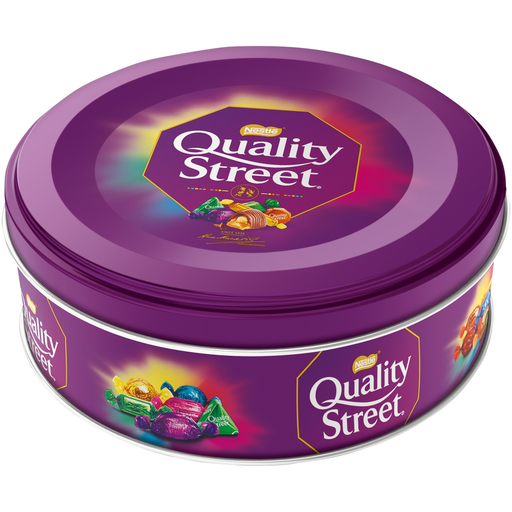
Quality Street box of chocolates and caramel sweets, 400 g

Quality Street, boxed chocolates and caramel sweets, 400 g

Worth considering if you’d like to give a boxed selection rather than a bar to top up the office tin. The title states that it’s a 400 g box; check the ingredients and allergens in the selection before sharing.

View on Joybuy
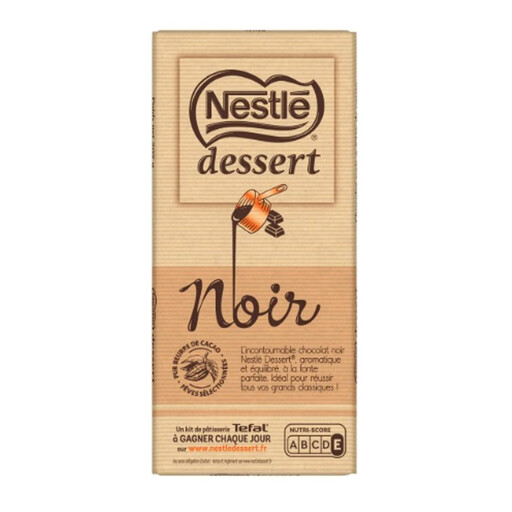
Nestlé Dessert dark chocolate bar, 205 g

Nestlé Dessert dark chocolate, 205 g

This 205 g bar is worth considering for the shared tin or for baking. Joybuy France’s product information for this bar lists 46,4 g of sugars per 100 g and possible traces of milk and nuts; check the packaging you receive.

View on Joybuy
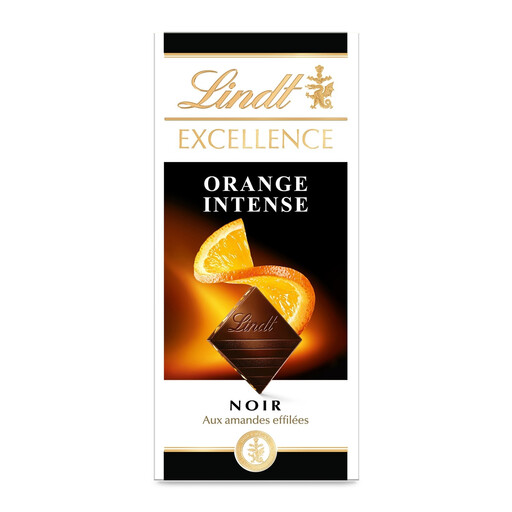
Lindt Excellence orange dark chocolate bar, 100 g

Lindt Excellence orange dark chocolate, 100 g

A flavoured bar to consider if the people using the shared tin are happy with an orange recipe. The title states that it’s 100 g; check the ingredients and allergens for this variant rather than relying on information for another Excellence bar.

View on Joybuy
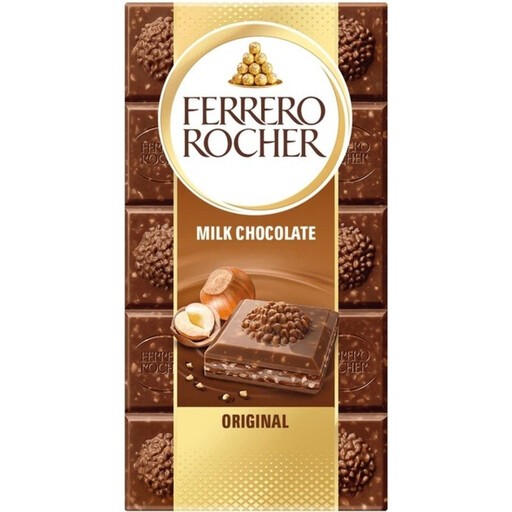
Ferrero Rocher Original chocolate bar, 90 g

Ferrero Rocher Original, 90 g bar

This 90 g bar can add variety to an office selection of chocolate bars. Before putting it out for everyone to enjoy, check the ingredients and allergen information for the variant you receive.

View on Joybuy

Lindt Excellence dark chocolate bar, 85% cocoa, 100 g

Lindt Excellence dark chocolate, 85 % cocoa, 100 g

Worth considering if you want to compare a 100 g dark chocolate bar with a high cocoa content against other recipes. Lindt France lists 15 g of sugars per 100 g for Excellence Dark 85 %. Before sharing, check the allergens on the exact packaging: Lindt France warns of possible traces for this product.

View on Joybuy

Frequently asked questions

Does the “soda tax” apply to chocolate bars in France?

No. The French Ministry of the Economy describes this levy as a tax on sugary drinks, not chocolate bars. To compare chocolate bars, check the “sugars” line in their nutrition information instead.

Does every chocolate bar have to display a Nutri-Score?

No, displaying a Nutri-Score on chocolate bars is not a general requirement. The European Commission distinguishes between mandatory food information and additional voluntary information. If a score is shown on the product, read it alongside the other nutrition values and any notes about which version it uses.

Is a dark chocolate bar necessarily suitable for someone with a milk or nut allergy?

No. According to the product information consulted, Lindt Excellence Dark 85 % carries a possible-traces warning, while Côte d’Or Noir L’Original contains skimmed milk and soya. Check the ingredients and warnings on the packaging of the exact bar before offering it to someone with an allergy.

What should you check before filling a biscuit tin with chocolate bars?

Check the weight of the bars and how easy they are to break into portions, then check the ingredients, allergens and sugars per 100 g for each recipe. Leave the packaging to hand so colleagues can check this information. For online purchases, the European Commission says that relevant mandatory food information must be available before you complete your purchase.