For a solo chocolate break
If you want to enjoy one piece without opening a large chocolate bar, distinguish between an individually wrapped bar, a mini bar and a multipack. The weight per piece helps you see what’s actually in the pack.


If you want a portion that’s already individually wrapped, choose a single bar or a mini bar. If you’d rather pick a flavour and break off a few squares, a standard chocolate bar is a good choice too. For a small Valentine’s Day gift, presentation may matter more than the format. Whatever you choose, check the weight, ingredients, allergens and nutritional information for the exact product.
If you want to enjoy one piece without opening a large chocolate bar, distinguish between an individually wrapped bar, a mini bar and a multipack. The weight per piece helps you see what’s actually in the pack.
The colour of the chocolate and its cocoa percentage are no substitute for reading the label. Compare the sugar content per 100 g, the ingredients and, if shown, the Nutri-Score.
An illustrated or personalised chocolate bar could make a lovely gift. Still, check the format you’ll receive and the chocolate’s label, especially if you know there are ingredients the recipient needs to avoid.
First decide whether you want an individually wrapped piece to take with you, a bar to break into squares or chocolate where the presentation is part of the gift. Then compare the exact products rather than relying on their category alone.
| What to consider | What to check | Who is this for? |
|---|---|---|
| Ingredients and sugars | Sugars per 100 g and the ingredients list; check the Nutri-Score only if it’s shown. | If I’m choosing between several recipes, I want to compare their labels on the same basis. Around 31% of consumers prioritise ingredients and sugars. |
| Individual portions | The weight per piece and the number of pieces, rather than just the product name. | If I want to enjoy one piece without keeping an opened bar, the packaging matters just as much as the chocolate I choose. Around 25% of consumers prioritise a ready-to-eat format. |
| Ingredients to avoid | Allergens listed in the ingredients and any ‘may contain’ warnings on the exact product’s packaging. | If I have an allergy, or I’m buying for someone who does, I need to check the exact recipe before choosing. Around 25% of consumers put this check first. |
| Gift presentation | The type of chocolate bar or box and, if needed, the personalisation options. | When chocolate is a small Valentine’s Day gift, I want its presentation to suit the gesture I have in mind. Around 19% of consumers prioritise this above all else. |
A chocolate bar, a mini bar and a bar to break into squares don’t necessarily come in the same type of packaging.
Check the weight per piece, the number of pieces and the packaging before deciding whether the format suits you.
In France, the levy known as the ‘soda tax’ applies to sugary drinks, according to the Ministry of the Economy, not solid chocolate bars.
To compare two chocolate bars, check their nutritional information on the same 100 g basis instead.
The DGCCRF describes the Nutri-Score as a voluntary label in France. Its absence alone doesn’t tell you whether a recipe is a good choice.
If it appears on the product, use it alongside the ingredients list and nutritional values rather than relying on it as your only guide.
The words ‘dark’ or ‘organic’ aren’t enough to tell you what’s in a particular product or whether it may contain traces of allergens.
If an ingredient needs to be avoided, read the information on the exact product’s packaging, even before giving it as a gift.
Lindt’s chocolate bar range includes EXCELLENCE recipes with different cocoa percentages.
Milka offers the MMMAX chocolate bar range, which the brand describes as generously sized.
E.Leclerc DRIVE lists Nestlé chocolate bars in its confectionery section.
A Côte d’Or Bio Noir 70% product gives you a specific recipe to assess, rather than judging the whole brand.
These own-label ranges let you compare several chocolate bar recipes using their individual product listings.
These products include a small chocolate bar, bars to break into squares and mini coated wafer bars. The latter aren’t mini chocolate bars, so choose according to the type of product and packaging you’re looking for.
 Image unavailable
The 35 g format is a good choice if you’re looking for a small bar rather than one to break into squares. If you’re watching your sugar intake or checking for allergens, read the information on this product’s packaging.
 Image unavailable
This bar is a good choice if you prefer to break off a few squares and keep the rest for later, rather than taking a portion that’s already individually wrapped. The title states 85% cocoa and a weight of 100 g; check the label to compare the recipe.
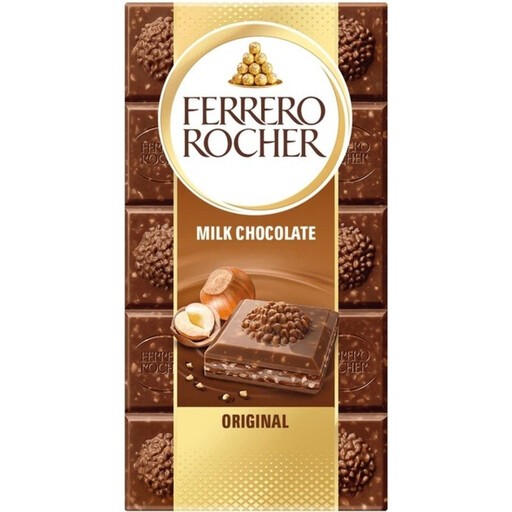 Image unavailable
Worth considering if a bar to break into squares suits you better than an individually wrapped portion. Its stated weight is 90 g; check the ingredients and allergens for this recipe, especially if you’re giving it as a gift.
 Image unavailable
Despite the word ‘bar’, at 100 g this is best treated like a chocolate bar to break into squares. If you’re comparing sugars, also read the ingredients list and the maltitol warning on the packaging.
 Image unavailable
The nine individually wrapped pieces make it easy to enjoy one at a time. However, these are mini coated wafer bars, not a chocolate bar. Check the packaging for sugars and allergens before comparing this product with a chocolate bar.
No. The levy known as the ‘soda tax’ applies to sugary drinks, according to the Ministry of the Economy, not solid chocolate bars. To choose a chocolate bar, compare the sugar content shown in its nutritional information.
No, it’s voluntary in France, as the DGCCRF states. If it appears on a product, you can consider it alongside the ingredients list and nutritional values. Don’t assume that its absence tells you anything about the recipe.
Check the weight per piece, the number of pieces and how they’re packaged. A 90 or 100 g bar can be enjoyed over several sittings, but that doesn’t make it a pack of individually wrapped portions.
Read the ingredients and any ‘may contain’ warnings on the exact product’s packaging, then make sure the recipient can eat it. Neither ‘dark’ nor ‘organic’ means that an allergen is absent.