People preparing lunchboxes
If each lunchbox needs a bar, check the number of bars and their weight. Also check whether each bar is individually wrapped, then read the nutritional information and allergens for the product you’ve chosen.


For a casual Epiphany get-together, choose mini bars if you want to offer smaller portions; for lunchboxes, a pack of full-size bars lets you set aside one per person. In both cases, check the number of bars, their weight, the nutritional information and the allergens for the exact recipe. Choose a supermarket own-brand option using the same criteria, rather than relying on the brand name alone.
If each lunchbox needs a bar, check the number of bars and their weight. Also check whether each bar is individually wrapped, then read the nutritional information and allergens for the product you’ve chosen.
A pack of mini bars lets you offer several smaller portions without cutting up full-size bars. Before choosing an assortment, check the allergens in each recipe you plan to serve.
The ‘of which sugars’ figure per 100 g lets you compare products on a like-for-like basis; the weight of each bar then helps you gauge the portion size. According to Santé publique France, Nutri-Score is voluntary: when it appears on a pack, it provides additional information alongside the nutritional values.
Best for: offering smaller portions at a casual get-together.
Worth considering: each person may take several mini bars; also check the allergens in each recipe in an assortment.
Best for: when you’re planning to put one full-size bar in each lunchbox.
Worth considering: a full-size bar won’t necessarily weigh the same as a mini bar; check the portion size shown for the product you’ve chosen.
| What matters | What to check | Who is it for? |
|---|---|---|
| How the bars are shared out | Number of bars, weight per bar and individual wrapping if needed. | For an Epiphany get-together or to fill several lunchboxes, I want to know how many portions the pack will provide. Around 30% of consumers put this practical consideration first. |
| Sugars and portion sizes | The ‘of which sugars’ figure per 100 g, followed by the weight of one bar and the values per portion, where shown. | If I’m comparing two recipes, I want to check their sugar content on a like-for-like basis, then see what that means for one bar. Around 40% of consumers prioritise checking this nutritional information. |
| Allergens and recipes | Ingredients list and ‘contains’ or ‘may contain’ statements for the exact variant. | Before offering an assortment to a group, I need to check that each recipe is suitable for the group’s known dietary restrictions. Around 30% of consumers put recipe suitability first. |
Article 1613 ter of the French General Tax Code, published by Légifrance, applies to drinks and liquid preparations for drinks intended for human consumption, not solid chocolate bars.
When choosing a bar, look at its portion size and nutrition declaration instead, particularly the ‘of which sugars’ figure.
According to Santé publique France, displaying it is voluntary. Its absence alone doesn’t tell you what the nutritional values of a pack are.
Compare the nutrition declaration and ingredients of the products you’re considering; use Nutri-Score as additional information when it appears.
KitKat’s product information distinguishes Mini, which contains wheat and milk, among other ingredients, from Mini Mix, which also lists peanuts and hazelnuts.
When sharing, check the dietary restrictions of the people concerned and read the ingredients and any precautionary allergen statements on the exact pack.
The Carrefour range reviewed includes Mars Mini in a pack of 17, a format worth considering for sharing.
The Carrefour range reviewed includes Snickers Mini in a pack of 27, among other options.
The Carrefour range reviewed includes 15 caramel mini bars, as well as a pack of 5 bars weighing 50 g each.
KitKat offers chocolate-coated wafers in Mini and Mini Mix formats.
The supermarket’s own brand includes, among other options, a pack of 10 bars weighing 21 g each and a chocolate and peanut variety in a pack of 5 bars weighing 50 g each.
These chocolate bar multipacks offer options for sharing or filling lunchboxes, with one bar per person. Choose based on the number of bars, their stated weight and the information on the variant being sold.
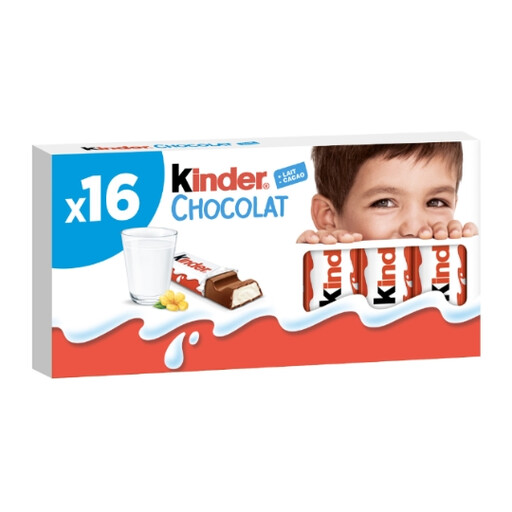 Image unavailable
A pack of 16 bars to consider when you’re planning one per person. If each bar needs to go in a separate lunchbox, check whether the product being sold is individually wrapped; also check the ingredients and allergens.
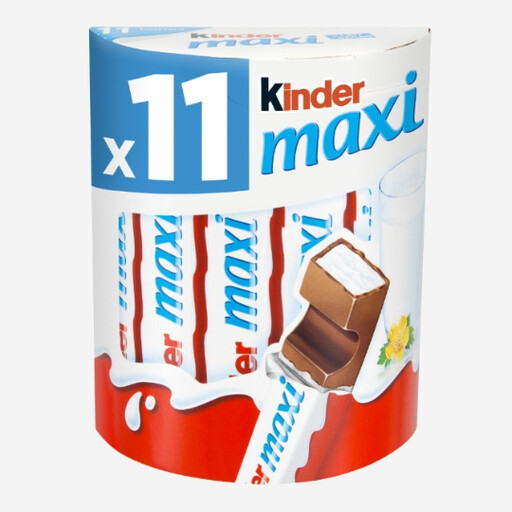 Image unavailable
The 11 bars in the pack give you a set number of portions to share out. For lunchboxes, check the packaging to see whether they’re individually wrapped, and check their weight and the allergens in this product.
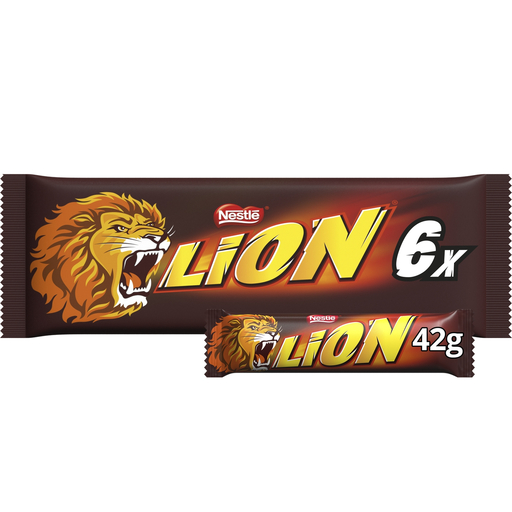 Image unavailable
This pack is a good choice if you’re planning to offer six full-size bars rather than smaller portions. Compare the weight of 42 g per bar with the portions you have in mind, and check whether they’re individually wrapped and what allergens they contain before preparing lunchboxes.
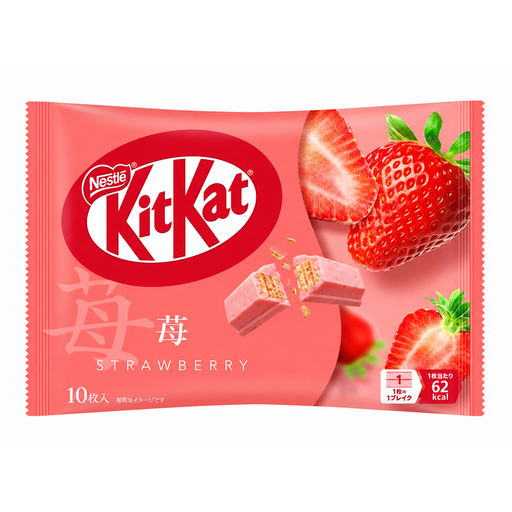 Image unavailable
The 10 stated portions could work well for sharing. Before comparing the per-portion values with another pack, check the packaging for the weight of each bar and the portion size used for the nutritional information; also check the allergens in this variant.
 Image unavailable
Three 50 g bars work well if you’re planning to share them between three people, or for another occasion where you decide how to divide them. If you’re looking for smaller portions or individually wrapped bars for lunchboxes, check that this format is suitable; also read the allergens on the pack.
No. The charge set out in Article 1613 ter of the French General Tax Code, published by Légifrance, applies to drinks and liquid preparations for drinks intended for human consumption, not solid chocolate bars. Sugar content is still worth checking in the nutrition declaration.
No. Santé publique France says producers display Nutri-Score on a voluntary basis. To compare prepacked foods covered by nutritional labelling rules, check their values per 100 g, whether or not the logo is shown.
Start by comparing the ‘of which sugars’ figure per 100 g, then check the weight of one bar and, if shown, the value per portion. As an example for this specific recipe, the KitKat Mini product information states 45,9 g of sugars per 100 g and 7,7 g for the portion shown.
For every recipe you plan to offer, read the allergens highlighted in the ingredients list and check the exact pack for any precautionary allergen statements. For example, KitKat’s product information lists wheat and milk for Mini, while Mini Mix also lists peanuts and hazelnuts. So the range name alone isn’t enough to check an assortment.