For match night, chocolate bars are a good choice if you plan to break them into squares and serve them in bowls or on a platter. If you prefer a bag of bite-sized chocolates, check the number of pieces and how they’re packaged before counting on separate portions. Either way, choose the quantity and recipe to suit your guests, then check the ingredients, allergens and nutritional information for the exact product.
Who is this chocolate for?
Anyone serving a group
If you’re setting out a spread to watch the match, the net weight and how easy the pieces are to share matter just as much as the recipe. Milka and Lindt, for example, offer bars weighing 200 g or more. A larger bar still needs to be broken up and served.
Groups with ingredients to avoid
If any guests need to avoid an ingredient, check every product, including those in an assortment. The DGCCRF states that allergens in prepacked foods must be emphasised in the ingredients list.
Anyone comparing recipes
To compare bars of different sizes, check their nutritional values per 100 g. The DGCCRF explains that this makes comparisons easier. According to the French Ministry of the Economy, Nutri-Score is an optional extra, not a replacement for the nutrition table.
What should you check first?
First decide how you’ll serve the chocolate, then check the recipe of every product you plan to put on the table.
| What to consider |
What to check |
Who is it for? |
| Quantity and serving |
Total net weight and number of bars; have a bowl ready for the broken squares. |
If you need to serve a group without interrupting the match, being able to share out the pieces easily becomes a priority. Around 33% of consumers might put this first. |
| Ingredients and allergens |
Check the ingredients list and highlighted allergens for each product. |
If a guest needs to avoid certain ingredients, what’s in the chocolate matters more than having a range of recipes. This could be the top priority for around 27% of consumers. |
| Nutritional information |
Sugars, fat (including saturates), salt and energy per 100 g. |
When comparing two different-sized bars, some consumers prefer to start with the same nutritional values rather than judging by the packaging. Around 20% might prioritise this comparison. |
| Choice of recipes |
Check the type of chocolate and any inclusions listed on each pack. |
If your guests have different preferences, offering a few recipes may matter more than choosing one large bar. Variety could be the priority for around 20% of consumers. |
Mistakes to avoid
-
Relying on Nutri-Score alone
In France, the Ministry of the Economy states that this logo is optional. Its absence doesn’t tell you whether a bar is a good choice, and a logo on the pack doesn’t replace the nutritional information.
Compare the values per 100 g on the packs of the recipes you’re considering.
-
Assuming the levy on sugary drinks applies to chocolate bars
French legislation published by Légifrance applies to drinks and liquid drink preparations, not chocolate bars. Sugar content is still useful for comparing nutritional information, but it’s not a reason to apply this levy to a chocolate bar.
To compare the sugar in two bars, check the values given per 100 g.
-
Choosing bars with inclusions without reading the label
A recipe with hazelnuts, almonds or biscuits may not suit every guest. The product name alone won’t tell you all the ingredients and allergens.
Check every pack and keep different recipes separate when serving if a guest needs to avoid an ingredient.
Brands to consider
Milka
Milka offers 200 g bars, as well as a 276 g MMMAX Peanuts and Caramel recipe. It’s worth considering if you want a large bar to break up and share.
- Milka’s range includes several sizes and recipes.
- Check the ingredients and allergens for the specific product you choose; they’re not the same across the whole range.
Lindt
Lindt offers, among other options, a 225 g LES GRANDES Milk Hazelnut bar, as well as a range of chocolate recipes you can mix and match to suit your group’s preferences.
- The variety of recipes makes it easy to put together an assortment rather than choosing just one bar.
- If you choose a recipe with nuts, check the allergens on the exact product’s packaging.
Nestlé Les Recettes de l’Atelier
Nestlé describes this range as featuring chocolate squares with visible ingredients, including dried fruit, caramel, candied fruit and biscuits.
- These recipes can add a range of flavours and textures to a chocolate platter.
- Inclusions vary from bar to bar, so check the ingredients and allergens for each one.
Côte d’Or
Carrefour France offers Côte d’Or milk and dark chocolate bars, as well as bars with hazelnut pieces. The right choice depends on which recipe your guests would like to share.
- The recipes on offer let you choose between plain chocolate and chocolate with inclusions.
- Check the ingredients for each bar, especially if anyone has dietary restrictions.
E.Leclerc Marque Repère / Eco+
E.Leclerc offers, among other options, 200 g Marque Repère and Eco+ dark chocolate bars. If you’re looking for a recipe with a stated cocoa percentage, check the exact product.
- The net weight and cocoa percentage shown on some products help you tell the recipes apart.
- Cocoa percentage alone doesn’t tell you the sugar content or which allergens are present.
Chocolate to share on Joybuy
These chocolate bars and this multipack of bars are suited to breaking up or sharing out during the match. Check the recipe and the information on the packaging before offering them to your guests.
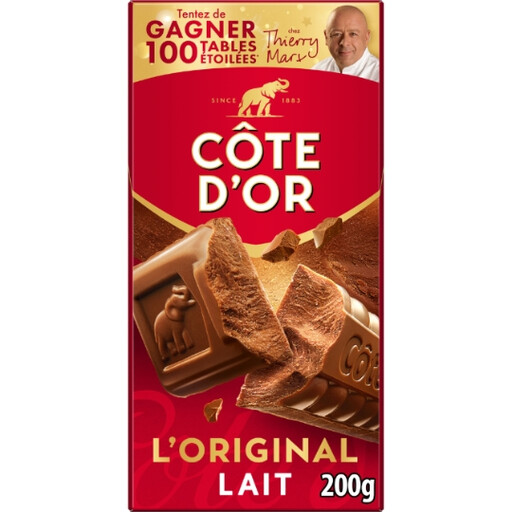 Image unavailable
Côte d’Or Classic milk chocolate, 200 g
Break this bar into pieces to serve in a bowl or on a platter. It has a net weight of 200 g; check the allergens on the packaging before serving.
View on Joybuy
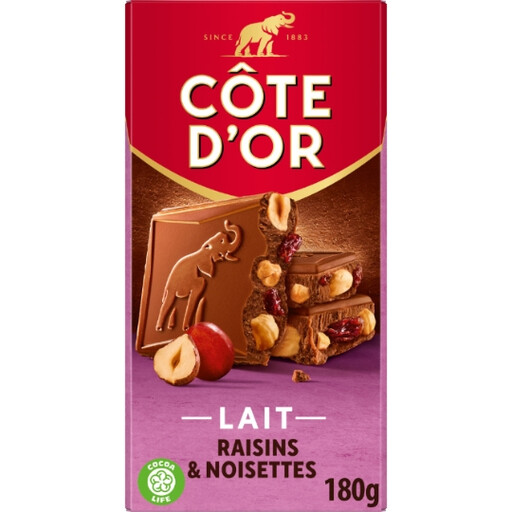 Image unavailable
Côte d’Or milk chocolate with raisins and hazelnuts, 180 g
A good choice if your guests would like a bar with inclusions. It weighs 180 g and contains hazelnuts; check the label if anyone needs to avoid nuts or other ingredients.
View on Joybuy
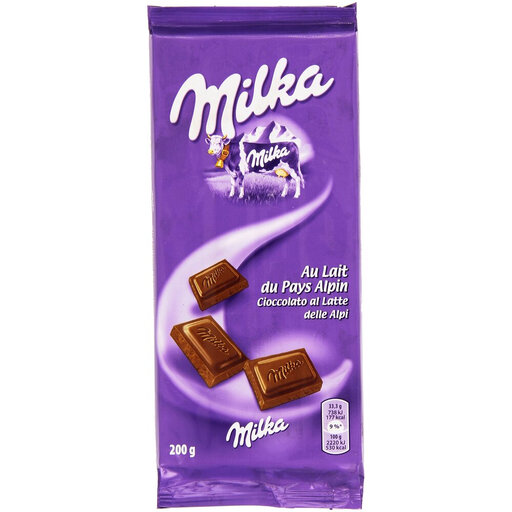 Image unavailable
Milka milk chocolate, 200 g
A 200 g bar to consider for sharing. Check the ingredients list and allergens for this specific product before adding it to an assortment.
View on Joybuy
 Image unavailable
Poulain Extra Dark dark chocolate, 200 g
A 200 g dark chocolate option for guests who prefer it to milk chocolate. To compare its sugar content or check for allergens, refer to the packaging rather than assuming what it contains from the words ‘dark chocolate’.
View on Joybuy
 Image unavailable
Toblerone Milk, 3 × 50 g
This pack lets you share out three bars instead of breaking up one large bar. It contains 150 g of milk chocolate in total, but the format doesn’t guarantee an individual portion for every guest. Check the ingredients before serving.
View on Joybuy
Frequently asked questions
Does the French levy on sugary drinks apply to chocolate bars?
No. The legislation published by Légifrance covers drinks and liquid drink preparations, not chocolate bars. You can still compare the sugar values per 100 g when choosing between different bars.
Does a bar sold in France have to display Nutri-Score?
No. According to the Ministry of the Economy, Nutri-Score is optional and supplements the nutrition declaration. To compare prepacked bars, check their nutritional values per 100 g, presented in line with the rules outlined by the DGCCRF.
What should I check if a guest needs to avoid an ingredient?
Read the ingredients list and check the highlighted allergens on every pack, even if the recipe name seems familiar. The DGCCRF reiterates this labelling rule for prepacked foods. If necessary, keep different recipes separate when serving.
Which date should I check before serving the chocolate?
Follow the date and any storage instructions shown on the exact pack. The DGCCRF distinguishes between the use-by date for foods that are microbiologically perishable and the best-before date for other prepacked products.


