Parents mindful of portion sizes
You’re looking for an occasional treat and want to know how much the bar in your child’s lunchbox weighs. Mini bars and standard bars aren’t the same size.


For an occasional treat in a school lunchbox, choose a bar with a clearly stated portion size and check the ingredients, allergens and nutritional information for the exact product. Manger Bouger recommends limiting sugary foods for children. If the Nutri-Score appears on the packaging, it can help you read the label, but it doesn’t replace it.
You’re looking for an occasional treat and want to know how much the bar in your child’s lunchbox weighs. Mini bars and standard bars aren’t the same size.
You want to compare the sugar, energy and fat content of different recipes. Values per 100 g give you a common basis for comparison; the bar’s weight then helps you work out the portion you’ve chosen.
You need to take an allergy or school guidance into account. Check the ingredients list and any ‘may contain’ warnings for the exact product, even if you already know the brand.
Before comparing sizes, rule out any recipes that contain allergens to avoid or don’t meet the school’s guidance. Then check the portion size and nutrition label.
| What matters | What to check | Who is it for? |
|---|---|---|
| Portion size | The weight of each bar and how it is packaged. | For an occasional treat, I want to know how much I’m putting in the lunchbox. Around 45% of consumers prioritise being able to control portion size. |
| Nutritional content | Sugars and energy per 100 g, followed by the bar’s weight. | If I’m choosing between two different-sized bars, I want to be able to compare their nutritional information on the same basis. This is the main concern for around 33% of consumers. |
| Allergens and school guidance | Ingredients, ‘may contain’ warnings and guidance from the school. | If an ingredient needs to be avoided or the school has issued guidance, I need to know whether the recipe is suitable before choosing a size. Around 22% of consumers put this check first. |
According to Santé publique France, displaying the Nutri-Score is voluntary. When it appears, it doesn’t tell you the bar’s weight or list its allergens.
Also check the nutrition declaration, the amount per bar and the ingredients.
A smaller portion changes how much you put in the lunchbox, but the bar’s weight alone isn’t enough to compare the sugar content of two recipes.
Check the weight of each bar, then compare the nutritional values per 100 g on the relevant packaging.
Two chocolate bars may have different ingredients and ‘may contain’ warnings. Choosing a different size doesn’t remove the need to check if your child has to avoid an allergen.
Read the packaging for the product you’re buying and follow the guidance provided by the school.
Carrefour lists a single 50 g bar made with biscuit, caramel and milk chocolate.
Carrefour lists a 50 g peanut and caramel bar.
Carrefour lists a 51 g milk chocolate, caramel and nougat bar, as well as a multipack of 45 g bars.
Carrefour lists the 40 g Chunky bar, made with wafer and milk chocolate.
The brand offers, among other products, a pack of ten 21 g milk chocolate bars.
This selection includes 40–50 g bars and multipacks of smaller bars. For multipacks intended for a lunchbox, check whether each bar is individually wrapped.
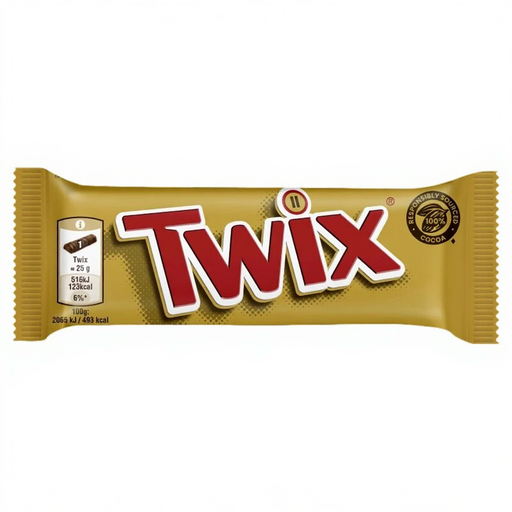 Image unavailable
Worth considering if you’re looking for a single bar with a stated weight for an occasional treat.
The Joybuy listing for this product declares gluten, including wheat and barley, as well as milk and soya. Check the packaging before putting it in a lunchbox.
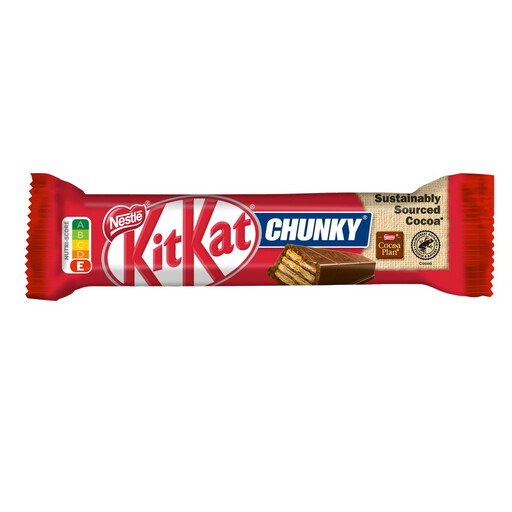 Image unavailable
Worth considering if you’d prefer a single 40 g bar rather than a multipack of mini bars.
For this product, check the warnings for gluten and milk, as well as possible traces of peanuts and nuts, before packing the lunchbox.
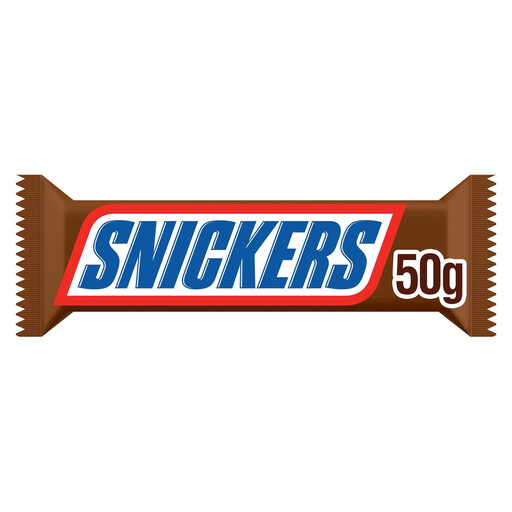 Image unavailable
This 50 g bar is only suitable for a lunchbox if its ingredients meet your allergen requirements and the school’s guidance.
This product contains peanuts. Also check the packaging for warnings about milk, soya, egg and possible traces of nuts.
 Image unavailable
This multipack may suit families who want to pack one small bar at a time. Check that each bar is individually wrapped before planning to take it in a lunchbox.
Also check the ingredients for this product, including the warnings about milk and soya.
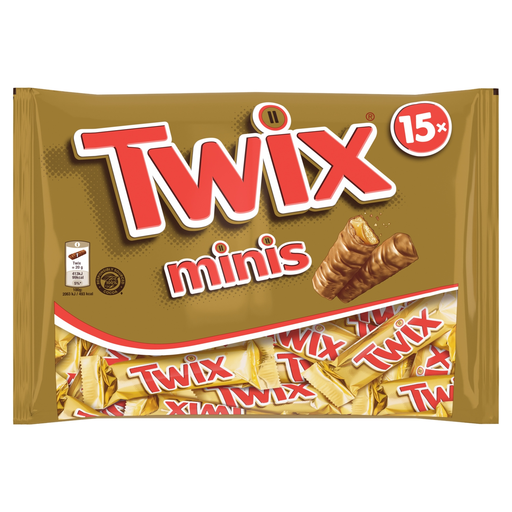 Image unavailable
This multipack is worth considering if you’re looking for a mini format. Check the weight of each bar and whether it is individually wrapped to see if it suits your lunchbox needs.
For this product, check the warnings for gluten, milk, soya and possible traces of nuts.
No. Santé publique France says that displaying it is voluntary. However, the DGCCRF states that a nutrition declaration is compulsory for most prepacked foods. If there’s no logo, check the nutrition table and ingredients.
No. The contribution described by the French Ministry of the Economy applies to sugary drinks, not chocolate bars. It therefore doesn’t tell you how much sugar a bar contains: check its nutrition declaration.
First compare their nutritional values per 100 g, then check the weight of each bar to work out the portion you plan to pack. A lighter bar isn’t necessarily made with a less sugary recipe.
Manger Bouger recommends limiting sugary foods for children. So it’s best to treat a chocolate bar as an occasional treat rather than a regular part of the lunchbox.
Read the ingredients and any ‘may contain’ warnings on the packaging for the exact product, and follow the school’s guidance. The brand name or bar size alone won’t tell you whether a recipe is suitable.