Parents preparing a portion
If you put together the lunchbox before setting off, a chocolate bar you can break into squares lets you choose how much to pack. Manger Bouger recommends limiting sugary foods for children and teenagers.


For a secondary school lunchbox, a chocolate bar that you can break into squares lets you decide on the portion before setting off, provided you check the recipe and allergens. A gift box or selection is better suited to giving or sharing; if you add a chocolate to the lunchbox, check the information for the variety you choose.
If you put together the lunchbox before setting off, a chocolate bar you can break into squares lets you choose how much to pack. Manger Bouger recommends limiting sugary foods for children and teenagers.
The exact recipe matters more than the brand name: milk, nuts or ingredients made from cereals can vary from one chocolate to another. Check the label for each product before preparing a portion.
A gift box may be a good choice if presentation or variety matters. It’s a different option from chocolate that’s easy to portion for secondary school: check the recipes in the selection if some of it will be packed in a lunchbox.
For a lunchbox, decide on the portion first and check the recipe. For a gift, focus on the chocolates included in the selection.
| Priority | What to check | Who is it for? |
|---|---|---|
| Portion to take with you | Check how the bar breaks into squares and prepare your chosen amount in a separate container. | If I’m preparing the lunchbox before setting off, I’d rather choose the portion than put in a whole bar. Around 45 % of consumers prioritise preparing a portion in this way. |
| Allergens in the recipe | Read the ingredients and allergen information for the exact product, including each variety in a selection. | If a secondary school pupil needs to avoid an ingredient, I need to be able to identify the recipe of the chocolate they’re taking with them. Checking allergens is the top priority for around 22 % of consumers. |
| Nutritional information | Compare sugars per 100 g in similar products, in particular, and check the Nutri-Score if one is displayed. | Before choosing between two similar bars, I want to read their nutritional information rather than use the Nutri-Score alone to decide on a portion. This comparison comes first for around 33 % of consumers. |
Manger Bouger recommends limiting sugary foods for children, so whichever format you choose, you’ll still need to prepare the portion. If the packaging displays a Nutri-Score, it supplements the nutrition declaration but doesn’t replace it.
The levy on sugary drinks described by the French Ministry of the Economy applies to drinks, not chocolate bars. It therefore can’t be used to rank chocolate bars by their sugar content.
To compare chocolates, check the ‘sugars’ line in the nutritional information, using the same basis for each product, such as per 100 g.
According to Santé publique France and Manger Bouger, displaying the Nutri-Score is voluntary. Its absence doesn’t tell you what’s in the chocolate bar.
Check the ingredients list and nutrition declaration. If the logo is displayed, use it to compare similar products.
A plain bar, a bar with added ingredients and the chocolates in a selection may all have different ingredients. The European Commission says that allergens used as ingredients must be clearly listed.
Check the label on the product and variety you’re actually planning to put in the lunchbox.
Milka offers milk chocolate bars and recipes with added ingredients, including 100 g, 200 g and 276 g formats.
Lindt France offers dark, milk and white chocolate bars, as well as boxes and gift sets.
Nestlé France offers recipes featuring hazelnuts, almonds, caramel, candied fruit or biscuits, as well as a ‘Juste 3 Ingrédients’ sub-range.
Côte d’Or offers chocolate bars and pralines, among other products.
The retailer offers chocolate bars across several own-label ranges, including Carrefour Classic’, Extra, Sélection and Sensation.
E.Leclerc features several Marque Repère ranges in its chocolate and confectionery catalogue.
These products suit two different needs: preparing a portion of a chocolate bar for a lunchbox, or choosing a selection to give as a gift or share. In either case, check the label on the product you receive before giving a portion to a secondary school pupil.
 Image unavailable
Worth considering if you’re preparing a portion of the bar in advance rather than taking all 100 g. Check how many squares it contains, along with the allergens and nutritional information on the packaging for this product.
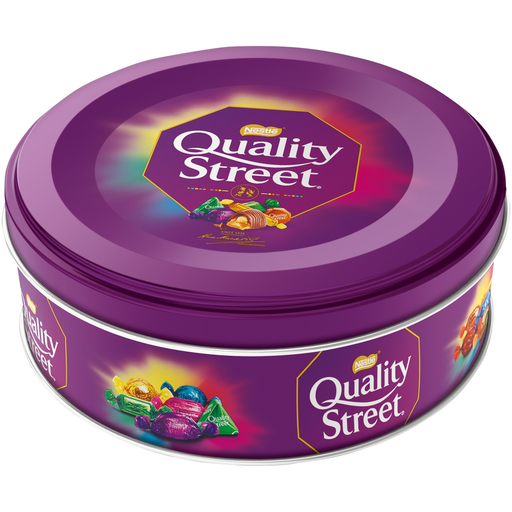 Image unavailable
This box is better suited to giving as a gift or sharing than to packing a pre-portioned amount in a lunchbox. The product information lists milk and hazelnuts, and notes that it may contain other nuts. Check the label and the variety you choose before packing a piece.
 Image unavailable
This bar can be portioned at home. Check how it’s actually divided before deciding how many pieces to pack. The product information lists maltitol and a warning about a laxative effect if consumed in excess. Read the warning on the packaging before choosing this chocolate for a lunchbox.
No. The levy on sugary drinks mentioned by the French Ministry of the Economy applies to drinks, not chocolate bars. To compare chocolate bars, check their nutritional information instead.
No, displaying it is voluntary in France, as Santé publique France and Manger Bouger explain. The nutrition declaration required under European rules for relevant food products is separate information that you should also check.
Check the information for the exact product, particularly for milk, soya, peanuts, nuts or cereals containing gluten, depending on the recipe. The European Commission says allergens used as ingredients must be clearly indicated on the label.
Yes, as long as you choose a portion in advance and check the ingredients in the variety you’re packing. A gift box is mainly for giving or sharing, while a chocolate bar generally makes it easier to prepare a portion at home.