People in a hurry looking for an individual portion
For a short break, the weight of a bar sold individually tells you the portion size before you unwrap it. The Mars and Snickers products featured by Carrefour France are examples of this format.


For a very short lunch break, an individually wrapped bar makes it easier to identify the portion than a gift box. A multipack is better for stocking up or sharing, while a box of chocolates is more suited to giving as a gift. None of these formats is a complete lunch in itself. Before choosing, check how much you’ll eat, the nutrition information and the allergens in the exact recipe.
For a short break, the weight of a bar sold individually tells you the portion size before you unwrap it. The Mars and Snickers products featured by Carrefour France are examples of this format.
If you’re planning several breaks or sharing at work or with family, check the number of individual pieces and the total weight of the bag or box. Multipacks featured by Carrefour France and E.Leclerc serve a different purpose from a bar bought to eat straight away.
If you need to avoid certain ingredients, the label on the product you choose matters more than the range name. It also lets you compare the sugars, fat and energy shown in the nutrition information.
First, choose the packaging to suit how you plan to use it, then compare the portion and the exact recipe. A box intended for sharing won’t meet the same need as a bar to take with you.
| What to consider | What to check | Who is it for? |
|---|---|---|
| Individual portion | Bar weight and the energy stated for the portion. | When I have a short break, I want to be able to take one item with me and know its size before I unwrap it. Around 40% of consumers prioritise an individual portion. |
| Nutrition information | Values per 100 g and, if shown on the packaging, per portion; the amount actually eaten. | To choose between two recipes, I need to compare their sugar, fat and energy on the same basis. Around 30% of consumers prioritise checking the nutrition information. |
| Allergens and ingredients | Ingredient list, highlighted allergens and ‘may contain’ statements for the exact product. | If I need to avoid an ingredient, I check the recipe before choosing a format or flavour. This is the main concern for around 20% of consumers. |
| Stocking up, sharing or gifting | Number of individual pieces, total weight and whether the items are individually wrapped. | For several breaks, sharing or a small gift, I look for packaging suited to several people rather than a single bar. Around 10% of consumers prioritise this use. |
According to the Ministry of the Economy, displaying the Nutri-Score is optional in France. Its absence alone isn’t enough to judge the composition of a bar.
When it is displayed, use it as additional information. To compare two products, also check their nutrition values per 100 g and consider them in relation to the portion you’ll eat.
Article 1613 ter of the General Tax Code, published by Légifrance, applies to non-alcoholic drinks containing added sugars, not solid chocolate bars.
When choosing a bar, check the sugar content and other nutrition information on its packaging instead.
Ingredients vary between products. Carrefour France, for example, lists peanuts in the 50 g Snickers bar featured here; that doesn’t apply to every bar from the brand.
Before eating or sharing a product, read the ingredient list and any allergen warnings on the packaging you’ve bought.
Carrefour France features a 51 g Mars bar made with milk chocolate, caramel and nougat: an example of an individually sold portion.
The 50 g caramel, nougat and peanut bar featured by Carrefour France is another individual format.
Carrefour France features several KitKat recipes and pack formats, including 41.5 g bars and multipacks.
The range featured by Carrefour France includes a bag of 15 mini Twix caramel bars, designed to provide several portions.
E.Leclerc features an ECO+ multipack of 12 caramel biscuit bars, weighing 348 g in total and providing several portions.
For a quick break, individually wrapped bars make it easier to identify the portion. Bags of mini bars are better suited to several breaks or sharing, while an assorted box is more appropriate as a gift.
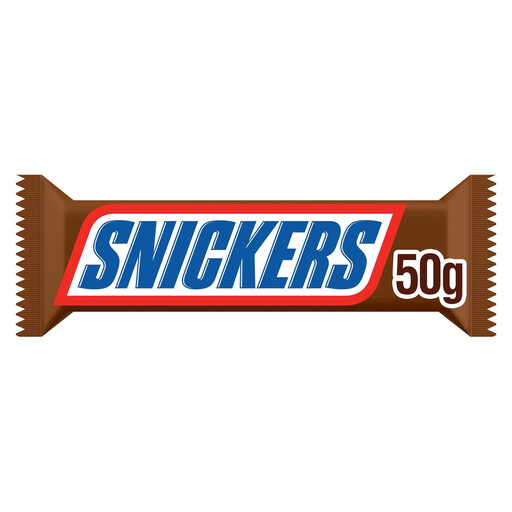 Image unavailable
An individually wrapped bar to consider if you want to identify the portion for a short break.
This product contains peanuts, milk, soya and egg; it may contain tree nuts. Check the packaging if you need to avoid any of these allergens.
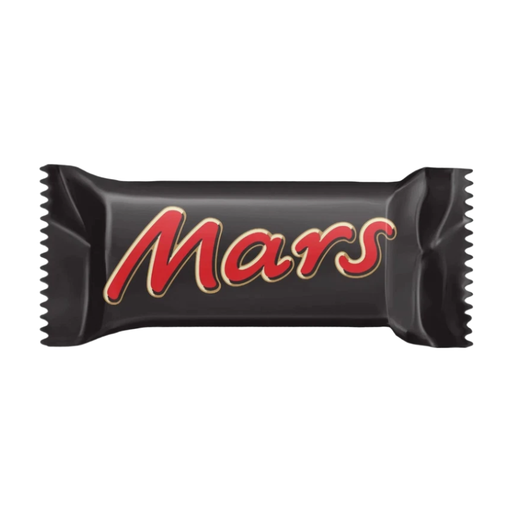 Image unavailable
The individually wrapped format makes it easy to check the bar’s weight before a quick break.
This product contains milk, soya, barley and egg; it may contain peanuts and tree nuts. Check these statements on the packaging you buy.
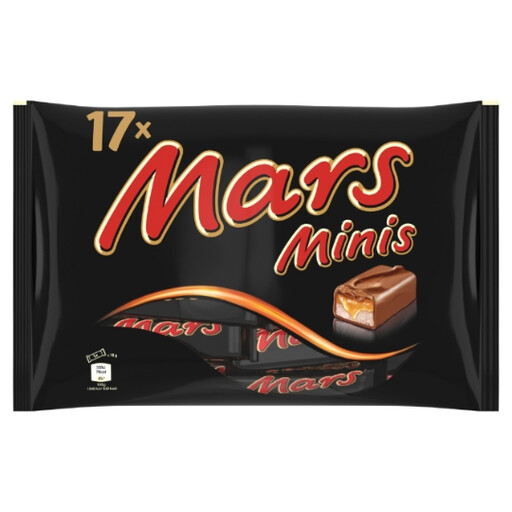 Image unavailable
This bag of mini bars is better suited to stocking up or sharing than buying a single portion.
Check the number of pieces and their weight on the packaging. This product contains milk, soya, barley and egg; it may contain peanuts and tree nuts.
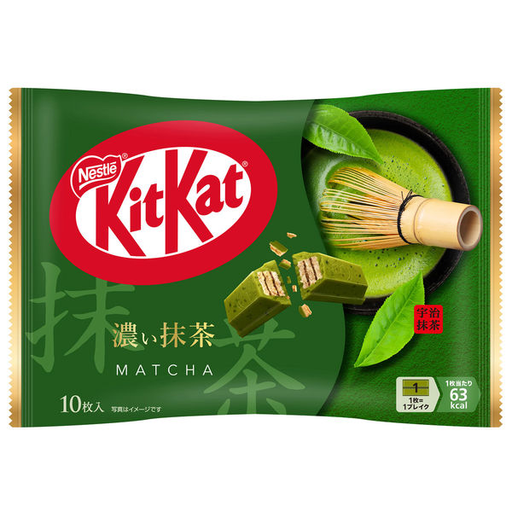 Image unavailable
This matcha mini format is worth considering for several smaller portions rather than as a single bar.
Check the number of pieces and their weight on the packaging. This product contains gluten-containing cereals, soya and milk.
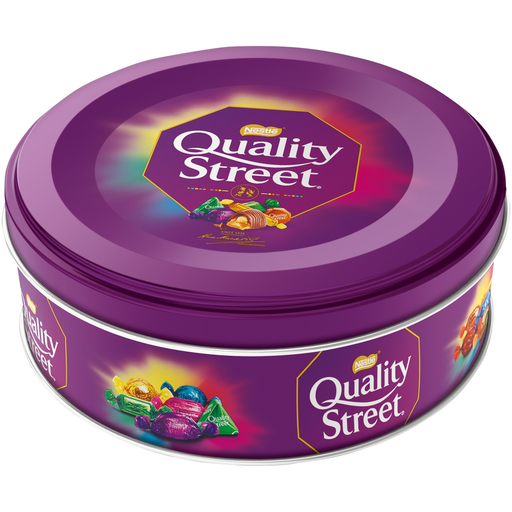 Image unavailable
An assorted box is better suited to sharing or giving as a gift than to a defined individual portion for your lunch break.
Check the number of pieces if you plan to share the assortment. This product contains milk and hazelnuts and may contain other tree nuts.
No. According to the Ministry of the Economy, displaying it is optional. Nutrition declarations on prepacked foods are compulsory, subject to applicable exceptions, as explained by the DGCCRF. If the logo isn’t shown, compare the nutrition values per 100 g and take the portion you eat into account.
No. Article 1613 ter of the General Tax Code, published by Légifrance, applies to non-alcoholic drinks containing added sugars, not solid chocolate bars. However, sugar content is still worth checking on the label.
Don’t choose this format assuming it will make up a complete lunch on its own. For a quick break, a bar mainly makes it easy to identify a portion; a box is better suited to sharing or gifting. Manger Bouger encourages you to put together a balanced meal, including during your lunch break at work.
Read the ingredient list and any ‘may contain’ statements on the packaging of the product you’ve bought. The Ministry of the Economy reminds consumers that allergens present in the ingredients must be highlighted. The ingredients in one bar don’t tell you what’s in another recipe or an assortment.
In particular, check the ingredient list, highlighted allergens, net quantity, date shown and the nutrition information applicable to the product. The labelling rules set out by the Ministry of the Economy and the DGCCRF include conditions and exceptions depending on the food; the packaging of the box you choose is the reference to check.