People sharing a break
You’re bringing chocolate for colleagues, friends or people at home. The total quantity and number of bars matter more than a ‘sharing’ label alone.


For a group lunch, choose between a large bar and a multipack based on how much chocolate you need to share and how many wrappers you want to open. A standard bar may be enough for a smaller group. Then check the sugars per 100 g, the ingredients and the allergens for the exact recipe. In France, Nutri-Score is voluntary and does not replace this information.
You’re bringing chocolate for colleagues, friends or people at home. The total quantity and number of bars matter more than a ‘sharing’ label alone.
You want to compare the nutritional information and ingredients in different recipes. If Nutri-Score appears on the pack, it’s an extra guide, not mandatory information.
Before offering a bar to everyone, you need to know about any restrictions in the group. Depending on the recipe, check for ingredients or warnings relating to milk, soya, wheat or nuts.
To choose between a large bar, a multipack and a standard size, start by thinking about how much the group will actually need. Then use the label for the recipe you’ve chosen to compare the nutritional information and check the ingredients.
| Criteria | What to check | Who is it for? |
|---|---|---|
| Amount to share | Net weight in grams and number of bars in the multipack. | If several people are joining the lunch, I want to make sure there’s enough chocolate without mistaking a multipack for one large bar. Around 33% of consumers rank having enough for the group as their top priority. |
| Nutritional information | Sugars and other nutritional values per 100 g; Nutri-Score only if displayed. | When comparing two recipes, I want to check their values on the same basis rather than relying on a logo that appears on only one of them. This is the main priority for around 25% of consumers. |
| Portable size | Weight of each bar and storage instructions after opening. | When the break is short, I’d rather be able to take away or open only the amount we need. Around 25% of consumers prioritise a format that’s easy to manage during lunch. |
| Ingredients and allergens | Ingredients list, highlighted allergens and ‘may contain’ warnings for the exact variant. | Before sharing, I need to make sure the recipe is suitable for any restrictions in the group. For around 17% of consumers, this comes before the other criteria. |
According to the DGCCRF, allergens must be highlighted in the ingredients list of relevant food products. A nutrition declaration is mandatory for relevant prepacked foods; the French Ministry of the Economy explains that displaying Nutri-Score remains voluntary.
A sharing bag and a chocolate bar are different types of packaging. A multipack may also contain several smaller bars rather than one large bar.
Check the net weight and number of units. If you’re spreading the break over several occasions, three individually wrapped bars aren’t the same as one bar to open.
The French Ministry of the Economy says this logo is voluntary in France. Even when it appears, it doesn’t tell you how much is being eaten or provide the full ingredients list.
Compare the nutritional values per 100 g and read the ingredients for each recipe you’re considering.
A plain bar, a hazelnut recipe and a biscuit recipe may have different ingredients and ‘may contain’ warnings. This is particularly important when the chocolate is being shared among several people.
Ask about any important restrictions before buying, then check the allergens on the pack of the variant you’ve chosen.
Article 1613 bis of the French General Tax Code, published on Légifrance, concerns drinks. It isn’t a rule that applies to a chocolate bar.
When choosing a bar, focus on its size and the information on the label.
These examples show why it’s important to compare specific products: the weight, recipe and allergen information can vary from one bar to another.
The products reviewed include a standard 200 g bar and a 300 g Mmmax Oreo bar: two different ways to plan a break to share.
A 180 g milk chocolate bar with whole hazelnuts and a multipack of two 200 g L’Original bars illustrate the difference between an individual bar and a multipack.
The range includes a variety of sizes and recipes, including a 150 g Lindor Milk bar and a 900 g Création bar listed by Lindt France.
The Carrefour Bio range includes a 200 g dark chocolate bar with 70% cocoa.
The Tablette d’Or and Equador ranges offer different pack sizes, including multipacks of three 100 g bars.
These bars and multipacks offer two ways to provide chocolate for a group break: share individually wrapped bars or share a single bar. Choose a recipe with the people who’ll be there in mind, particularly if anyone has ingredient restrictions.
 Image unavailable
The three bars can be shared among several people or kept for separate breaks; the multipack weighs 300 g in total. Before sharing, check the ingredients and allergen information for this variant.
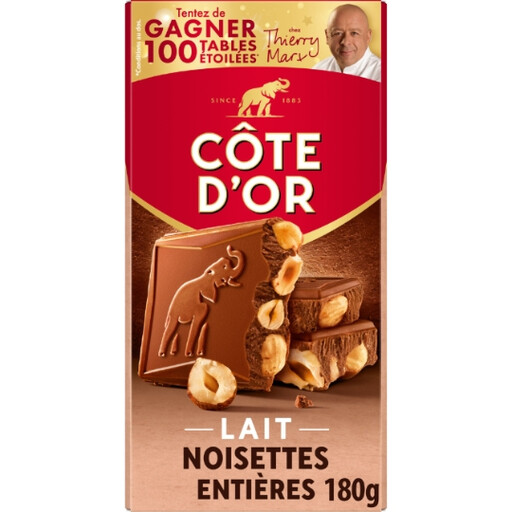 Image unavailable
This single 180 g bar means you don’t have to open several units for a small group break. As it contains hazelnuts, check the group’s restrictions. Joybuy’s product listing also states that it contains milk and soya, and may contain other nuts.
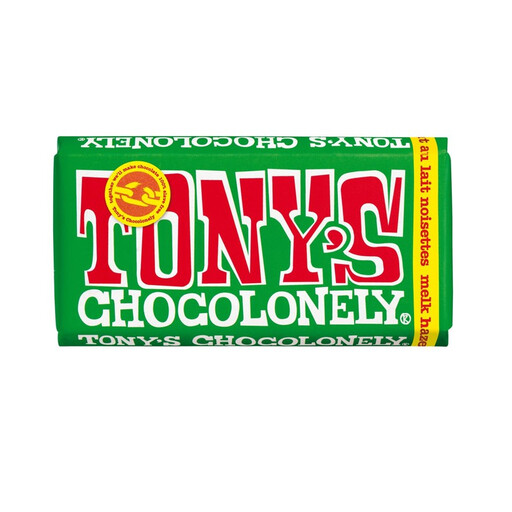 Image unavailable
This 180 g bar is a good fit for a break where you’ll share a single bar. If ingredients are important for the group, read the label for this hazelnut recipe, including any ‘may contain’ warnings.
 Image unavailable
Three 50 g bars let you hand out individual portions without opening the whole 150 g multipack. Check the packaging for allergens and, if you’re comparing recipes, the sugars and saturated fat per 100 g.
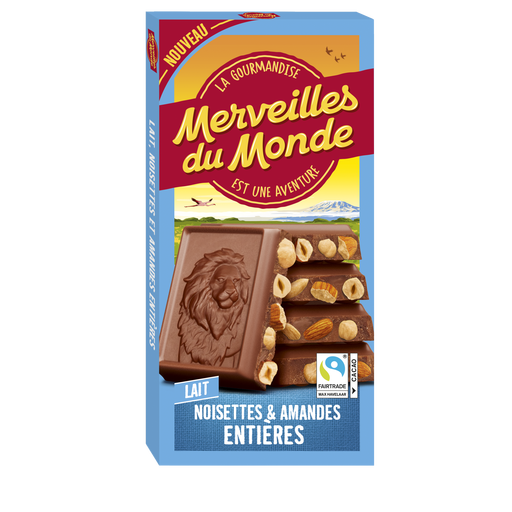 Image unavailable
This 170 g bar is a mid-sized option to share. Its name suggests hazelnuts and almonds, but the ingredient information provided mentions almonds without confirming hazelnuts. Check the ingredients on the packaging before offering it to anyone with a restriction.
No. The French Ministry of the Economy explains that displaying it remains voluntary. The DGCCRF, however, states that a nutrition declaration is mandatory for relevant prepacked foods. Check it to compare values per 100 g.
No. Article 1613 bis of the French General Tax Code, published on Légifrance, applies to drinks and isn’t a tax criterion for a chocolate bar.
First, ask whether anyone has ingredient restrictions, then read the ingredients list and check the highlighted allergens for the exact recipe. Depending on the bar, warnings may relate to milk, soya, wheat or nuts.
Follow the instructions on the packaging. The Joybuy listings for the Milka and Côte d’Or products reviewed recommend storing them in a cool, dry place; the Milka listing also says to seal the packaging tightly after opening.