Fans of a late-night chocolate treat
You’re looking for a bar you can break into a few squares and save the rest for later after dinner. Appinio’s survey on snacking in France lists chocolate among the foods people choose in the evening to unwind.


For an evening chocolate bar to nibble on, choose between dark chocolate, milk chocolate and a bar with inclusions, depending on the flavour you’re after, the size you want and any ingredients you need to avoid. Then compare the nutritional values per 100 g and the allergens for the specific product: if Nutri-Score appears on the packaging, it doesn’t replace this information.
You’re looking for a bar you can break into a few squares and save the rest for later after dinner. Appinio’s survey on snacking in France lists chocolate among the foods people choose in the evening to unwind.
You want to compare the sugars, fat and ingredient lists of the products you’re considering, rather than judging their nutritional profile by cocoa percentage alone.
You check the allergens and ‘may contain’ statements for every recipe. A praline, biscuit or nut-filled bar needs its own label check, even if it’s from a familiar brand.
Start with the type of recipe and the format, then compare the label on each bar you’re considering.
| Criteria | What to check | Who is it for? |
|---|---|---|
| Size and portioning | Net weight and how easy it is to break off some of the bar and store the rest. | If I only have a few squares after dinner, I want to be able to put the rest away easily; around 40% of consumers reportedly put size and portioning first. |
| Ingredients and nutritional values | Sugars, energy and saturated fatty acids per 100 g; ingredient list. | To choose between two recipes, I need to compare their labels rather than just their cocoa content; around 30% of consumers reportedly make this their main priority. |
| Allergens | Allergens listed for the exact variant and any ‘may contain’ statements. | When a recipe contains inclusions, I need to know whether its ingredients meet my requirements; around 30% of consumers reportedly prioritise this check. |
The contribution described by the French Ministry of the Economy applies to sugary drinks, not chocolate bars. It therefore tells you nothing about the sugar content of a chocolate bar.
Compare the sugar and other nutritional values per 100 g directly on the packaging of the products you’re considering.
According to Santé publique France, displaying it is voluntary. Its absence isn’t enough to judge the composition of a chocolate bar.
If it is shown, read it alongside the nutrition declaration, ingredient list and allergens for the product.
Praline, hazelnut and biscuit recipes can contain different allergens. You can’t draw conclusions about every variant from the brand name alone.
Check the ingredients and ‘may contain’ statements for the exact bar before buying.
A bar made for sharing can also be opened for a single late-night treat; its total weight doesn’t determine how much you want to eat.
Check the size and storage instructions if you plan to keep some of the bar for later.
The range lets you compare dark and milk chocolate bars, as well as bars with inclusions, depending on the recipe and size you’re after.
A brand to consider if you’re looking for a milk chocolate bar, particularly in a size that’s easy to break up or share.
Dark chocolate recipes and milk chocolate bars with biscuit call for separate comparisons.
The retailer offers own-brand chocolate bars as well as products from other brands, which you can compare recipe by recipe.
A useful option for comparing different cocoa percentages and sizes among the dark chocolate bars featured by the retailer.
This selection includes dark chocolate bars and recipes with inclusions. Compare their size, ingredients and product-specific information to find the right option for your evening craving.
 Image unavailable
The squares make it easy to break off a few pieces for a late-night treat. For this specific product, Joybuy France lists 15 g of sugars per 100 g; check the recipe’s allergens too.
 Image unavailable
The 35 g size is a good choice if you’d rather buy a small bar than keep a larger one once opened. If you need to avoid milk, soya or nuts, check the ‘may contain’ statements for this variant.
 Image unavailable
This recipe pairs dark chocolate with lemon zest and green pepper if you’re after a bar with inclusions rather than plain dark chocolate. Check the packaging for the ingredients and ‘may contain’ statements that matter to you.
 Image unavailable
This 100 g dark chocolate bar gives you the chance to compare a recipe containing maltitol with the other bars in this selection. Its product information warns that excessive consumption of this sweetener may have a laxative effect; check the full nutritional values too.
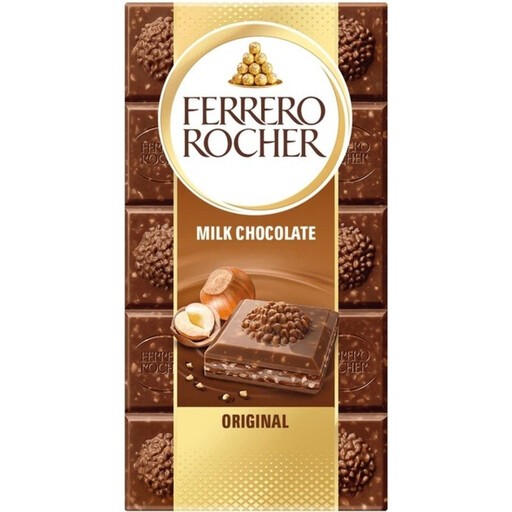 Image unavailable
This hazelnut bar is a good choice if you fancy a recipe with inclusions. Its product information lists milk, hazelnuts and soya, and says to consume immediately after opening; bear this in mind if you’d like to save some for later.
No. The contribution described by the French Ministry of the Economy applies to sugary drinks, not solid chocolate bars. To compare two bars, check their sugar content in the nutritional information.
No. Santé publique France explains that displaying it is voluntary. Check the nutritional information and ingredient list for the product; if a Nutri-Score is shown, it’s an additional guide, not a verdict on your choice.
No. Carrefour France’s product listing for the Côte d’Or 70% organic dark chocolate bar states that it may contain milk and nuts. Always check the ingredients and ‘may contain’ statements for the variant you’re buying.
According to ANSES, caffeine can delay sleep, and people’s sensitivity to it varies. If this matters to you, don’t try to estimate a bar’s caffeine content from its cocoa percentage alone, and take your own tolerance into account.