
Livraison le jour même ou le lendemain

Qualité garantie

Débloquez vos offres de bienvenue: Livraison GRATUITE | Jusqu'à -80 % | 30 jours d'essai gratuits à JoyPlus
Téléchargez l'application
Chocolate bars are about more than just a brand or a pretty wrapper. Dark, milk, white, studded with nuts or sugar-free: the recipe directly affects the taste, texture, price and use — whether for tasting, sharing or baking.
When buying chocolate online, a few common pitfalls keep cropping up:
The cocoa percentage tells you the proportion of cocoa in the chocolate part, but it isn't enough to predict the taste. An 85% cocoa chocolate, like the Lindt Excellence bar shown below, generally contains less sugar than a dark chocolate at 47% or 60%. On the flip side, its flavours are often more intense and it tastes less sweet.
As a guide, the product details for the Lindt Excellence 85% bar show 15 g of sugars per 100 g. The CARRE dark chocolate with Guérande sea salt, which contains at least 60% cocoa in the chocolate part, has 41 g of sugars per 100 g. That's why it's worth checking the nutritional table rather than just looking at the name or the percentage on the front of the wrapper.
Ingredients are listed in descending order by weight. For a classic recipe, look out for cocoa mass, cocoa butter, sugar, milk powder, nuts or flavourings.
Here are the things that deserve extra attention:
The NESTLÉ DESSERT white chocolate for baking contains milk, for example. According to the information provided, it may also contain traces of egg, cereals containing gluten and tree nuts.
For an occasional treat, a 90 to 100 g bar is easy to store and portion out. Smaller sizes of 46.8 g or 47 g are perfect for a solo break, while 170 to 200 g bars are better for sharing.
For baking, also think about how easily the bar breaks and how much you need for your recipes. A pack of 3 × 100 g, like the POULAIN one, lets you keep one bar intact while using the others for brownies, cookies or a ganache.

Why this might suit you: A well-thought-out pack of three bars for households that eat dark chocolate regularly or prefer to have some on hand for cooking.
The multi-pack reduces individual wrappers and lets you set one bar aside for baking while keeping the others for eating.
Three 100 g bars, at least 47% cocoa and no added palm oil or vegetable fat according to the product details provided.

Why this might suit you: With its short ingredients list and high cocoa content, this bar is aimed at fans of dark chocolate that's low in sugar and has a bold, distinctive taste.
The cocoa percentage is clearly stated, but it should be compared with the "sugars" line on the nutritional table rather than just the claim on the front of the pack.
85% cocoa, 15 g of sugars and 12.5 g of protein per 100 g according to the product details. No allergens are declared in the information provided.
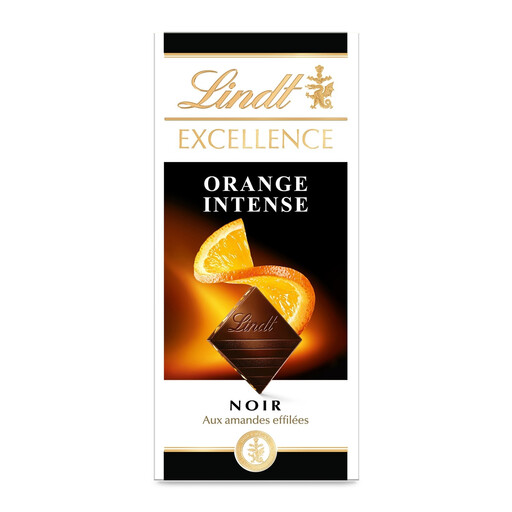
Why this might suit you: The orange and almond pieces add a fruity touch and several textures, ideal for a slightly more indulgent treat.
The product details state 6% almonds and 3.9% concentrated orange juice. A good way to tell a real ingredient from a simple flavouring.
100 g bar, almonds listed at 6% and described as having a fine, melt-in-the-mouth texture. Contains milk, almonds and soya.

Why this might suit you: Its generous size and culinary purpose make it a practical choice for cookies, icings and white chocolate desserts.
The bar is clearly labelled as a white chocolate for baking. This stops you accidentally picking a flavoured bar that's mainly designed to be eaten as it is.
170 g bar, contains cocoa butter and Bourbon vanilla according to the product details. Contains milk and may contain traces of egg, gluten and tree nuts.
Fans of really indulgent recipes might also want to try caramel and salted butter chocolate, particularly the TONY'S bars in 47 g or 180 g. The product details show 10% caramel and 0.50% sea salt, with 51.77 g of sugars per 100 g. Fancy something crunchy? The milk chocolate and hazelnut bars from TONY'S, MILKA or MERVEILLES DU MONDE have varying proportions of nuts depending on the recipe.
To replace regular sugar, the POULAIN 70% dark chocolate contains maltitol and shows 0.5 g of sugars per 100 g according to the available information. Maltitol is a polyol: if you eat too much of it, it can have a laxative effect. The CARRE Gianduja no added sugar also contains maltitol, with 42 g of polyols per 100 g. The rule is simple: read the label and don't automatically take a marketing claim as proof that a product is completely sugar-free.
Storage also deserves a bit of attention. Keep your bars in a dry place away from light, ideally between 16 and 18 °C if that temperature is recommended on the wrapper. Avoid the fridge: condensation can alter the texture and encourage white bloom to appear.
Browse an updated selection of chocolate bars, with a variety of sizes, recipes and cocoa percentages for tasting, sharing or baking.
Pick a bar that's explicitly designed for baking and check how much you need. The POULAIN dark chocolate sold in a pack of 3 × 100 g works well for recipes that require a decent amount of chocolate. For a milder dessert or an icing, the NESTLÉ DESSERT white chocolate in 170 g will often be more suitable.
Not always, but a high cocoa content often goes hand in hand with a more moderate amount of sugar. The Lindt Excellence 85% bar shows 15 g of sugars per 100 g. To compare two products, always check the nutritional line "of which sugars".
Seal the wrapper carefully or pop it into an airtight container. Keep it in a cool, dry place away from strong smells. Check the wrapper for the storage time after opening, as this can vary from one recipe to another.