Fans of intense dark chocolate
If you prefer a pronounced cocoa flavour to a milder recipe, compare the cocoa percentage and the ‘sugars’ entry for each bar. Check the ingredients and allergen information too.


For an afternoon break, choose a bar based on the flavour you’re after and how many people will be sharing it. If you want to give someone a selection of flavours in distinctive packaging, a gift box may be a better choice. In either case, compare the recipe, sugars per 100 g and allergens for the specific product: the cocoa percentage or packaging alone won’t tell you everything.
If you prefer a pronounced cocoa flavour to a milder recipe, compare the cocoa percentage and the ‘sugars’ entry for each bar. Check the ingredients and allergen information too.
A milk chocolate bar or one with added ingredients could be just the thing for a break with others. The pack size can help you decide, but check for milk, soya, hazelnuts and other nuts according to the recipe.
If presentation matters or you’d like to offer a choice of recipes, a box of chocolates or an assortment meets a different need from a classic bar. Check the ingredients and allergens for the product you’re giving.
First decide whether the chocolate is for enjoying on your own, sharing or giving as a present. Then check the recipe and its label.
| What to consider | What to check | Who is it for? |
|---|---|---|
| Cocoa and sugars | Cocoa percentage and sugars per 100 g; these figures aren’t interchangeable. | If I’m looking for a pronounced cocoa flavour, I want to compare it with the sugar content shown on the label. Around 27% of consumers are said to make this their main priority. |
| Sweetness and texture | Type of chocolate and ingredients, particularly for a milk chocolate recipe or one with added ingredients. | For my break, I might prefer a milky or smooth recipe to an intense dark chocolate. This kind of sweetness is said to be the main priority for around 20% of consumers. |
| Sharing or giving | Net weight and presentation: a bar to break, individual squares or an assortment. | When I’m serving chocolate to a group or giving it as a present, the format and presentation come before finding a particular recipe. Around 20% of consumers are said to prioritise this use above all else. |
| Allergens and ingredients | Ingredients list, declared allergens and ‘may contain’ warnings for the product you’re buying. | If I need to avoid certain ingredients, the suitability of the recipe determines my choice before its flavour or format. This is said to be the main priority for around 33% of consumers. |
The French Ministry of the Economy describes this levy as applying to sugary drinks, not as a tax-related factor when choosing between chocolate bars.
To compare two recipes, check their sugar content and ingredients list instead.
According to Santé publique France, producers display Nutri-Score voluntarily. The European Commission states that a nutrition declaration is mandatory for the relevant prepacked foods.
If the logo appears on the packaging, use it alongside the nutrition information, ingredients and allergens. Its absence alone doesn’t tell you what the recipe is like.
Ingredients vary between products: a dark chocolate bar may list milk or soya, or warn that it may contain traces of nuts.
Before eating or giving a bar, check the label on the product you’ve bought, including any ‘may contain’ warnings.
The range includes dark chocolate bars and boxes of tasting squares: two different options depending on whether you’re looking for a treat or a present.
Larger bars are worth considering for easy sharing, with dark chocolate recipes and varieties containing added ingredients.
Milk chocolate recipes include a 90 g Milk & White bar, for people looking for this type of chocolate.
A range of dark chocolate bars lets you compare specific recipes and formats rather than judging the brand as a whole.
Carrefour France describes its 170 g smooth dark chocolate bar as being for baking rather than as a gift box.
These bars cover everything from an individual treat to milk chocolate recipes and formats for sharing. If you’d rather give an assortment than a single bar, choose a gift box separately, taking its presentation and the ingredients in its chocolates into account.
 Image unavailable
A bar for a dark chocolate break or easy sharing. Lindt France states that this recipe contains at least 85% cocoa and 15 g of sugars per 100 g. Check the packaging of the product you buy for allergens and traces.
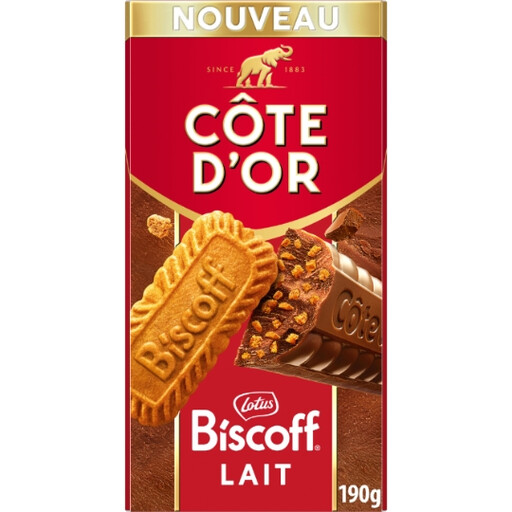 Image unavailable
A 190 g bar to break and share, combining milk chocolate with pieces of Lotus Biscoff biscuit. The product description lists milk, wheat and soya, and warns that it may contain traces of nuts. Check the packaging if these ingredients are a concern for you.
 Image unavailable
Three 100 g milk chocolate bars to share between several people. The product description lists milk, hazelnuts and soya, and warns that it may contain traces of other nuts and wheat. Check the packaging if you have an allergy.
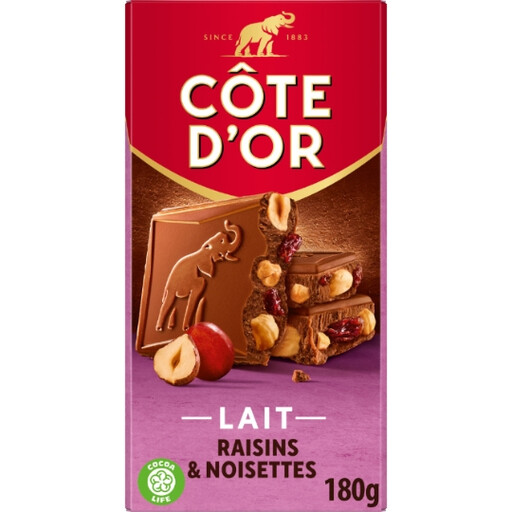 Image unavailable
An 180 g bar to break and share, with raisins and hazelnuts. The Joybuy listing states that it contains 13% whole hazelnuts and 11% sultanas. The description also lists milk and soya, and warns that it may contain traces of other nuts.
 Image unavailable
A 35 g mini bar for an individual dark chocolate break, with at least 70% cocoa. The description warns that it may contain traces of nuts, milk and soya. Check the packaging if you need to avoid these ingredients.
No. The levy described by the French Ministry of the Economy applies to sugary drinks, not chocolate bars. To choose between two bars, compare their sugars per 100 g and ingredients directly.
No. Santé publique France says that producers display it voluntarily; the European Commission states that a nutrition declaration is mandatory for the relevant prepacked foods. Whether or not a product carries Nutri-Score, check its nutrition information and ingredients.
Compare their nutrition information on the same basis, particularly per 100 g: energy, fat, saturates, carbohydrates, sugars, protein and salt. Also check the net weight, ingredients and allergens; a gift box may contain several recipes.
Follow the instructions on the packaging. For EXCELLENCE Dark 85%, Lindt recommends storing the opened bar in an airtight container in a cool, dry place; instructions may differ for other products.
No. The Côte d’Or Noir L’Original bar described by Carrefour France contains skimmed milk powder and soya, among other ingredients, and may contain nuts. If you need to avoid an allergen, check the ingredients and trace warnings for the product you’re buying rather than relying on the word ‘dark’ alone.