For a solo gaming snack, start with the net weight: a 35 or 47 g bar is more compact than a 90–100 g chocolate bar, from which you can choose to take just a few squares. Then decide between dark chocolate, milk chocolate with hazelnuts or a filled bar, depending on the texture you’re after. Don’t assume that the cocoa percentage alone tells you about the ingredients or nutritional quality. Check the sugars per 100 g, ingredients and allergens on the exact product.
Who is this guide for?
Solo gamers who want to control how much they open
If you’d rather not open a large chocolate bar for a single break, compare the net weights. The brands featured here include products weighing between 90 and 170 g; that weight doesn’t make them individual portions.
Fans of milk chocolate and hazelnuts
Milk chocolate with hazelnuts is a good choice if you’re after a crunchy texture. However, check the ingredients list and allergen information for the specific product you’re considering rather than relying on the brand name alone.
Shoppers who compare labels
If sugars, ingredients or allergens influence your choice, read the nutritional information per 100 g and check the full label. Nutri-Score can provide an additional point of comparison when it’s displayed.
What should you look at first?
For a solo break, first decide how much you want to open, then compare the recipes and their labels.
| What to consider |
What to check |
Who it matters to |
| Size and amount opened |
Compare the net weight and, if you plan to keep the rest, consider how you’ll store it after opening. |
I play solo and prefer a small bar to a chocolate slab with a large amount left over. Around 40% of shoppers would prioritise the size. |
| Ingredients and allergens |
Check sugars and energy per 100 g, the ingredients and allergen information; look at the Nutri-Score if it’s displayed. |
Before choosing a chocolate bar, I want to compare its recipe or spot an ingredient I need to avoid. Around 30% of shoppers would check this first. |
| Taste and texture |
Check whether it contains hazelnuts or a filling, and look at the cocoa percentage stated for that specific product. |
During my break, I’m mainly after crunchy hazelnuts, the taste of dark chocolate or a smooth, melting texture. This would be the main deciding factor for around 30% of shoppers. |
Which misconceptions should you avoid?
-
Assuming the ‘soda tax’ applies to chocolate bars
The contribution described by the French Ministry of the Economy applies to sugary drinks, not chocolate bars. It doesn’t tell you how much sugar a chocolate bar contains.
To compare two chocolate products, check the sugars per 100 g in their nutritional information.
-
Thinking Nutri-Score is compulsory
Manger Bouger explains that displaying it is voluntary. Its presence doesn’t replace the ingredients list or allergen information.
If it appears on the packaging, compare products in the same category, then read their labels.
-
Guessing allergens from the name or colour of the chocolate
A dark or filled chocolate bar may contain ingredients or carry precautionary allergen information that isn’t obvious from its name. Recipes can also vary within the same brand.
Check the ingredients list and allergen information for the exact product, particularly if you need to avoid an ingredient.
-
Assuming the bar’s weight is a pre-portioned serving
A 90 or 100 g chocolate bar is still a whole product, even if you buy it for a solo break.
Choose the net weight to suit how you plan to use it and, if you want to keep some for later, set aside the amount you want before you start playing.
Brands and ranges to know
These examples describe specific products; their recipes and sizes don’t represent every chocolate bar from each brand.
Milka
The whole-hazelnut milk chocolate featured by Carrefour France is sold in a pack of two 100 g bars.
- The recipe for this product contains 20% hazelnuts.
- It contains hazelnuts, milk and soya, among other ingredients; other nuts and wheat are listed as possible traces.
Lindt
The Lindor bars reviewed stand out for their smooth, melting centres: 150 g for the milk chocolate version and 145 g for the 70% dark version.
- The filling is a good choice if you’re after a smooth, melting texture rather than crunchy hazelnuts.
- Lindt France lists 44 g of sugars per 100 g for the Lindor Milk product reviewed. Check the allergens for each version: the two recipes aren’t interchangeable.
Côte d’Or
The products described by Carrefour France include a 100 g milk chocolate and hazelnut bar, and a 90 g organic 70% dark chocolate bar.
- The first contains 23% hazelnuts; the second has at least 70% cocoa.
- The organic 70% dark chocolate may contain nuts and milk. Check the information for the specific recipe you choose.
Nestlé Dessert
The Noir Dessert 70% featured by Carrefour France weighs 170 g and is intended in particular for baking.
- This size could suit you if you also plan to use the rest for cooking.
- It’s larger than the smaller sizes mentioned here; the product may contain nuts.
Carrefour Bio
The organic Noir 70% bar featured by Carrefour France weighs 200 g, making it better suited to sharing out than opening for a single break.
- Its ingredients list includes cocoa mass, cane sugar, cocoa butter and vanilla extract.
- Its net weight isn’t a serving size; decide how much you want to take from the pack.
Chocolate bars and slabs available on Joybuy
These products let you compare smaller dark chocolate or milk chocolate and hazelnut bars with 90–100 g chocolate bars for a solo gaming break. The focus here is on size and recipe, without treating a whole bar as a pre-portioned serving.
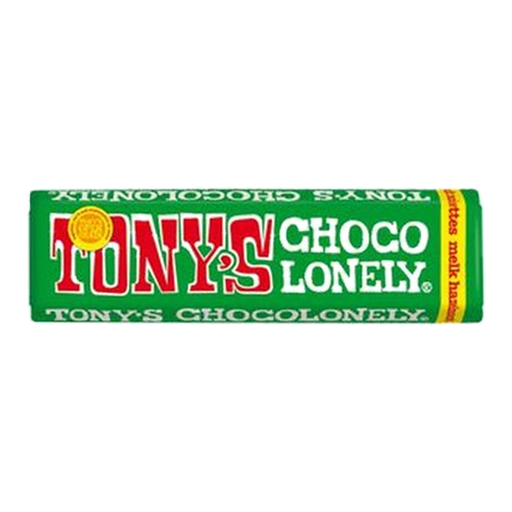 Image unavailable
TONY’S Milk Chocolate and Hazelnuts, 47 g
Worth considering if you’re looking for a compact milk chocolate and hazelnut bar for a solo break. The stated weight is 47 g; don’t mistake it for individually wrapped portions inside the pack. Check the full allergen and trace information on the exact bar.
View on Joybuy
 Image unavailable
LINDT Excellence Dark 70%, 35 g
The 35 g size is ideal if you want to open a small dark chocolate bar while gaming. The name states 70% cocoa; to compare sugars or check for potential allergens, read the label for this specific product rather than relying on that percentage alone.
View on Joybuy
 Image unavailable
POULAIN Dark Chocolate 70%, 100 g
This 100 g bar is for those who prefer dark chocolate and want to choose how much to take from the pack. The recipe information mentions maltitol and a warning about excessive consumption: read this warning and the allergen information on the exact packaging before choosing.
View on Joybuy
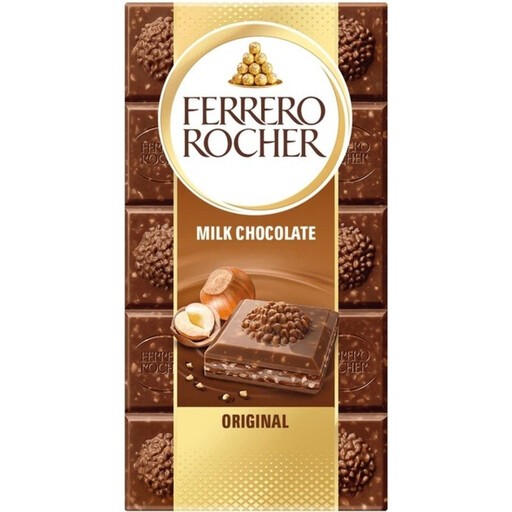 Image unavailable
Ferrero Rocher Original, 90 g bar
Worth a look if you’re after a hazelnut chocolate bar in a 90 g size. The information for this product lists milk, hazelnuts and soya, as well as possible traces of other nuts; check these details on the product if they affect your choice.
View on Joybuy
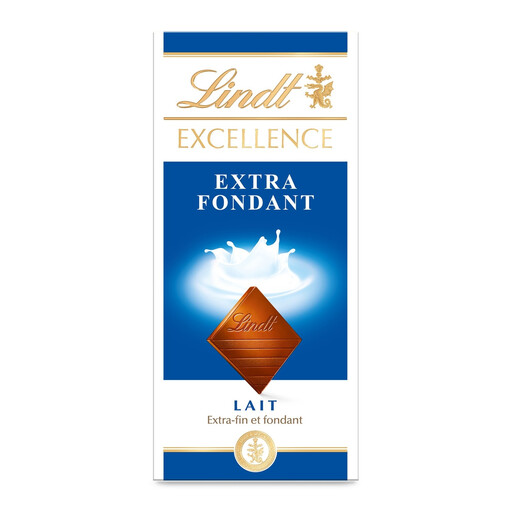 Image unavailable
LINDT Excellence Extra Creamy Milk, 100 g
This 100 g bar suits a preference for milk chocolate, as long as you decide how much to open for your break. The information for this product lists milk, lactose, barley and soya, among other ingredients: check the full label if you need to avoid any of these.
View on Joybuy
Frequently asked questions
Does the ‘soda tax’ apply to chocolate bars in France?
No. The contribution described by the French Ministry of the Economy applies to sugary drinks, not chocolate bars. To find out how much sugar a bar contains, check its nutritional information per 100 g.
Does a chocolate bar have to display Nutri-Score?
No. Manger Bouger explains that displaying it is voluntary. If it appears on the products you’re comparing, use it to compare products in the same category, while also checking the ingredients, allergens and nutritional values.
What should you read on the label before choosing?
For a pre-packed chocolate bar, check the ingredients list, highlighted allergens and nutritional information in particular. ANSES lists these among the details found on food labels; also read any precautionary allergen information if a particular allergen concerns you.
Is 70% dark chocolate always lower in sugar?
No: the cocoa percentage alone doesn’t tell you how much sugar a particular bar contains. Compare the sugars per 100 g on the labels of the products you’re considering, then take into account how much you plan to eat and any stated allergens.


