Anyone organising the coffee break
If you’re serving several people, the number of bars and the weight of each one matter just as much as the taste. A 50 or 51 g bar isn’t as practical for handing out as a pack of smaller portions.


For a coffee break during a meeting, first choose between individual bars and a pack of smaller portions, depending on how many people you need to serve. Taste and texture can help you decide between products, but check the allergens and nutritional information for the portion being eaten on each pack. A breakable wafer bar can be shared; a multipack is better suited to handing out individual bars.
If you’re serving several people, the number of bars and the weight of each one matter just as much as the taste. A 50 or 51 g bar isn’t as practical for handing out as a pack of smaller portions.
Fillings and ‘may contain’ warnings vary by product. Before offering a bar, check the exact packaging, particularly for milk, wheat, peanuts, soya, egg and nuts.
To see what you’ll be eating in a whole bar, check its weight and nutritional information per portion, including energy, sugars and saturated fat. You can then choose between a wafer, peanuts or nougat, depending on the texture you prefer.
For a meeting, first rule out any products that aren’t suitable for known allergies. Then choose a format that’s easy to serve and compare portion sizes. The table highlights needs that may take priority for different consumers.
| Criterion | What to check | Who it matters to |
|---|---|---|
| Format and serving | Count the bars and check the weight of each one: a pack of ten 21 g bars isn’t the same as a single 50 g bar. | If you’re serving several colleagues without having to break bars up, the number of available portions matters more than the texture. Around 27 % of consumers prioritise format and serving. |
| Allergens | Read the ingredients and ‘may contain’ warnings on the packaging of the product you’re buying. | If someone needs to avoid an ingredient, a bar that others enjoy may not be suitable for them. For around 33 % of consumers, ingredient suitability is the top priority. |
| Nutrition per portion | Compare the energy, sugars and saturated fat for the amount you plan to serve, as well as the figures per 100 g. | If I’m planning to eat a whole bar, the figures per 100 g alone don’t tell me what that portion contains. Around 27 % of consumers prioritise the figures per bar. |
| Texture and taste | Choose between a crunchy wafer, peanuts and caramel, or nougat and caramel, after checking for any relevant allergens. | When everyone can choose according to their own preferences, the difference between a crunchy and a softer texture may decide which product to pick. Around 13 % of consumers put texture and taste first. |
France’s Ministry of the Economy describes this levy as applying to sugary drinks, not chocolate bars. So it won’t help you choose between bars for a meeting.
Instead, look at a bar’s format, ingredients and nutritional information.
According to Santé publique France, displaying the Nutri-Score is voluntary. Its absence, on its own, tells you nothing about a bar’s ingredients.
If it appears on the packaging, use it alongside the nutritional information, ingredients list and allergen details for that specific product.
Product information from Snickers, KitKat, Carrefour and Mars lists allergens or possible traces that vary from one product to another. A flavour preference won’t make a bar suitable for someone with an allergy.
Check the packaging before handing out the bars, and provide an alternative if participants’ needs call for one.
A single bar and a multipack don’t contain the same number of portions, and the weight per portion may differ too. Carrefour, for example, sells a pack of ten 21 g bars.
Before buying for your meeting, compare the number of bars, their individual weight and the total pack weight.
Snickers France lists a 50 g Single bar combining peanuts, caramel and chocolate.
KitKat France describes its Milk Chocolate bar as a crunchy wafer covered in milk chocolate.
Carrefour lists a 51 g Mars bar with nougat, caramel and milk chocolate.
The retailer sells, among other products under its own brand, a pack of ten 21 g milk chocolate bars.
E.Leclerc has a Marque Repère range of chocolate bars and chocolate bites.
Carrefour’s chocolate bar range includes mini caramel Twix bars.
This selection includes individual bars with peanuts, nougat or caramel, a small milk chocolate bar with caramel and sea salt, and a pack of six wafer bars. If you’re serving a group, distinguish between the number of bars in the pack and the weight of each one.
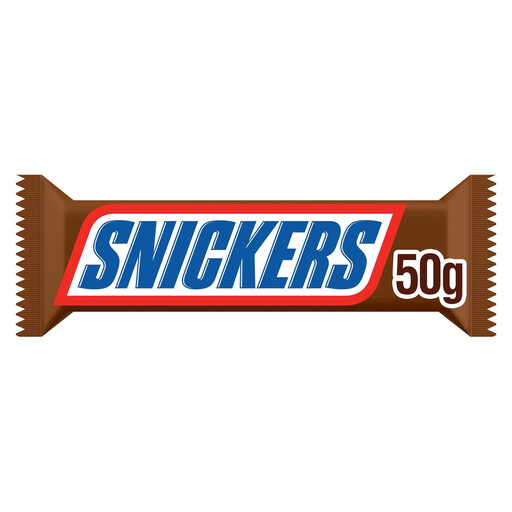 Image unavailable
An individual bar for anyone who enjoys the combination of peanuts, caramel and chocolate. It weighs 50 g; check the exact packaging for allergens before offering it to other participants.
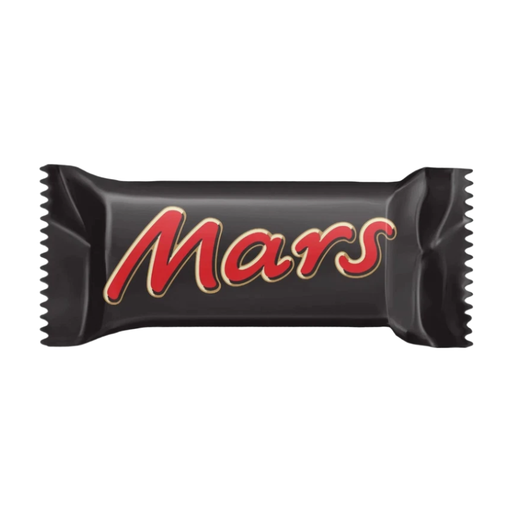 Image unavailable
An individual bar for anyone who prefers nougat, caramel and milk chocolate. The stated weight is 51 g; check the packaging for allergens and nutritional information for the bar.
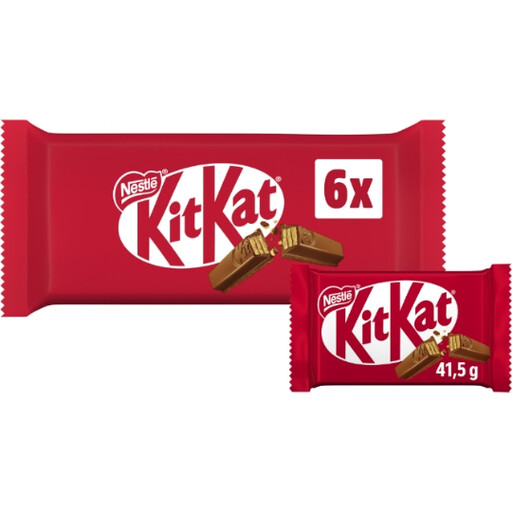 Image unavailable
This pack of six wafer bars gives you several portions, but it isn’t a single bar. Check the pack to see whether the bars are individually wrapped, and look at the allergens and nutritional information per bar.
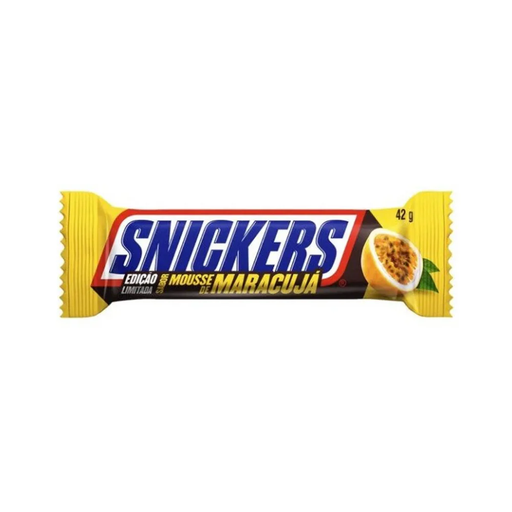 Image unavailable
An individual 42 g bar if you’d like to offer this flavour instead of the Snickers peanut and caramel variety. Check the ingredients, allergens and nutritional information on the packaging for this variant.
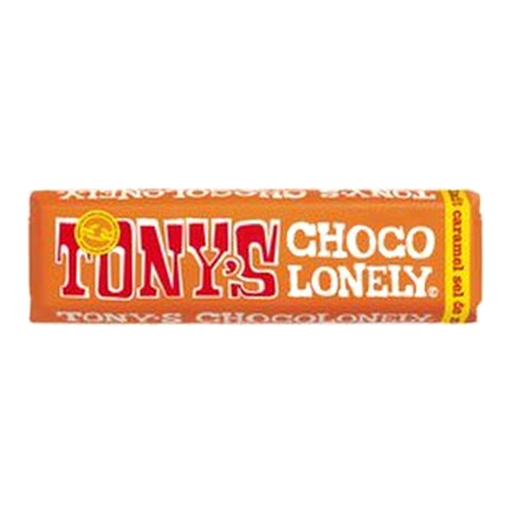 Image unavailable
This 47 g milk chocolate bar is for anyone who enjoys the combination of caramel and sea salt. To compare it with the other portions at your coffee break, check the per-bar nutritional information and allergens on the packaging.
No, not the levy discussed here. France’s Ministry of the Economy describes it as a levy on sugary drinks; it isn’t a rule that applies when choosing a chocolate bar.
No. Santé publique France explains that producers display the Nutri-Score voluntarily. The European Commission distinguishes this logo from the information required for prepacked foods, including nutrition declarations and allergen information.
Before serving the bar, check the ingredients, declared allergens and any ‘may contain’ warnings on the exact packaging. Ingredients and possible traces vary between products and variants.
Use the figures per 100 g to compare products on a like-for-like basis, then check the figures per bar to see what’s in the portion you plan to eat. Check the weight of each bar too: the formats featured here aren’t all the same.