What should you check before buying?
When planning a break at a festival or on a camping trip, first check whether anything rules out a particular recipe, then consider how much you’ll actually take with you.
| What to check |
Look out for |
Who is this useful for? |
| Allergens and ‘may contain’ warnings |
Read the ingredients and any ‘may contain’ warnings on the packaging of the exact product. |
If I need to avoid an ingredient or certain traces, a recipe that contains them isn’t suitable for my break. Around 29% of consumers say avoiding these ingredients is their top priority. |
| Sugar and amount eaten |
Compare sugar per 100 g, then per portion if this value appears on the label; check the portion weight too. |
When planning my supplies, I want to know what’s in a whole bar, not just a value calculated per 100 g. This is the top priority for around 29% of consumers. |
| Individual bar or multipack |
Check the number of bars and their weight, as well as the stated pack format. |
Taking one bar in my bag for a single break is different from buying several portions to share out. Pack format is the top priority for around 24% of consumers. |
| Supplies to collect in store |
If you’re buying from a retailer, check availability at your chosen store and how many bars are in the pack. |
Before setting off, I want to be able to collect the portions I’ve planned for the trip. Around 18% of consumers put this aspect of organising their shopping first. |
Chocolate bars on Joybuy
This selection includes two smaller chocolate bars and a multipack of mini bars for several breaks. If you want to buy a single bar to take with you, check the exact pack format before choosing.
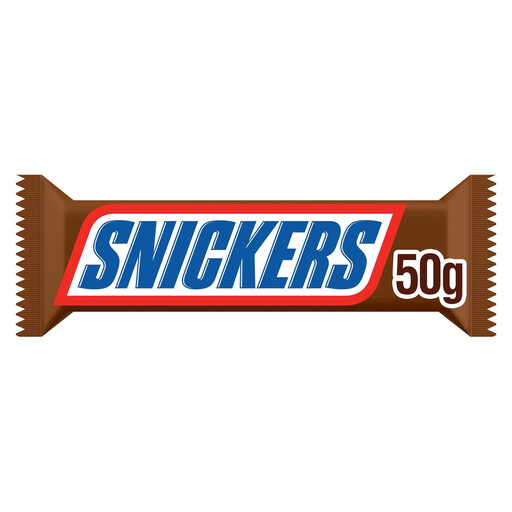 Image unavailable
Snickers milk chocolate, caramel and peanuts 50 g
Worth considering for a 50 g break if a peanut recipe suits you. The product listing also mentions milk, soya and egg, and says it may contain tree nuts. Check the label if you need to avoid these allergens. Make sure the pack contains the individual bar you want to take with you.
View on Joybuy
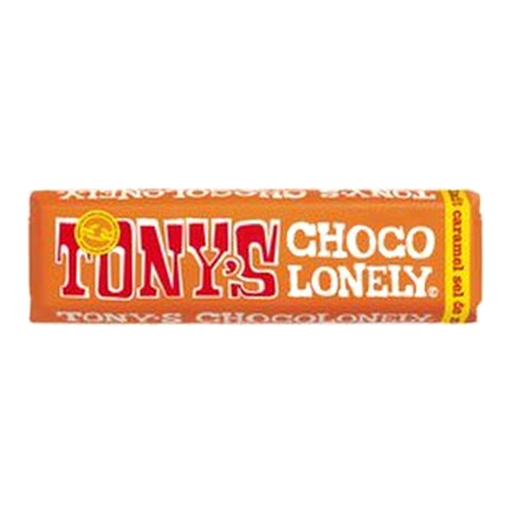 Image unavailable
TONY'S milk chocolate, caramel and sea salt 47 g
Worth a look if you’re after a 47 g bar with caramel and sea salt. To compare the sugar content for your break, start with the values per 100 g and check the nutritional information on the packaging. Also check how many bars are in the pack and the allergen warnings for the product you’re buying.
View on Joybuy
 Image unavailable
Nestle KitKat Strawberry Short Cake, 9 pieces, 104.4 g
This multipack of nine pieces is suited to several breaks rather than buying a single bar. If you’re planning to share them, check the individual wrapping on the pack. Also check the label for the sugar, saturated fat and allergens in this variant, rather than assuming it has the same values as another KitKat product.
View on Joybuy
Frequently asked questions
Does the ‘sugar tax’ apply to chocolate bars in France?
No. The contribution outlined by the Ministry of the Economy applies to sugary drinks, not specifically to solid chocolate bars. To assess a bar, check its nutritional information, particularly the sugar content.
Does a chocolate bar have to display a Nutri-Score?
No. According to the European Commission, simplified front-of-pack nutrition labelling is voluntary under current EU rules. Nutrition declarations are still required for the vast majority of prepacked foods, so check this information even if there’s no Nutri-Score.
How do you compare the sugar content of two bars in different sizes?
First compare the values per 100 g, then check the weight of the portion you’ll eat. The French listing for Snickers Original Single gives 52 g of sugar per 100 g and 26 g for its 50 g bar; the listing for KitKat Milk Chocolate gives 45.7 g per 100 g and 19 g for the portion shown on its own product page. Check the pack size before comparing the per-portion values.
How should you store chocolate bars in a camping bag?
Follow the storage instructions for each product. For Snickers Original Single, the brand recommends storing it in a cool, dry place away from light. Keep the packaging so you can check the ingredients, allergens and best-before date before eating it.
Is an online product listing enough to check allergens?
Use it to shortlist a recipe, then read the packaging of the product you actually buy. This is particularly important if you need to avoid an ingredient or a stated trace.


