People looking for proof of fair trade
If fair trade is important to you, check the claim or certification on the specific product. Find out which ingredients it applies to rather than relying solely on a brand’s general commitment.


For an afternoon break, choose a product whose fair trade claim clearly states what it covers, then compare the nutrition information per 100 g with the amount you plan to eat. An individually wrapped bar is handy if you want something ready to eat; a sharing-sized bar lets you choose your portion, but you’ll need to plan it yourself. In either case, check the allergens for the exact recipe.
If fair trade is important to you, check the claim or certification on the specific product. Find out which ingredients it applies to rather than relying solely on a brand’s general commitment.
A bar and a sharing-sized block aren’t portioned in the same way. The amount you plan to eat, considered alongside the nutrition information per 100 g, will help you compare recipes.
Ingredients and ‘may contain’ warnings vary by recipe. Read the information for the product you’ve chosen, particularly if you need to avoid milk, soya, peanuts, tree nuts, eggs, wheat or gluten.
When choosing chocolate for a break, start with what matters most to you, then check the fair trade claim, portion size and ingredients for the product you’re considering.
| What to check | Look for | Who is it for? |
|---|---|---|
| Proof of fair trade | The certification or claim on the product, and which ingredients it applies to. | If I’m looking for fair trade cocoa, I want to be able to link that promise to the recipe I’m buying. Around 45% of consumers prioritise this proof of fair trade. |
| Ingredients and portion size | Sugars and other nutrition information per 100 g, followed by the weight of the bar or the portion of the sharing-sized bar you plan to eat. | For my break, I want to know how much I’ll eat and compare recipes on a like-for-like basis; around 33% of consumers prioritise ingredients and portion size. |
| Allergens | The ingredients list and any ‘may contain’ warnings for the exact recipe. | If I need to avoid certain ingredients, a fair trade label doesn’t tell me whether the product meets that requirement. Checking allergens is a priority for around 22% of consumers. |
The contribution described by Légifrance applies to drinks and liquid preparations for drinks, not solid chocolate bars. So it can’t help you choose between these products.
To compare two bars, look instead at their nutrition information and how much you plan to eat.
The French Ministry of the Economy says that displaying Nutri-Score is optional. Its absence alone tells you nothing about a bar’s nutritional composition.
If it is displayed, use it alongside the nutrition declaration. In particular, compare the values per 100 g with your portion.
A brand’s claim about its cocoa doesn’t necessarily explain what the claim on each product or ingredient covers.
Check the logo or claim on the bar or sharing-sized bar you’ve chosen, along with any details about the proportion that is certified.
A fair trade recipe may contain allergens or carry a ‘may contain’ warning. This information depends on the product.
Read the ingredients list and warnings for the exact product, even if you’re already familiar with the brand.
An option for anyone looking for a ready-to-eat chocolate bar with a Fairtrade claim covering its cocoa.
Organic, fair trade chocolate bars that you can break into portions for your break.
An organic, fair trade chocolate option if you’re happy to portion a sharing-sized bar rather than choose an individually wrapped bar.
A range of sharing-sized bars to consider if you’re happy to break off a portion for your break.
This selection features a milk chocolate and hazelnut bar for an afternoon break. If the Fairtrade/Max Havelaar label is a must-have, check that it appears on the specific product before you choose.
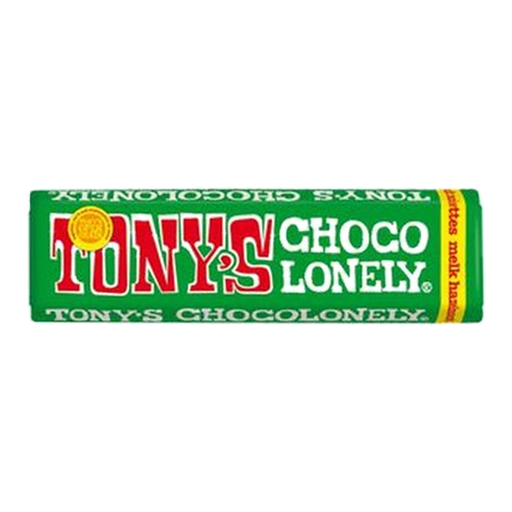 Image unavailable
This bar is a handy choice for a break if you’d rather have a 47 g portion than break pieces off a sharing-sized bar. Its description uses the words ‘fair trade’: check the packaging for the exact label, which ingredients it applies to and any allergen warnings.
Look for the Fairtrade/Max Havelaar logo or a clear claim that applies to the specific product on its packaging or official product page. Check which ingredients it covers: a fair trade initiative with a different name shouldn’t be presented as the same certification.
Choose an individually wrapped bar if you want a ready-to-eat portion; a sharing-sized bar is a good choice if you’d rather decide how many pieces to have. Either way, compare the amount you plan to eat with the nutrition information per 100 g, and check the recipe’s ingredients.
No. The French Ministry of the Economy says that Nutri-Score is optional in France. The Directorate General for Competition, Consumer Affairs and Fraud Control (DGCCRF) states that the prepacked foods concerned must carry a nutrition declaration. Use the values to compare products, whether or not the logo is displayed.
No. Solid chocolate bars don’t fall within the scope of the contribution described by Légifrance, which applies to drinks and liquid preparations for drinks. To check how much sugar a bar contains, look at the nutrition declaration for the specific product.
Max Havelaar France says that certified products are available through a range of retailers, including supermarkets and specialist shops. However, check that the product you’re interested in carries the label and is available at your chosen retailer.