Anyone setting a limit for each break
If the amount you eat while revising is your top priority, check the kcal in the whole bar or planned portion before comparing figures per 100 g.


To keep track of the energy you consume during a revision break, start by comparing the kcal in the portion you’ll eat, then check the figures per 100 g. A smaller bar may contain fewer kcal without being less energy-dense. If you’re considering a protein bar or want to keep an eye on sugars, check the exact size, ingredients and allergens too. A classic chocolate bar is still an option if its recipe suits you and its portion matches what you’ve chosen.
If the amount you eat while revising is your top priority, check the kcal in the whole bar or planned portion before comparing figures per 100 g.
A chocolate protein bar could be worth considering. Check its ingredients list too: the products featured contain sweeteners or allergens that may affect your choice.
If you prefer a chocolate wafer or a chocolate, caramel and peanut recipe, an individually wrapped bar makes it easy to see how much you’re planning to have during your break. However, that alone doesn’t mean it’s low in energy.
For a revision-break snack, start with the portion you’ll actually eat, then compare it with the figures per 100 g and the ingredients list.
| What matters to you | What to check | Who is it for? |
|---|---|---|
| Energy for your break | Weight of the individual bar, kcal per portion and kcal per 100 g. | I want to know what’s in the bar I’m planning to eat, without confusing a small size with low energy density. Around 36% of consumers put this per-break limit first. |
| Sugars and protein recipes | Sugars per portion and per 100 g; ingredients and allergens. | If I’m comparing a protein recipe with a classic bar, sugars aren’t my only consideration: I also need to be happy with the ingredients. This is a priority for around 29% of consumers. |
| Classic recipes and portion size | Kcal in the whole bar and number of bars in the pack. | I prefer a familiar recipe, but I want to decide how much to have before my break. Around 21% of consumers prioritise this combination. |
| Labelling and ingredients | Nutrition information, ingredients list and allergens; Nutri-Score if shown on the product. | Before choosing, I need to check that the recipe suits my ingredient requirements and understand the figures shown. This is the main consideration for around 14% of consumers. |
According to the E.Leclerc product page, a pack of GRAINEA contains six bars weighing 126 g in total and provides 401 kcal per 100 g. That means one bar of around 21 g contains about 84 kcal, by calculation. The low total per bar is partly down to its small size.
Compare the kcal in the amount you’ll eat with the kcal per 100 g, especially if you’re choosing between two sizes.
The European Commission states that front-of-pack nutrition information is voluntary under the current European Union framework. So, the absence of a Nutri-Score doesn’t mean that a pre-packed bar is non-compliant.
If it’s displayed, consider it alongside the nutrition figures, portion size and ingredients rather than relying on it alone to make your decision.
The contribution described by Légifrance applies to drinks and liquid preparations for drinks. It can’t be used to assess a solid chocolate bar based on its sugar content.
To compare bars, check their nutrition information and ingredients lists directly.
The JOYFUEL dark chocolate and hazelnut bar featured by Carrefour contains maltitol, milk proteins, soya and hazelnuts, among other ingredients. The product category name alone won’t tell you whether those ingredients suit your needs.
Check the allergens, sweeteners and exact weight of the bar being sold before comparing its figures per portion.
The 55 g dark chocolate and hazelnut protein bar is a useful point of comparison if you’re looking at both energy per 100 g and ingredients.
This dark chocolate cereal bar is another type of chocolate snack to consider if the weight of each bar matters to you.
The Milk Chocolate Wafer bar lets you compare a manufacturer-stated portion with a classic chocolate recipe.
The 50 g Single chocolate, caramel and peanut bar gives you a reference point for a whole classic bar.
This chocolate, peanut and caramel bar may appeal if you’re comparing sugars and protein, but make sure you confirm the size being sold.
These products include a classic chocolate bar and other snack formats containing chocolate. The weight stated in the name can help you compare portions. However, a nut bar, fruit bar or chocolate biscuit sticks aren’t the same type of product as a classic chocolate bar.
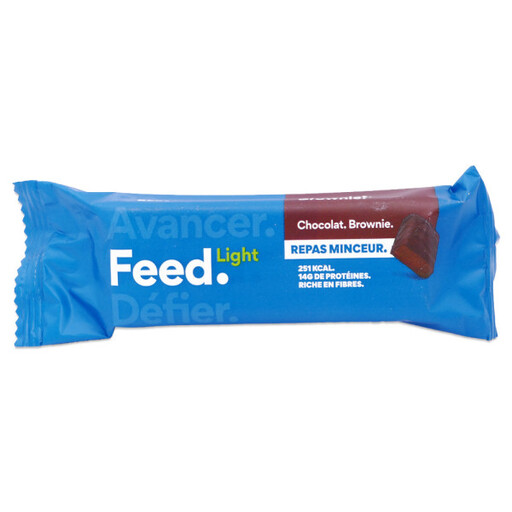 Image unavailable
Worth considering if you’re thinking of having a 70 g chocolate bar during your break. Compare the energy in the whole bar, not just the figures per 100 g. Check the ingredients list too if sweeteners matter to you.
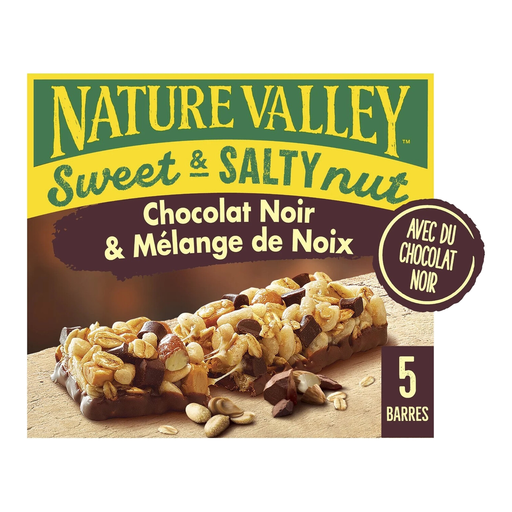 Image unavailable
This pack of five 30 g bars could suit you if you want to decide on a portion before your break. It’s a nut and dark chocolate bar, rather than a classic chocolate bar. Check the ingredients and the kcal in the bar you’ll eat.
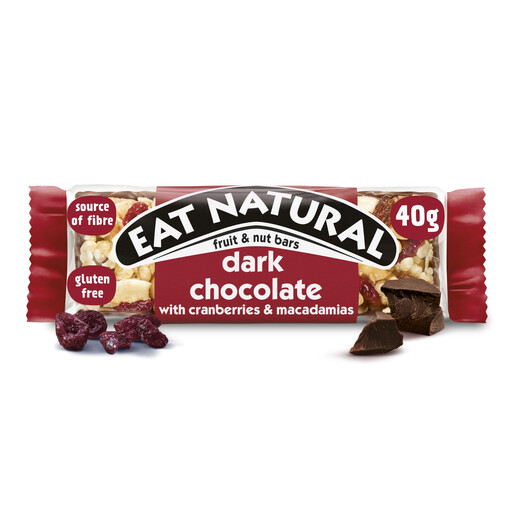 Image unavailable
This 40 g fruit bar with dark chocolate gives you another snack size to compare for revision breaks. Check the kcal in the whole bar and its ingredients before comparing it with a classic chocolate bar.
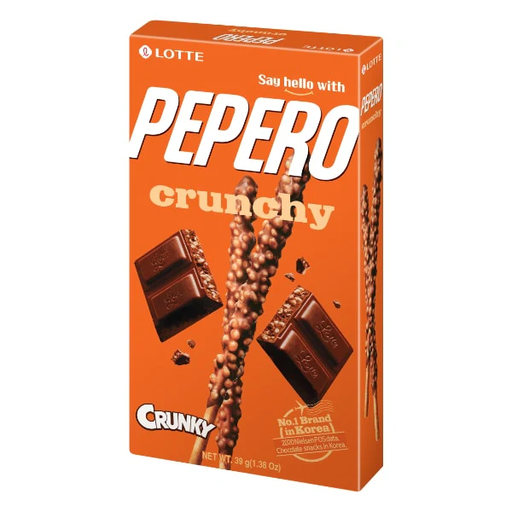 Image unavailable
If you prefer chocolate biscuit sticks to a bar, the 39 g pack gives you a set amount to consider. To compare this snack with others, check the kcal in the whole pack and the figures per 100 g.
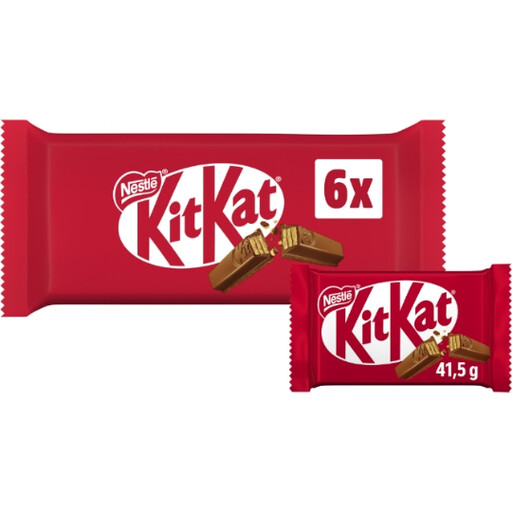 Image unavailable
This pack of six 41,5 g milk chocolate bars makes it easy to plan on having one during your break. If you choose this classic recipe, compare the energy in each bar with the other portions you’re considering. Individual wrapping doesn’t mean the recipe is low in energy.
First compare the kcal in the amount you’ll eat, then check the kcal and sugars per 100 g. As examples for the specific products featured, E.Leclerc lists 401 kcal per 100 g for GRAINEA, which works out at about 84 kcal for a 21 g bar, while KitKat France lists 213 kcal per portion for its Milk Chocolate bar.
No. Compare the specific products and the amount you’ll actually eat. The Carrefour product page for JOYFUEL dark chocolate and hazelnut lists 369 kcal per 100 g, compared with 514 kcal per 100 g for the Milk Chocolate bar listed by KitKat France. These figures don’t apply to all protein bars or all classic bars.
Check the nutrition information against the exact weight of the bar, then read the ingredients and allergens. The JOYFUEL dark chocolate and hazelnut bar featured by Carrefour contains maltitol, milk proteins, soya and hazelnuts, among other ingredients. For the FULFIL bar featured, check the size on the packaging too, as the Carrefour product page mentions both 40 g and 55 g.
No. According to the European Commission, front-of-pack nutrition information remains voluntary under the current European Union framework, while nutrition declarations are compulsory for most pre-packed foods. You can still check the nutrition information if there’s no Nutri-Score.
No. The contribution described by Légifrance applies to drinks and liquid preparations for drinks, not to a solid chocolate bar just because it contains sugars. When choosing a bar, compare its portion size, nutrition information and ingredients instead.