Organisers looking for smaller portions
You want to hand out one bar per person and compare the calories in that individual bar, without assuming that a smaller confectionery bar has a lower-calorie recipe.


For a conference break, start by checking the calories in the individual bar you’ll actually be handing out, then check the sugars and allergens for the exact product. A small, classic chocolate bar helps you control portion size, but that doesn’t make it a low-calorie product. A protein bar may suit you if keeping sugars low is a priority, while a meal-replacement bar is better suited to a break that’s intended to replace a meal.
You want to hand out one bar per person and compare the calories in that individual bar, without assuming that a smaller confectionery bar has a lower-calorie recipe.
You’re prioritising the amount of sugars per bar, while checking calories, ingredients and any sweeteners separately.
You need to know the ingredients in each product before handing it out, and make sure the labelling is accessible to participants. The DGCCRF reminds businesses that allergenic ingredients must be highlighted on the label.
First decide how much you plan to serve each person. Values per 100 g let you compare recipes, while values per bar tell you about the portion you’ll be handing out.
| What matters | What to check | Who this matters to |
|---|---|---|
| Calories per portion | Weight and calories of the bar you’ll serve; number of bars planned per person. | If everyone gets a bar, I want to know the calories in that portion before choosing its size. Around 40% of consumers reportedly make calorie control their priority. |
| Sugars | Sugars per bar and per 100 g; ingredients, including any sweeteners. | When my main aim is to limit sugars, I don’t want to confuse this figure with calories. Around 30% of consumers reportedly prioritise this. |
| Allergens and serving | Ingredients and allergen information for the exact product; how easy the packaging is to read when serving. | When serving a group whose dietary requirements may vary, I need to be able to identify the ingredients before handing out the bars. Around 30% of consumers reportedly put allergen management and serving first. |
The size of a bar and its energy value per 100 g answer two different questions. Carrefour’s listing for a 50 g Snickers bar gives 244 kcal per bar; a KitKat product listing gives 510 kcal per 100 g.
Decide how much you’ll serve, then compare calories per bar and per 100 g for the exact products you’re considering.
Under the relevant legal conditions, the levy described by Légifrance applies to drinks and liquid preparations for drinks. A solid chocolate bar isn’t subject to this levy simply because it contains sugars.
Check the sugars in the bar’s nutritional information, rather than using this levy as a selection criterion.
The French Ministry of the Economy explains that displaying it is optional in France. Its absence alone isn’t enough to judge a bar. The DGCCRF, however, states that prepacked foods in scope must carry a nutrition declaration.
Whether or not a logo is shown, read the nutritional information and ingredients list for each product.
Auchan’s listing for the Fulfil Chocolate-Hazelnut bar mentions milk, hazelnuts, soya and peanuts, among other ingredients. So even if the sugar content meets your criteria, that doesn’t mean the bar is suitable for everyone attending.
Keep the labelling accessible and check known dietary requirements before choosing a product or another option.
These examples illustrate different types of bars. The values and ingredients mentioned apply to the specific products listed, not to the entire range.
Classic chocolate bars to consider for a treat during a break, with the portion clearly defined. Don’t assume they’re inherently lower in calories.
A range of chocolate-covered wafers, with individually wrapped portions that can make handing them out easier.
The Chocolate-Hazelnut protein bar is worth considering when sugars per bar are your main priority.
A meal-replacement bar, which is different from a small bar handed out as a simple snack.
For a conference, these options include a protein bar, chocolate wafer pieces and a fruit and dark chocolate snack bar. Compare the exact portion sizes and packaging before making your choice.
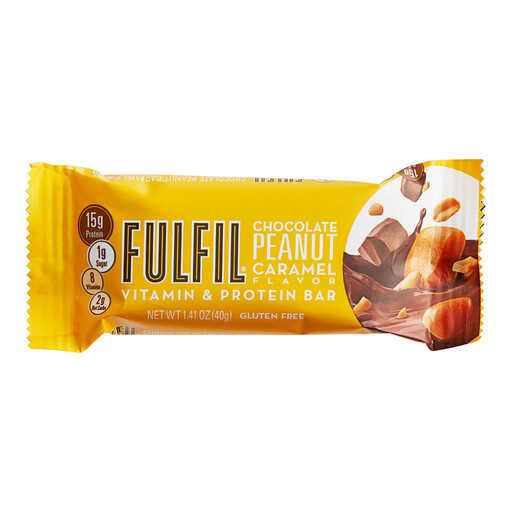 Image unavailable
Worth considering if sugars per bar are your main priority, while still keeping an eye on the calories in each portion. The listing for this product mentions milk, soya and peanuts, so check participants’ dietary requirements. The title says 3x40g, while another description gives a different pack size. Confirm how many bars you’ll receive before planning how to hand them out.
 Image unavailable
The individual pieces may suit you if you plan to hand out one per person. Check the sugars on the packaging for this flavour before comparing it with other bars. The ingredients listed for this product include milk, wheat and soya. Make sure the labelling is accessible when serving.
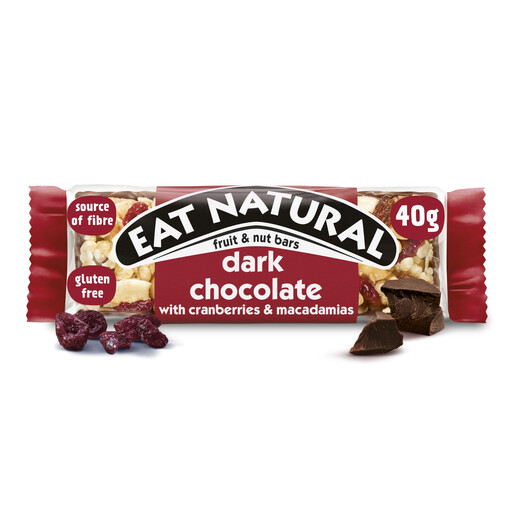 Image unavailable
This fruit and dark chocolate snack bar can be compared with the other portions you’re planning for the break; it isn’t a classic chocolate confectionery bar. The information for this product mentions soya and macadamia nuts, and states that it may contain traces of other nuts and peanuts. Confirm that it’s individually wrapped before setting up self-service.
No. A solid chocolate bar isn’t, in itself, covered by the levy described by Légifrance for drinks and liquid preparations for drinks that meet the legal conditions. Check the bar’s sugar content to help you choose a product, not to determine whether the levy applies.
No. The French Ministry of the Economy states that displaying the Nutri-Score logo is optional in France. When comparing prepacked foods, use their nutritional information. The DGCCRF states that products in scope must carry a nutrition declaration.
To work out what each participant will receive, start with the calories in the individual bar you’ll actually be handing out. The value per 100 g then lets you compare recipes regardless of bar size. Check sugars per portion too if that matters for your event.
Keep the labelling for each product accessible and check the ingredients before putting the bars out. The DGCCRF reminds businesses that allergenic ingredients must be highlighted. Check the information on the exact packaging, especially if you’re offering several recipes.
No. Sugars and calories are two separate values to compare. Auchan’s listing for the 55 g Fulfil Chocolate-Hazelnut bar gives 1.1 g of sugars per bar, but that figure alone doesn’t tell you whether it fits the calorie limit you’ve set for your break.