People looking for a post-workout snack
If you want to know how much protein you’re getting, check the number of grams listed per serving. A regular chocolate bar and a bar with a stated protein content may not meet the same needs.


If a post-workout snack is your priority, choose a bar that states its protein content per serving. Don’t assume that the word ‘protein’ alone means it will suit your needs. When choosing bars to share over coffee, taste, size and allergens may matter more; compare the sugar, energy and serving sizes too.
If you want to know how much protein you’re getting, check the number of grams listed per serving. A regular chocolate bar and a bar with a stated protein content may not meet the same needs.
When comparing bars to serve, check the serving size, sugars and nutritional information. Nutri-Score can offer an additional point of reference if it appears on the packaging.
Before sharing, check the ingredients, allergens and ‘may contain’ warnings for each product. Carrefour France and SNICKERS France product information, for example, describes bars containing nuts, peanuts or dairy ingredients.
When choosing bars to enjoy with friends over coffee, start with everyone’s main needs: clearly stated protein content, a way to compare sugars, or a bar the group can share with allergies in mind.
| Criteria | What to check | Who it’s for |
|---|---|---|
| Protein per serving | Check the grams of protein and the bar’s weight; don’t infer the amount from the product name alone. | After a workout, I want to know what’s in my snack before choosing it; around 37% of consumers put protein per serving first. |
| Sugars and nutritional information | Compare sugars and energy on the same basis, per bar or per 100 g. Check the Nutri-Score if displayed. | With my coffee, I want to compare sugars without losing sight of the serving size; this is the priority for around 36% of consumers. |
| Sharing and allergens | Check the ingredients, allergens, ‘may contain’ warnings and number of servings. | When I bring bars for a group, I want to take everyone’s allergies into account while offering a flavour they’ll enjoy; sharing and these dietary requirements come first for around 27% of consumers. |
A product name doesn’t tell you how many grams of protein you’ll get from a bar. Regulation (EC) No 1924/2006 governs the ‘high protein’ claim according to the proportion of energy provided by protein, not your personal post-workout target.
Check the protein per serving, then the bar’s weight and the other nutritional information.
The French Ministry of the Economy describes this levy as applying to sugary drinks. It therefore doesn’t classify chocolate bars according to their sugar content.
Instead, compare the grams of sugar shown on the packaging, using the same basis.
According to Santé publique France, producers display Nutri-Score voluntarily. Its absence doesn’t tell you anything about a bar’s nutritional quality.
If it’s displayed, use it as one point of reference alongside the nutritional information. If not, check the nutrition table and ingredients list.
Some bars listed by Carrefour France and SNICKERS France contain allergens or carry ‘may contain’ warnings. The product information for the PowerBar Protein Plus Bar 30% also warns that excessive consumption may have a laxative effect.
Ask about allergies before coffee, keep the packaging to hand and offer an alternative if needed.
A range worth looking at if protein per serving is an important factor when choosing a post-workout snack.
The chocolate bar listed comes in a pack of four 32 g bars, a format to consider for sharing.
The 50 g chocolate, caramel and peanut bar described by SNICKERS France suits a particular taste preference; it’s a different choice from one based on a verified protein content.
This selection includes a 55 g chocolate and peanut bar and two 100 g FEED bars presented as meal formats. If you’re sharing over coffee, take these serving sizes into account before comparing their nutritional information.
 Image unavailable
An individual format to consider if you’re looking for a post-workout snack. Compare the protein and sugars per bar on the packaging. Before sharing, check for information about milk, peanuts, soya and possible traces.
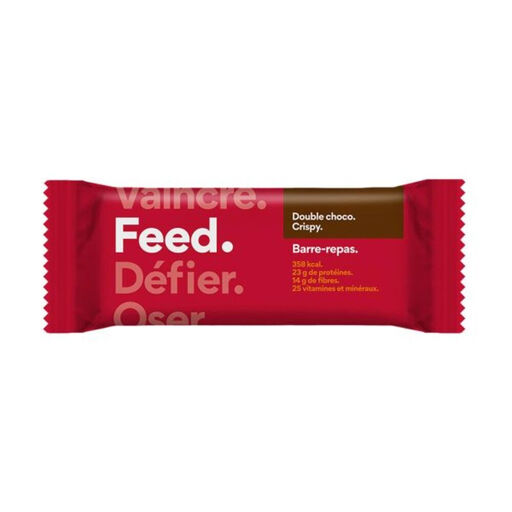 Image unavailable
This 100 g bar is presented as a meal format rather than a small portion to serve with coffee. If you’re comparing it with a smaller bar, use the nutritional values per 100 g and check for information about gluten, milk and possible traces.
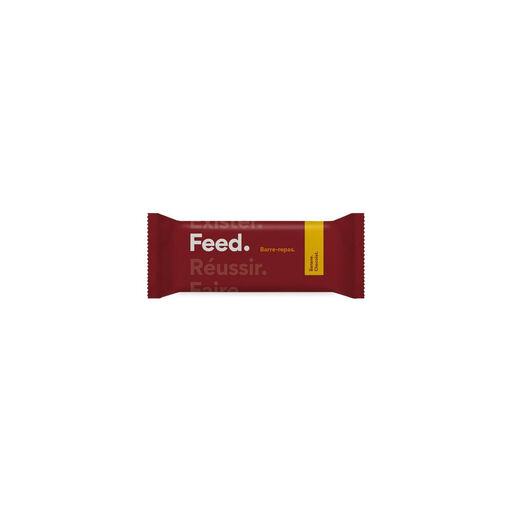 Image unavailable
The banana and chocolate flavour offers another option among the 100 g bars presented as meal formats. Bear this serving size in mind when sharing over coffee, and check the packaging for nutritional information and details of gluten, milk and possible traces.
No. This claim alone doesn’t tell you whether the serving size meets your needs. Regulation (EC) No 1924/2006 links it to the proportion of energy provided by protein; also check the grams per bar, serving size and ingredients.
No. Santé publique France explains that producers display it voluntarily. If it appears on a bar, you can consider it alongside the other nutritional information; if it doesn’t, you should still read the label.
No. The French Ministry of the Economy says this levy applies to sugary drinks, not solid chocolate bars. To compare bars, check their sugar content per serving or per 100 g, using the same basis.
First ask if anyone needs to avoid an ingredient, then check the allergens and ‘may contain’ warnings on each pack. The Carrefour Sensation and PowerBar products listed by Carrefour France carry different information, so don’t assume the details for one bar apply to another.