People looking for Fairtrade cocoa
You want to be able to identify Fairtrade certification on the bar you choose, rather than relying on the brand name alone or a general sustainability claim. Check the exact product on the packaging.


If Fairtrade certification for cocoa is your main priority when choosing something to enjoy with your coffee, choose a bar whose specific product packaging clearly displays a Fairtrade statement or logo. Another cocoa label isn’t enough to establish that it has this status. Then compare the serving size, sugars, ingredients and allergens. If the packaging displays a Nutri-Score, use it as an additional guide, not as a substitute for this information.
You want to be able to identify Fairtrade certification on the bar you choose, rather than relying on the brand name alone or a general sustainability claim. Check the exact product on the packaging.
You want to compare bar sizes and nutritional information, particularly the sugar content. According to Santé publique France, displaying the Nutri-Score is voluntary, so its absence doesn’t prevent you from checking the nutritional declaration.
Check the ingredients and any ‘may contain’ statements for each variant before serving or eating it. The DGCCRF reminds shoppers that allergenic ingredients must be declared and highlighted on the labels of pre-packed foods.
For a coffee break treat, check cocoa certification, portion size and ingredients separately: none of these tells you anything definitive about the others.
| What to check | What to look for | Who it matters to |
|---|---|---|
| Fairtrade certification | Look for the Fairtrade logo or statement on the exact product. Distinguish it from other cocoa initiatives. | If fair trade is central to my purchase, I want to be able to identify it on the bar itself before choosing it. Around 46% of consumers rank verifiable certification as their top criterion. |
| Portion size and nutritional information | Compare similar products by sugar content per 100 g and, where available, per serving. Check the bar size too. | When I have a coffee, I want to know what the portion I’m going to eat amounts to, rather than relying on the packaging alone. Nutritional comparison and portion size are the main criteria for around 36% of consumers. |
| Allergens | Read the highlighted allergens in the ingredients list and check for any ‘may contain’ statements for the variant you’ve chosen. | If a recipe needs to be suitable for someone with allergies, taste and certification don’t replace checking the label. For around 18% of consumers, allergen suitability comes before other criteria. |
A Carrefour listing for a KitKat product mentions Rainforest Alliance-certified cocoa using the mass balance method. This doesn’t make that product Fairtrade, nor does it provide information about every KitKat bar.
If Fairtrade certification is a condition of your purchase, look for the statement or logo on the packaging of the specific product.
According to Santé publique France, displaying the Nutri-Score is voluntary. Its absence alone doesn’t tell you whether a bar is nutritious.
Read the nutritional values, ingredients list and serving size. Use the Nutri-Score as an additional guide when it’s displayed.
The scale published in the Bulletin officiel des finances publiques-Impôts applies to non-alcoholic drinks, not solid chocolate bars. It therefore isn’t useful for comparing their sugar content.
To compare bars, check the sugar content in the nutritional information for each one.
Ingredients vary between products. Carrefour’s listing for Snickers Creamy, for example, highlights peanuts, milk and soya, as well as possible traces of egg and nuts.
Check the packaging of the variant you buy, including any ‘may contain’ statements that are relevant to you.
Wafer bars for anyone looking for a crunchy texture to enjoy with their coffee.
Recipes combining chocolate, caramel and peanuts, worth considering if you enjoy this flavour combination.
A retailer whose online range includes listings for bars from a variety of brands.
A retailer offering biscuits and chocolate bars among the products to consider with your coffee.
This selection includes chocolate bars and mini bars to consider for a coffee break, depending on the flavour and format you’re after. If Fairtrade is a condition of your purchase, check the certification on the packaging of each product before choosing.
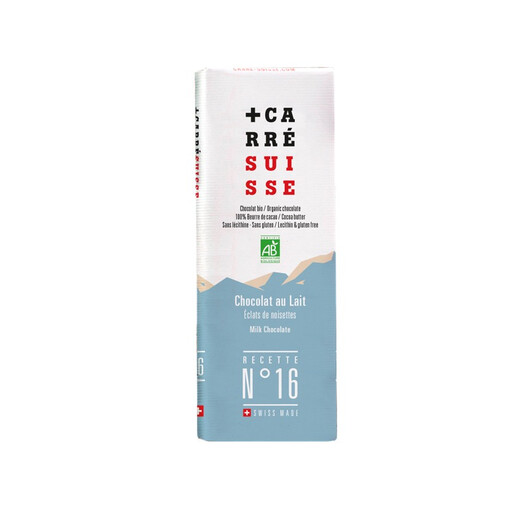 Image unavailable
The 40 g size is a handy option if you’d like a set amount for your break. This recipe combines milk chocolate and hazelnuts. If you have any allergies, check the ingredients and any ‘may contain’ statements. Being organic doesn’t mean it’s Fairtrade-certified.
 Image unavailable
The pack of nine pieces is an option to consider if you’d like to serve several mini bars with coffee. This variant pairs a wafer with a strawberry flavour. Check the sugar content on the packaging before making nutritional comparisons, and check the allergens for this recipe too. Don’t assume it’s Fairtrade-certified based on information about another KitKat product.
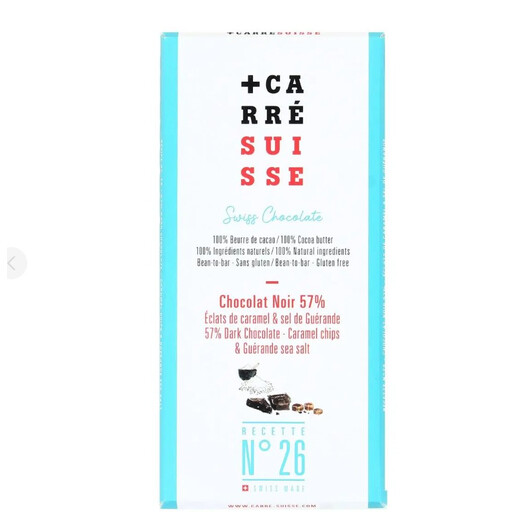 Image unavailable
This bar is for anyone who wants to enjoy dark chocolate with caramel and Guérande salt during their coffee break. The 100 g pack size doesn’t determine how much you eat in one serving, so check the nutritional information and ingredients for this product. Dark chocolate and an organic label don’t guarantee that it’s allergen-free or Fairtrade-certified.
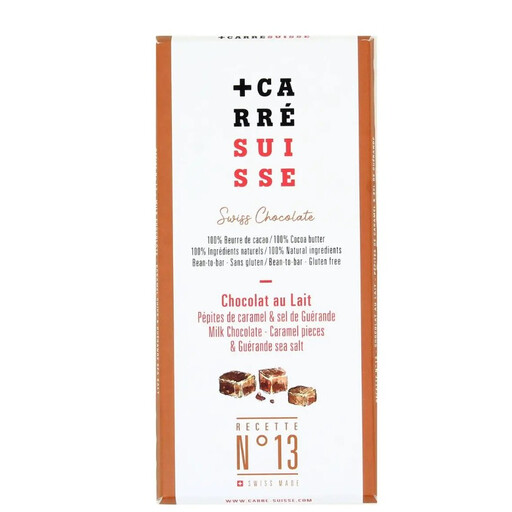 Image unavailable
The combination of milk chocolate, caramel and Guérande salt offers a different flavour from a wafer bar. For this 100 g bar, compare the sugar content per 100 g with the amount you plan to serve with coffee. Also check the allergen information and any cocoa certification directly on this product.
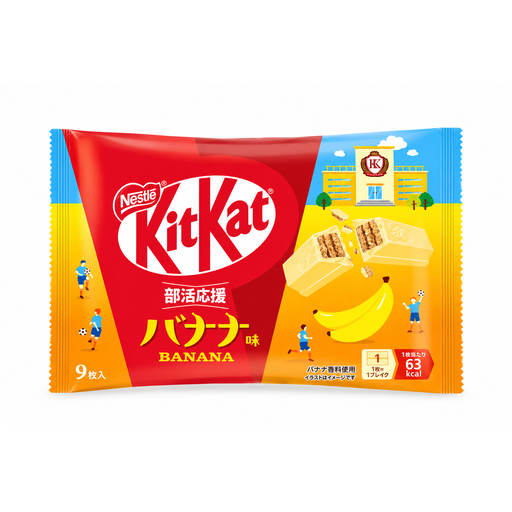 Image unavailable
This banana-flavoured variant may appeal if you’re looking for a different chocolate wafer to enjoy with your coffee. The stated weight is for the whole product, so check the amount per piece if you’re comparing serving sizes. Also check the allergens and look for a Fairtrade statement on the packaging if this certification matters to you.
Look for a Fairtrade statement or logo linked to the specific product you’re buying. A general statement about the brand’s cocoa or a different label isn’t enough to establish that the bar is Fairtrade-certified.
No. Santé publique France says that displaying it is voluntary, alongside the mandatory nutritional declaration. If it isn’t shown, compare the nutritional values and serving sizes of the products you’re interested in.
No. The scale published by the Bulletin officiel des finances publiques-Impôts applies to non-alcoholic drinks containing added sugars or sweeteners, not solid foods such as chocolate bars. To compare bars, check their sugar content in the nutritional information.
Check the ingredients list, highlighted allergens and any ‘may contain’ statements for the exact variant. The DGCCRF explains the rules for declaring allergens on pre-packed foods. Don’t assume that two recipes from the same brand have the same ingredients.