People organising a shared break
If you’ll be opening the chocolate during the meeting, think about how many bars you’ll need to break up and share. Multipacks of small bars and packs of larger bars suit two different ways of serving a group.


If you’re handing out chocolate over several breaks or adding it to lunchboxes, choose a multipack of individually wrapped small bars. If you’re opening the chocolate to share during a single meeting, larger bars may work well, as long as you plan how to divide them up. In either case, check the ingredients and allergens on the pack you’ll be serving to the group. Nutritional information can help you compare products without reducing the choice to a single measure.
If you’ll be opening the chocolate during the meeting, think about how many bars you’ll need to break up and share. Multipacks of small bars and packs of larger bars suit two different ways of serving a group.
If you’re setting aside chocolate for several people or different days, individually wrapped bars mean you don’t have to open the whole pack at once.
Before serving a group, check the ingredients and allergen information on the pack you buy for each product you’re considering. These can vary between products, even within the same brand.
Choose this if : you want to keep individual bars separate for several breaks or lunchboxes.
Bear in mind : the number of bars in the pack should match the number of occasions you plan to hand them out.
Choose this if : you’ll be opening and sharing the chocolate at the meeting.
Bear in mind : you’ll need to break up and portion the bars when serving.
Consider this if : the group will be sharing a single bar straight away.
Bear in mind : this format doesn’t leave you with any unopened bars to hand out individually.
| Criteria | What to check | Who is this for? |
|---|---|---|
| Portioning | Count the individually wrapped bars and check the weight of each one. | If I’m also preparing lunchboxes, I want to be able to keep some bars sealed for later. Around 42 % of consumers prioritise this. |
| Ingredients and allergens | Read the ingredients list and check the “contains” or “may contain” statements on the pack you’ve chosen. | Before serving a group, I need to know whether the ingredients are suitable for any dietary requirements people have mentioned. This is the top priority for around 33 % of consumers. |
| Nutritional information | Compare sugars and saturated fat per 100 g in particular; check the Nutri-Score if it’s shown. | When choosing between different recipes, I want to compare their nutritional values rather than rely on the chocolate’s name alone. This is the priority for around 25 % of consumers. |
Chocolate bars reviewed from different brands list ingredients such as milk, soya or nuts, depending on the recipe. The flavour or brand alone won’t tell you whether it’s suitable for the group.
Ask which dietary requirements you need to take into account, then read the ingredients and any “may contain” statements on the pack you’ll be serving.
Santé publique France states that displaying the Nutri-Score is voluntary. If it appears on a product, the logo is no substitute for the nutritional information or ingredients list.
Compare the values per 100 g for similar products, and check the ingredients and allergens separately.
The Nestlé Dessert Corsé product reviewed is described as dark baking chocolate. Its stated use alone doesn’t tell you whether the recipe will suit the group’s tastes for a coffee break.
If you’re considering this type of bar, check that its ingredients and intended use suit what you want to share.
Carrefour lists a Milka multipack of 6 × 100 g bars, among other options. It’s a format to consider if you want to keep each bar separate.
Carrefour lists L’Authentique Lait in a multipack of 3 × 100 g bars. It’s worth considering if you’ll be handing out a few individual bars.
The Nestlé Dessert Corsé multipack listed by Carrefour contains 2 × 200 g bars and is dark baking chocolate.
Carrefour lists L’Original Lait in a multipack of 2 × 200 g bars, intended here for sharing once opened.
The own-brand products reviewed include multipacks of small bars in different weights.
E.Leclerc lists ECO+ in a multipack of 5 × 100 g bars and Tablette d’Or in a multipack of 3 × 100 g bars, among other options.
These products are suited to handing out individually at a meeting or over several breaks. The first three are multipacks of chocolate bars; the next two are multipacks of chocolate sticks, which are different from a bar you break up to share.
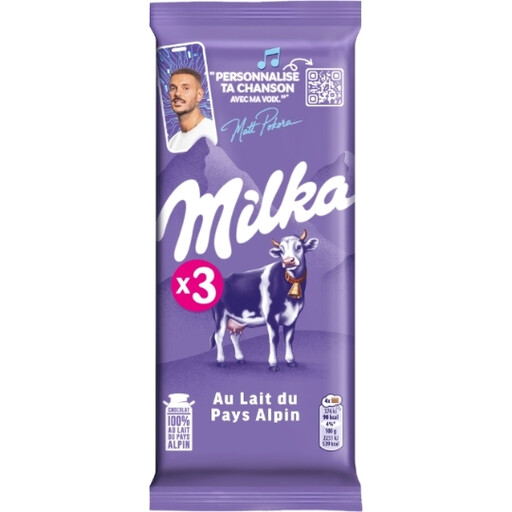 Image unavailable
For setting aside chocolate bars for several breaks or lunchboxes. Check the ingredients and allergens on the pack before serving to a group.
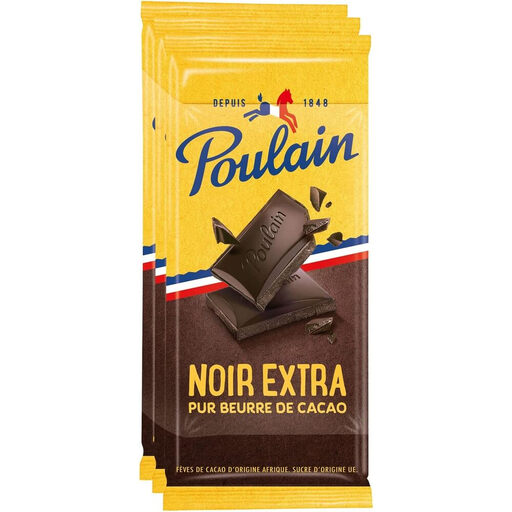 Image unavailable
For offering individual dark chocolate bars, if the recipe suits the group’s preferences. Check the label for ingredients and allergens.
 Image unavailable
For a small handout of two individual chocolate bars. If anyone attending has dietary requirements, check the ingredients on the pack before serving.
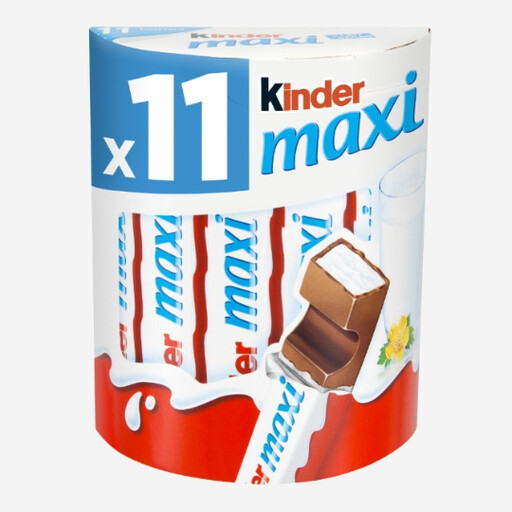 Image unavailable
For handing out chocolate bars rather than breaking up a large bar during the meeting. This format isn’t a substitute for a multipack of chocolate bars if you want to serve individual squares. Check the ingredients on the pack too.
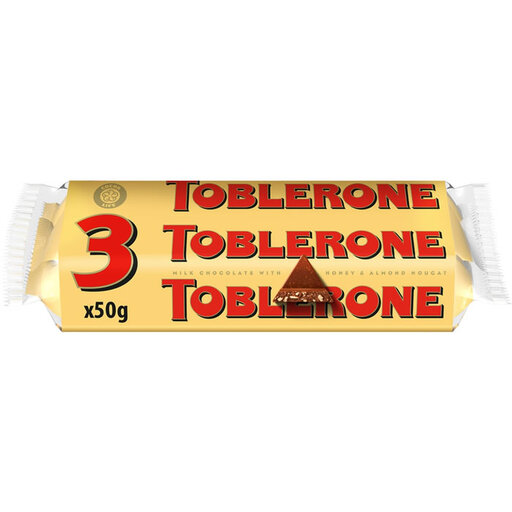 Image unavailable
For handing out three individual bars at a small gathering, rather than sharing a large bar. Read the ingredients list if anyone has mentioned dietary requirements.
No. Santé publique France says that producers display Nutri-Score voluntarily. If the logo isn’t shown, compare recipes using the product’s nutritional information and ingredients.
Follow the instructions on the pack you’ve bought. The Joybuy product information for a Milka bar says to seal it tightly after opening and store it in a cool, dry place. Check the instructions for your specific product.