People who take their coffee break on the go
A small bar lets you plan a portion without opening a whole bar of chocolate. Lindt France describes some of its individually wrapped bars as easy to carry; check the packaging for the product you choose.


To enjoy with your coffee without opening a whole bar, start by choosing a bar whose weight and packaging suit the portion you want. Then compare the sugar and energy figures per 100 g and for the amount you’ll actually eat, and check the ingredients and allergens for the exact product. A convenient format or a recipe you like doesn’t mean you can skip these checks.
A small bar lets you plan a portion without opening a whole bar of chocolate. Lindt France describes some of its individually wrapped bars as easy to carry; check the packaging for the product you choose.
If you want to compare sugar or energy, check the figures per 100 g and work out how they relate to the amount you plan to eat. If there’s a Nutri-Score on the pack, treat it as an additional guide.
The recipe and any ‘may contain’ warnings matter more than the bar’s name alone. For pre-packed foods, the DGCCRF says allergens must be highlighted in the ingredients list. Check the label for each product and flavour.
For a morning coffee break, start with the portion you want, then compare the information for each recipe rather than relying on the type of chocolate alone.
| What to consider | What to check | Who is it for? |
|---|---|---|
| Portion and portability | Number of pieces, weight of each bar and individual packaging. | When you’re short on time, being able to take just one piece means you won’t have to store the rest. Around 33% of consumers put having a convenient portion first. |
| Sugar and energy | Nutritional values per 100 g and for the amount you’ll actually eat; Nutri-Score, if displayed. | When comparing two bars of different weights, I want to know what I’ll be having with my coffee. Around 25% of consumers prioritise checking nutritional information. |
| Ingredients and allergens | Ingredients list, highlighted allergens and any ‘may contain’ warnings for the exact product. | If I need to avoid an ingredient, the flavour or brand name alone isn’t enough to make a choice. Around 42% of consumers put ingredients and allergens first. |
According to Santé publique France, displaying a Nutri-Score is voluntary. Its absence doesn’t, by itself, tell you whether the required nutritional information is present or whether the bar is right for you.
Check the nutrition declaration and ingredients list. Use the Nutri-Score as extra information when it’s displayed.
The contribution described by Légifrance applies to drinks and liquid preparations for drinks, not solid chocolate bars. So it isn’t a useful way to compare these bars.
To compare sugar content, check the figures per 100 g, then take into account how much of the bar you’ll eat.
A chocolate, hazelnut or caramel recipe name doesn’t tell you all the ingredients or whether there may be traces of other allergens. The ingredients can also vary by flavour or format.
Check the label for the exact product before eating it, even if you already know the brand.
Lindt France offers individually wrapped bars, including NOCCIO Milk Hazelnut 35 g and NUXOR Milk Hazelnut 33 g.
Carrefour France offers, among other products, Carrefour Sensation in a pack of six bars, weighing 240 g in total.
Ferrero France offers several Kinder products in multipacks, including Kinder Bueno White x6, Kinder Maxi x20 and Kinder Tronky x5.
This selection includes a pack of small pieces and chocolate bars in different weights to enjoy with a coffee break. If you plan to take one portion with you, check how each product is packaged.
 Image unavailable
This pack could suit you if you’d like a small piece for several breaks. Check whether the pieces are individually wrapped if you need to take just one with you. To compare sugar content, check the label for the exact product.
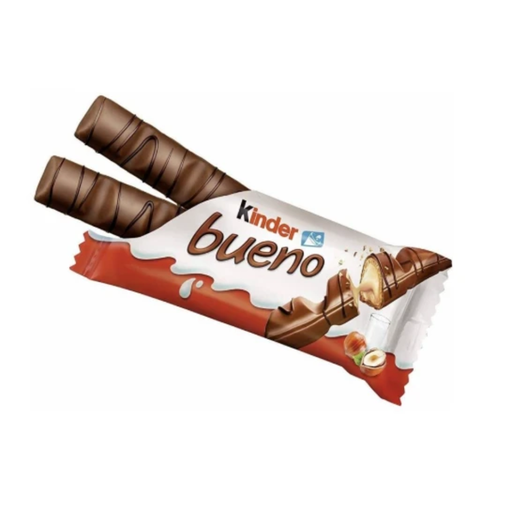 Image unavailable
Worth considering if you’re looking for a chocolate treat with its total weight clearly stated. Before taking it for a single break, check how many pieces there are and how they’re packaged. If you need to avoid milk, wheat, hazelnuts, soya or almonds, check the allergen information on the pack.
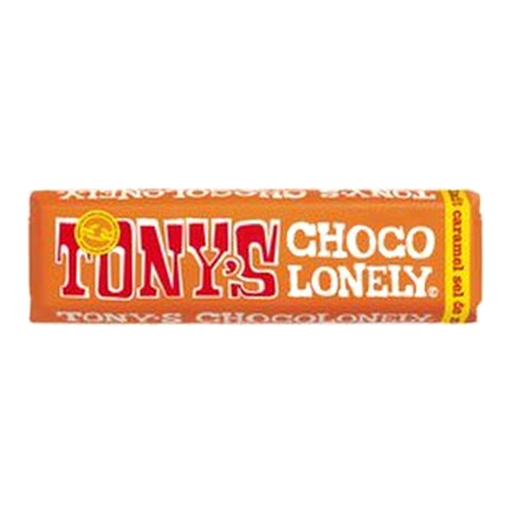 Image unavailable
This bar could hit the spot if you fancy milk chocolate with caramel during your coffee break. It weighs 47 g, so check how much you plan to eat, how it’s packaged and the allergen information before choosing.
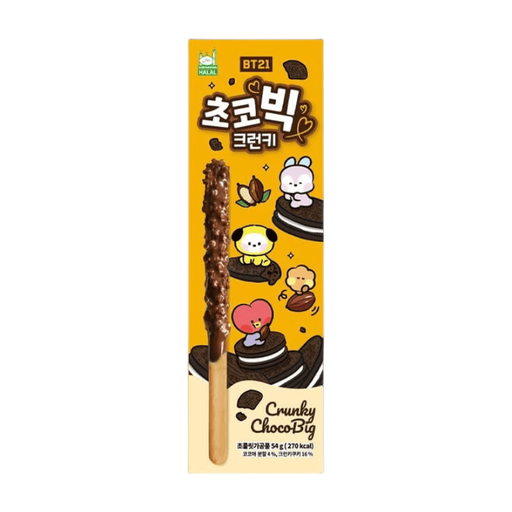 Image unavailable
If you’re after a crunchy chocolate bar, this 54 g format is worth comparing with the portion you’d like to enjoy with your coffee. Check the pack for ingredients, allergens and nutritional information for the amount you’ll eat.
No. The contribution described by Légifrance applies, subject to the conditions set out in the legislation, to drinks and liquid preparations for drinks—not solid chocolate bars. When choosing a bar, look instead at its portion size and nutritional information.
No. According to Santé publique France, displaying a Nutri-Score is voluntary. Other rules apply to nutrition declarations on pre-packed foods, subject to the relevant exemptions. So the absence of the logo isn’t enough to judge whether a bar complies with the rules.
Compare their nutritional values on the same basis, particularly per 100 g, then take into account how much you’ll actually eat. Also check how many pieces are in the pack: the total weight doesn’t always tell you what one portion is.
Read the ingredients list and check for any ‘may contain’ warnings on the exact product. The DGCCRF says allergens in pre-packed foods must be highlighted in the ingredients list. Don’t assume the label for one flavour applies to another.
Dark chocolate may suit the flavour you’re looking for, but its name alone doesn’t tell you about the sugar, portion size or allergens. Check this information on the exact bar before comparing it with a milk chocolate or filled variety.