Touring cyclists on long rides
If the bar is part of your fuelling plan, look at the carbohydrates in one bar rather than just its weight. The length of your ride and your tolerance matter, too, when choosing what to take with you.


For a tasty break on your bike ride, choose a milk chocolate bar based on how much you want to carry. If you’re also counting on it during a long or demanding ride, check the carbohydrates per bar and compare them with your overall fuelling plan: a single portion may not be enough on its own. Remember to check the allergens in the exact recipe, too.
If the bar is part of your fuelling plan, look at the carbohydrates in one bar rather than just its weight. The length of your ride and your tolerance matter, too, when choosing what to take with you.
If you want a break without opening a whole bar, compare the weight of each portion and the number of bars in the pack. A multipack may contain small portions, but its total weight doesn’t tell you how much you’ll eat at each stop.
A milk and hazelnut recipe or a filled bar calls for a careful check of the ingredients and allergen information. Check the exact product: two bars from the same brand may have different ingredients.
When choosing a bar to take on a bike ride, start with how you plan to use it: as a tasty treat or as part of your fuelling plan. Then work out the values given per 100 g for the weight of the portion you’ll eat.
| Criterion | What to check | Who is it for? |
|---|---|---|
| Carbohydrates per bar | The carbohydrate content per 100 g and the weight of the bar; calculate the amount in one portion. | On a long or demanding ride, I want to know how each serving contributes to my fuelling plan. Around 36% of consumers put this calculation at the top of their list. |
| Portion weight | The weight of each bar and the number of bars in the pack. | For a break on my own, I’d rather choose how much to take than open a large bar. Getting the portion size right comes first for around 29% of consumers. |
| Ingredients and allergens | The ingredients, stated allergens and any ‘may contain’ information on the exact product. | If a nut-based or filled recipe isn’t suitable for me, its ingredients matter more than its format or flavour. This is the main concern for around 21% of consumers. |
| Nutrition information | Carbohydrates, including sugars, and fat per 100 g, then for the portion you’ve chosen. | If I also buy this bar for breaks off the bike, I want to compare its ingredients with those of other products. Around 14% of consumers prioritise this comparison. |
A bar that’s easy to carry won’t necessarily provide all the carbohydrates you need for a demanding ride. A 2015 publication referenced in PubMed gives a general guideline of 30 to 60 g of carbohydrates per hour for exercise lasting 1 to 2.5 hours; this figure doesn’t describe the amount provided by any particular bar.
Calculate the carbohydrates in the exact portion and consider it alongside the other food and drinks you’ve planned for your ride.
The product name doesn’t list all the ingredients or any ‘may contain’ information. For example, Lindt lists milk, hazelnuts, almonds and soya in its 33 g Nuxor Milk Hazelnut bar.
If you need to avoid an allergen, read the label on the product you’re buying, even if you already know the brand.
In France, the DGCCRF describes Nutri-Score as a voluntary label. Nutrition information is generally still required for prepacked foods, subject to applicable exemptions.
Compare the nutritional values and portion weight; use Nutri-Score as additional guidance when it appears on the packaging.
Carrefour offers milk chocolate bars in packs of 10, with each bar weighing 21 g. This format is worth considering if the weight of each portion is a key factor in your choice.
The 33 g Nuxor Milk Hazelnut bar combines milk chocolate, gianduja and hazelnuts.
Milka offers a 45 g Milk Chocolate with Whole Hazelnuts bar in an individual format.
Côte d’Or products include a 45 g milk chocolate and hazelnut bar and a 30 g Nougatti bar.
According to Nestlé, the LION bar combines milk chocolate, caramel and wheat cereal. It’s a chocolate bar with several ingredients, not plain milk chocolate.
These products come in stated portion sizes ranging from 30 to 51 g, as well as a 3 × 50 g format. They include milk chocolate bars with hazelnuts, nougat or caramel. Choose according to the portion size you want and the recipe, rather than assuming they all serve the same purpose during exercise.
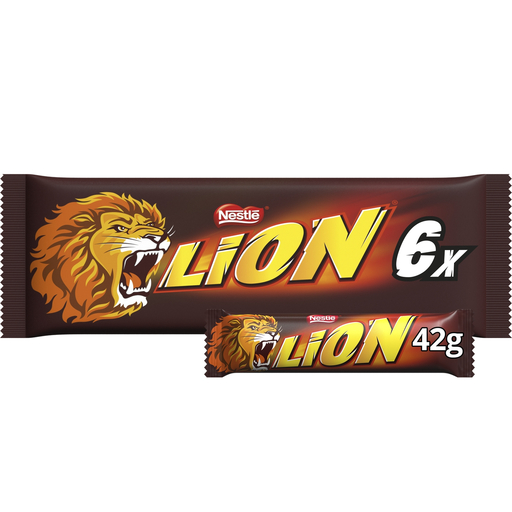 Image unavailable
This pack is a good choice if you want to spread several breaks across your ride, with portions of a known weight. Each bar is stated to weigh 42 g; if you’re including one in your fuelling plan, check the carbohydrates per portion and the allergens on the packaging.
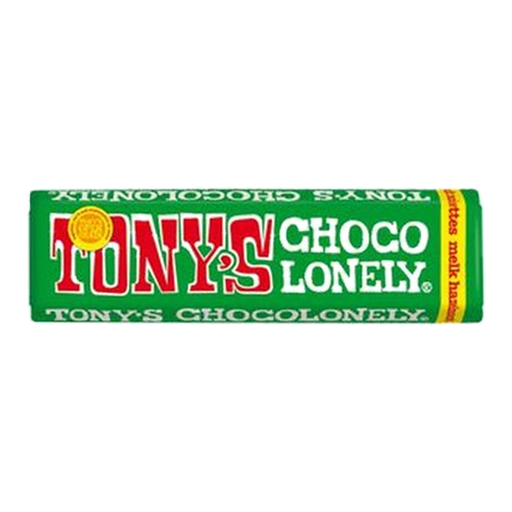 Image unavailable
This 47 g bar makes an individual treat if you’re looking for a hazelnut recipe. Check the other ingredients and allergen information for this product before taking it with you.
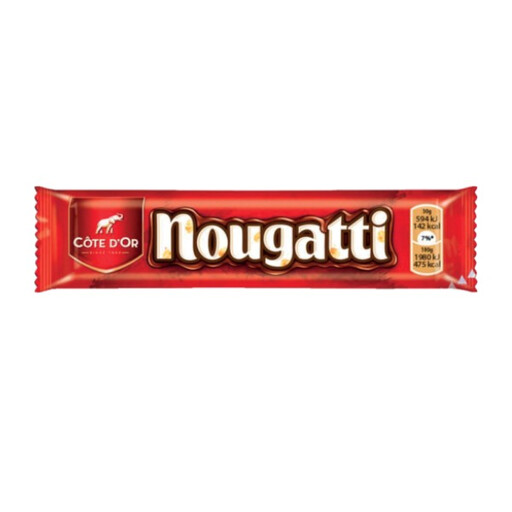 Image unavailable
The stated 30 g size lets you choose a smaller portion for a break. If the bar is also part of your fuelling plan during the ride, compare the carbohydrates per bar and check the allergens in the recipe.
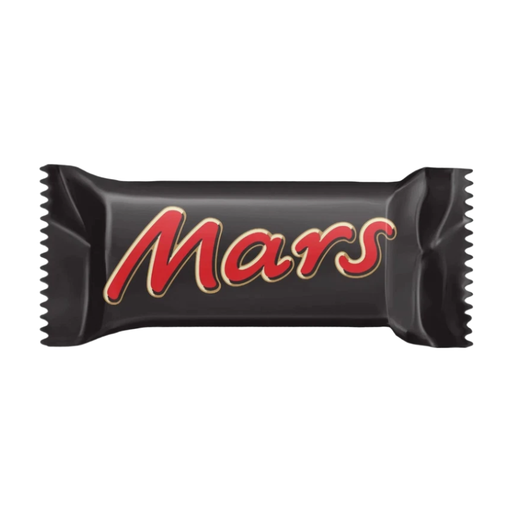 Image unavailable
This 51 g bar is a handy individual treat if you prefer a caramel and nougat recipe. To compare its portion with other formats, check the nutrition information per bar rather than looking only at the values per 100 g.
 Image unavailable
This format gives you 50 g portions for several breaks. If you need to take one portion separately, check how the three portions are wrapped; also check the ingredients and allergens on the exact product.
Not necessarily: you need to count the carbohydrates per bar alongside those in your overall fuelling plan. A 2015 publication referenced in PubMed gives a general guideline of 30 to 60 g of carbohydrates per hour for exercise lasting 1 to 2.5 hours. For comparison, the 40 g of carbohydrates per 100 g stated by Lindt for its Nuxor Milk Hazelnut bar works out at around 13.2 g in its 33 g portion.
No. The DGCCRF states that Nutri-Score is voluntary in France. Nutrition information is generally required on prepacked foods, subject to the applicable exemptions. Use it to compare things such as sugars and fat, taking the weight of the bar into account.
No: the French Ministry of the Economy describes this levy as applying to sugary drinks, not as a tax specifically on solid chocolate bars. The ‘of which sugars’ line in the nutrition information is still useful for comparing two bars.
Read the ingredients, stated allergens and ‘may contain’ information for the exact product. For example, Lindt lists milk, hazelnuts, almonds and soya in its Nuxor Milk Hazelnut bar, with a warning that it may contain traces of other nuts. Don’t assume this information applies to another bar.