Anyone putting together a personalised calendar
You’re filling the compartments yourself: check the weight of the bars, how many portions you can get from each one, and the best-before date on the packaging.


To fill an Advent calendar, choose bars with a recipe the recipient will enjoy, then check the ingredients and allergens for each specific product. Milk chocolate, dark chocolate and bars with added ingredients suit different tastes. In every case, a bar needs to be portioned to fit the calendar compartments, and its weight alone won’t tell you how many portions you’ll get.
You’re filling the compartments yourself: check the weight of the bars, how many portions you can get from each one, and the best-before date on the packaging.
If the recipient has a known allergy or avoids certain foods, check the ingredients and any ‘may contain’ warnings for every recipe—even when several bars are from the same brand.
Can’t decide between milk chocolate, dark chocolate and bars with added ingredients? Start with the preferences of the person you’re giving the calendar to, then compare the information on the specific bars you’re considering.
When you’re putting together a calendar as a gift, the recipe should suit the recipient and you’ll need to buy enough to fill the planned compartments.
| Criteria | What to check | Who is this for? |
|---|---|---|
| Ingredients and allergens | Ingredient list, highlighted allergens and any ‘may contain’ warnings for each specific product. | If the recipient avoids certain ingredients, I want to be able to rule out any unsuitable recipes. Around 50% of consumers put this compatibility first. |
| Size and portions | Net weight, the portions you can actually use and the best-before date on the packaging. | When I’m filling the compartments myself, I need to know how much I’ll be able to divide up. Size is the top priority for around 30% of consumers. |
| Flavour and type of chocolate | Type of chocolate, added ingredients and cocoa percentage where stated; nutritional information to compare specific recipes. | I’m looking for a recipe that suits the recipient’s tastes, rather than focusing on the cocoa percentage alone. Around 20% of consumers prioritise flavour. |
The French Ministry of the Economy says this levy applies to sugary drinks, not chocolate bars. So it won’t help you choose between two recipes.
To compare their sugar content, check the nutritional information per 100 g for each bar.
According to Santé publique France, displaying the Nutri-Score is voluntary. Its absence isn’t enough to judge a chocolate bar or whether it meets the relevant requirements.
If it appears on the packaging, read it alongside the ingredients list and nutritional information.
Ingredients and ‘may contain’ warnings vary by recipe, including between milk chocolate, dark chocolate and bars with added ingredients.
Check the label on every bar you plan to put in the calendar, particularly if several people will be receiving the chocolates.
L’Authentique Lait is an example of a milk chocolate bar whose size and ingredients you can check before filling the compartments.
The Bio Noir bar sold by Carrefour is an example of a dark chocolate recipe with a stated cocoa percentage.
The supermarket’s own range includes a Classic’ Lait product to consider if you’re planning to use several bars for the calendar.
These milk chocolate and dark chocolate bars, including options with added ingredients, can be used to fill a calendar you put together yourself. Before choosing, consider the recipient’s tastes and check the packaging for portion sizes and the best-before date.
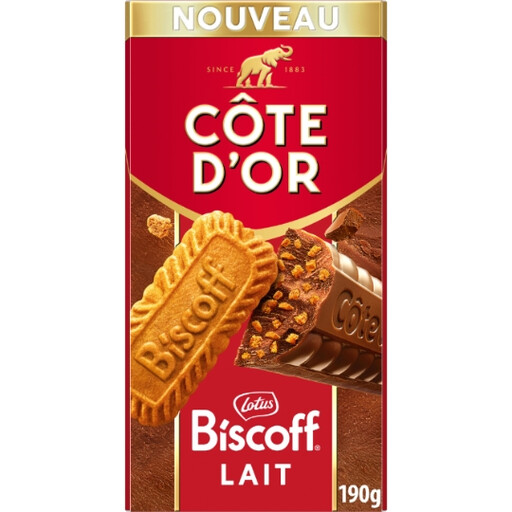 Image unavailable
For someone who enjoys the combination of milk chocolate and biscuits. The bar weighs 190 g. The product information lists milk, wheat and soya, and warns that it may contain traces of nuts. Check the packaging to work out how many portions you can make.
 Image unavailable
For someone looking for a dark chocolate bar with 85% cocoa. It weighs 100 g. If the recipient has an allergy or strictly avoids certain ingredients, check the warnings on the exact product packaging before giving it as a gift.
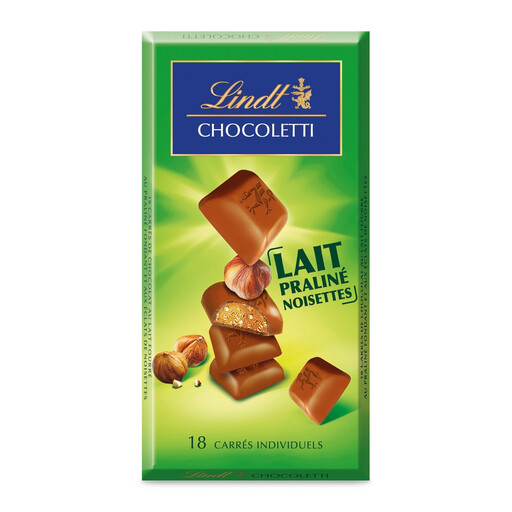 Image unavailable
Worth considering if the recipient enjoys praline. According to the product information, this 100 g bar contains hazelnuts, almonds, milk, soya and barley. Check these ingredients and the number of portions on the packaging.
 Image unavailable
This pack of three milk chocolate bars gives you several packs to work with when preparing the calendar. The product information lists milk, hazelnuts and soya, and warns that it may contain traces of other nuts and wheat. Check that the portions will fit your compartments.
 Image unavailable
For someone who enjoys dark chocolate with lemon and green pepper. The bar weighs 100 g. The product information warns that it may contain traces of milk, nuts, soya and gluten. Check the packaging before dividing it up for the compartments.
No. The French Ministry of the Economy describes this levy as applying to sugary drinks, not chocolate bars. If you want to compare two recipes, check the amount of sugar listed per 100 g instead.
No. Santé publique France says that displaying the Nutri-Score is voluntary. Its absence doesn’t mean you can skip checking the ingredients and nutritional information on the packaging.
Check the net weight, best-before date, ingredients and allergens for every bar. The French Ministry of the Economy states that allergens must be highlighted on prepacked food labels. If the recipient has a known allergy, also check any ‘may contain’ warnings.
No. It tells you the stated cocoa content for a particular recipe, but it can’t tell you on its own whether the recipient will enjoy the taste or whether the allergens are suitable for them. For example, Carrefour’s product information for Côte d’Or Bio Noir states that it contains at least 70% cocoa and may contain traces of nuts and milk.