Anyone who wants just one bar
If dessert is just for you, the number of pieces matters just as much as the stated weight. A single bar and a pack of individually wrapped bars don’t meet the same need.


If you want just one treat after a charcuterie night, buying a single bar means you won’t have to buy a Christmas selection or several portions you don’t plan to eat. A multipack is a better choice if you’d like to save some bars for another occasion. Either way, check the weight, allergens and sugars on the packaging of the product you choose.
If dessert is just for you, the number of pieces matters just as much as the stated weight. A single bar and a pack of individually wrapped bars don’t meet the same need.
Before choosing a chocolate, milk or hazelnut recipe, check the ingredients and allergens for the exact product. Carrefour product pages for Lindt and Kinder bars show how ingredients can vary between products.
Portion weight and sugars per portion or per 100 g make it easier to compare labels. If a Nutri-Score is shown, it can help guide your choice, but it doesn’t replace the nutrition information.
If you’re after a solo treat, first decide how much you want to buy, then check the recipe-specific details: allergens and nutrition information.
| What to consider | What to check | Who is it for? |
|---|---|---|
| Single-serving format | The weight of each bar and the number of bars in the pack. | If I want just one treat after the evening, I’d rather not take home extra portions to store. Around 31% of consumers prioritise this single-serving format. |
| Allergens and ingredients | The ingredients list and allergens for the flavour and format you’re buying. | If I need to avoid an ingredient, the exact recipe matters more than choosing between a single bar and a multipack. For around 38% of consumers, this is the main consideration. |
| Sugars and labelling | Sugars per 100 g and per portion; the Nutri-Score, if shown. | To compare two chocolates, I need to check the sugar content in relation to how much I’ll eat. Around 31% of consumers prioritise checking this nutrition information. |
According to Santé publique France, producers display the Nutri-Score voluntarily. So, the absence of a logo doesn’t by itself mean that the bar fails to meet labelling rules.
If a Nutri-Score is shown, use it as an additional guide and check the nutrition information, portion size and ingredients too.
The contribution described by Légifrance applies to drinks and liquid preparations for drinks that meet the conditions set out in the legislation, not solid chocolate bars.
When choosing a bar, focus on its format and the information on the packaging.
Ingredients vary between products. The Carrefour pages consulted list milk, soya and nuts in some Lindt and Kinder bars, as well as wheat in the Kinder Bueno recipe.
Check the ingredients list and allergens on the packaging for the flavour and weight you’re buying.
A multipack lets you have one piece at a time, but you still have to buy all the other pieces in the pack. That’s not the same as buying a single bar for an occasional treat.
Check the number of bars and their individual weight before adding the pack to your basket.
If you choose a multipack, think about where you’ll store the portions you don’t eat.
These products offer useful comparisons for format and ingredients. A brand name is no substitute for checking the label on the exact product.
The Carrefour product page for the Lindt Nuxor Milk bar describes a 33 g format, distinct from selections intended to be shared across several portions.
Carrefour lists Kinder Chocolate in a pack of 20 bars weighing 420 g and Kinder Bueno in a pack of 10 bars weighing 430 g. Both are multi-piece purchases, even though the bars are individually portioned.
Carrefour’s “Chocolate Bars” aisle is a useful reference for distinguishing single bars from multipacks, including own-brand and other branded products.
To round off the evening with chocolate, this selection includes bars in different sizes, a block to break into pieces and a multipack. Their product names don’t describe them as Christmas chocolates, so choose based on how much you’d like to eat or save for later.
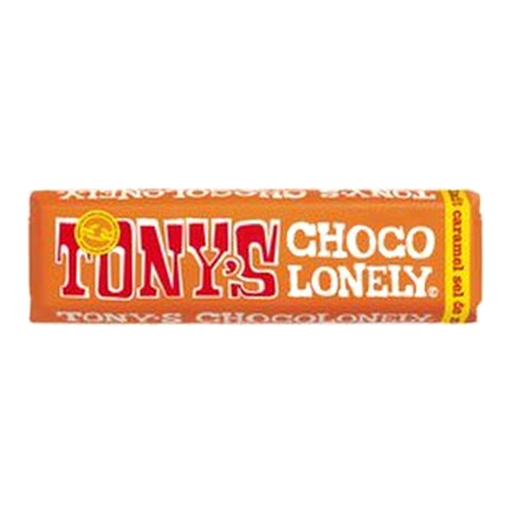 Image unavailable
Worth considering if you’re looking for a bar rather than a multipack. The product name states that it weighs 47 g and has a caramel and sea salt flavour. Check the packaging for allergens and sugars.
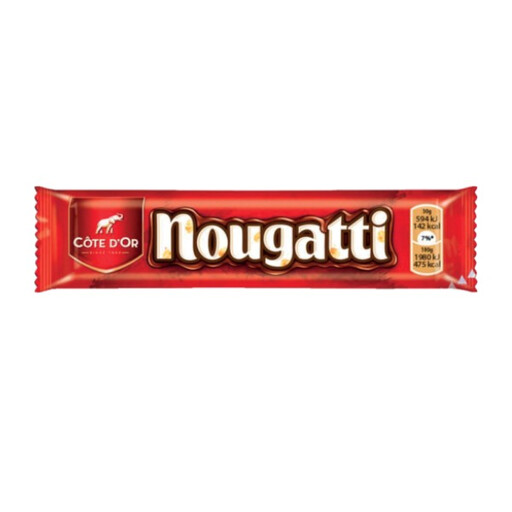 Image unavailable
Compare it with other bars if you’re looking for a 30 g format and a recipe described as combining nougat and hazelnut. Check the ingredients and allergens for this product before buying.
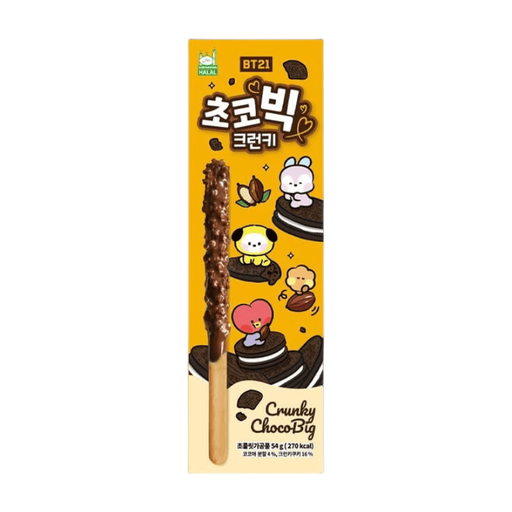 Image unavailable
This 54 g format is one to compare with other bars for a one-off treat. If you need to avoid certain ingredients, check the ingredients and allergens on the packaging before choosing.
 Image unavailable
Worth considering if you’d like dark chocolate and don’t mind saving the rest of a 100 g bar after your portion. The “85% cocoa” claim describes its composition, but doesn’t tell you how much sugar is in a portion, so check the nutrition information.
 Image unavailable
This pack is a good choice if you plan to save several pieces rather than buy a single bar for the evening. The product name states that it contains 9 pieces, weighing 104.4 g in total. Check the packaging for sugars and allergens.
No. According to Santé publique France, displaying the Nutri-Score is voluntary, while a nutrition declaration is among the information required under the INCO Regulation. So, the absence of a logo isn’t enough to determine whether the label complies with the rules.
No. The contribution described by Légifrance applies to drinks and liquid preparations for drinks that meet the conditions set out in the legislation, not solid chocolate bars. It isn’t a factor when comparing the bars in this selection.
Check the ingredients and allergens on the packaging for the exact product. The Carrefour pages cited for some Lindt and Kinder bars list milk, soya and nuts; the Kinder Bueno recipe consulted also lists wheat. Don’t assume this list applies to another flavour or product.
Check the sugars per 100 g to compare products on a like-for-like basis, then look at the sugars per portion for the amount you plan to eat. If a Nutri-Score is shown on the packaging, it can complement these figures, but it doesn’t replace them.