For a break with a set amount in mind
A bar or mini bar gives you an individual portion without having to open a large sharing bar. Do check its weight, though: the bars featured by Carrefour France range from 21 g to 45 g.


For a solo break with a set amount in mind, choose a bar or mini bar whose individual weight and packaging suit you. A sharing bar lets you decide how many squares to have, but you’ll need to set the portion yourself. In either case, compare the nutritional information per 100 g, then check the figures for the amount you plan to eat.
A bar or mini bar gives you an individual portion without having to open a large sharing bar. Do check its weight, though: the bars featured by Carrefour France range from 21 g to 45 g.
If you’re mainly comparing sugar or energy, start with the figures per 100 g, then take into account how much you’ll eat. The DGCCRF describes nutritional information as the key reference for prepacked foods. According to Santé publique France, displaying the Nutri-Score remains voluntary.
If you have an allergy or avoid certain foods, check the packaging for the exact product, including any ‘may contain’ warnings. Depending on the recipe, the products featured by Carrefour France list milk, soya, wheat or nuts in their product information.
When choosing between a bar, a mini bar and a sharing bar, start with the amount you have in mind for your break. Then check the ingredients and allergens for the specific product.
| Criteria | What to check | Who is it for? |
|---|---|---|
| Portion and portability | Weight of each piece, number of pieces and whether they’re individually wrapped, if needed. | I want to take one piece for my break, without having to break off some of a sharing bar there and then. Around 45% of consumers rank having a set portion as their top priority. |
| Nutritional information | Energy and sugar per 100 g, followed by the amount for the portion you have in mind. | If I’m choosing between two recipes or two bar sizes, I want to compare their values on the same basis. Around 33% of consumers put this need to compare first. |
| Ingredients and allergens | Ingredients list, highlighted allergens and any ‘may contain’ warnings on the exact product. | If a recipe needs to meet a dietary restriction, the brand name alone isn’t enough to make a choice. Around 22% of consumers put checking ingredients and allergens first. |
The Ministry of the Economy describes this levy as applying to sugary drinks, not solid chocolate bars.
When choosing your chocolate, focus instead on how much you plan to eat, the nutritional information and the ingredients list.
According to Santé publique France, displaying it is voluntary. The DGCCRF notes that nutritional information is compulsory for most prepacked foods.
Compare the figures per 100 g even if the logo isn’t shown, then work them out for your portion.
The products featured by Carrefour France include bars weighing 21 g, 30 g and 45 g: ‘single’ describes one unit, not a standard weight.
Check the bar’s weight and the number of pieces in the pack before choosing a format for your break.
Ingredients and ‘may contain’ warnings vary from one product to another, even within the same brand.
Check the label on the product you buy. The DGCCRF says allergens in prepacked foods must be highlighted in the ingredients list.
Carrefour France features Milka Mini Bars in a pack of eight, with a total weight of 200 g.
Among the products featured by Carrefour France are a 45 g dark chocolate and hazelnut bar, and dark chocolate sharing bars.
Carrefour France features a 30 g Nestlé milk chocolate and puffed rice bar.
Carrefour France features a pack of ten 21 g milk chocolate bars.
Lindt France features the 100 g EXCELLENCE 90% dark chocolate bar, among other products.
This selection includes chocolate bars, chocolate-coated treats, mini bars and a sharing bar for enjoying over several breaks. First choose the type of product and amount that suit you: not all of these are individually wrapped portions.
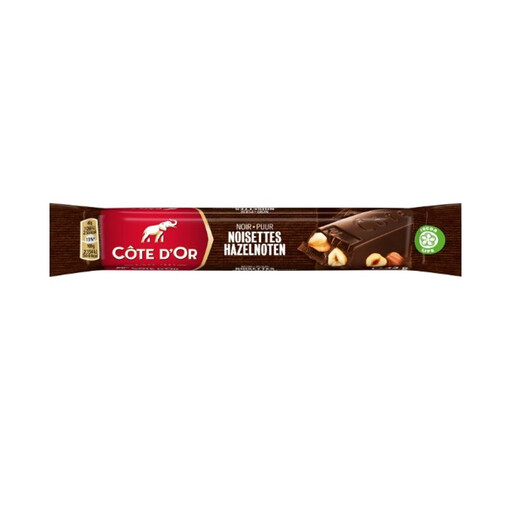 Image unavailable
For a break with one 45 g bar rather than several smaller pieces. The dark chocolate and hazelnut product in this size featured by Carrefour France is individually wrapped. Check the allergen information on the product you buy.
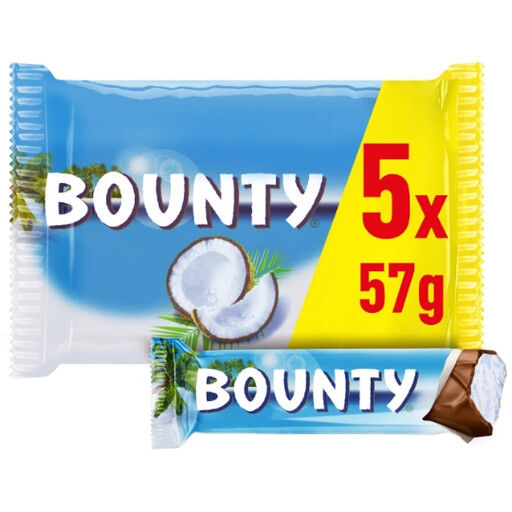 Image unavailable
For a break with a coconut treat coated in milk chocolate, rather than a chocolate bar. The title states that the pack contains five 28,5 g pieces. If you want to take just one, check whether they’re individually wrapped.
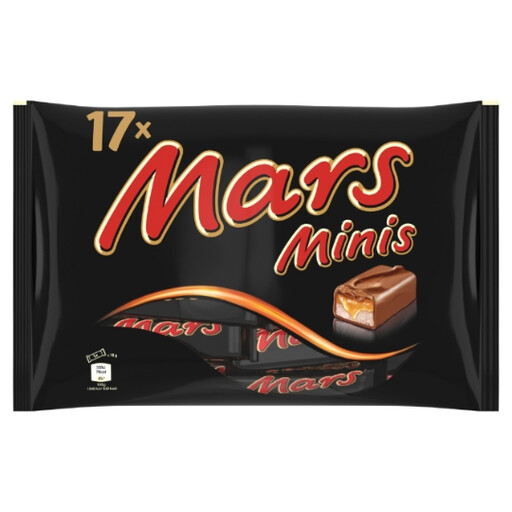 Image unavailable
For choosing a mini bar from a bag rather than having a larger bar. The 333 g weight refers to the whole bag: check the weight of an individual mini bar if you want to know how much each piece weighs.
 Image unavailable
For a break with a chocolate-coated wafer piece, rather than a chocolate bar. The pack contains nine pieces weighing 104,4 g; check the packaging to compare the sugar and fat content with other recipes.
 Image unavailable
For breaking off squares yourself over several breaks, rather than choosing a pre-portioned bar. This 100 g sharing bar contains 85% cocoa; that percentage doesn’t replace comparing the nutritional information and the amount you eat.
No, not to solid chocolate bars. The Ministry of the Economy describes the so-called ‘soda tax’ as applying to sugary drinks, so it isn’t a factor when choosing between these chocolate formats.
No. According to Santé publique France, producers can choose whether to display the Nutri-Score. Nutritional information is compulsory for most prepacked foods, as the DGCCRF explains, so you can compare products even without the logo.
First compare their nutritional values per 100 g, then work them out for the amount you plan to eat. The figures for a whole bar won’t correspond directly to a few squares from a sharing bar if the amounts you eat are different.
Check the ingredients list and any ‘may contain’ warnings on the packaging for the exact product, even if you already know the brand. The DGCCRF states that allergens must be highlighted in the ingredients list on prepacked foods.