Anyone picnicking alone
You want to pop a bar in your bag without taking a whole pack. The weight of each bar and the number sold together matter just as much as the recipe.


For a solo picnic, start by choosing the recipe and checking the allergens: Mars combines nougat and caramel, Snickers contains peanuts, Twix is all about the biscuit, and KitKat the wafer. Then compare the sugars per 100 g and how much you plan to eat; the Nutri-Score can offer an extra point of reference when it appears on the packaging. Finally, check whether you’re buying a single bar or a multipack, and keep your portion wrapped and out of the sun.
You want to pop a bar in your bag without taking a whole pack. The weight of each bar and the number sold together matter just as much as the recipe.
You want to compare the nutritional information for bars of different sizes. The nutrition declaration on prepacked food is a good starting point; according to economie.gouv.fr, displaying the Nutri-Score is voluntary in France.
You need to check certain ingredients, or you prefer nougat, peanuts, biscuit or wafer. Read the ingredients list and any ‘may contain’ warnings on the packaging of the specific product you buy.
If you’re taking just one treat with you, check the pack size before comparing the recipe and nutritional information.
| Criteria | What to check | Who is it for? |
|---|---|---|
| Size and portion | Check the weight of each bar and the number of pieces in the pack. For Twix, distinguish the 50 g bar from the 25 g nutritional portion listed on the Carrefour France product page. | If I’m taking just one treat, I want to know how much I’ll eat without confusing a single bar with a multipack; around 30% of consumers are said to prioritise a single-serving format. |
| Nutritional information | Compare the sugars per 100 g, then work out the values for the portion you’ll eat. Check the Nutri-Score if it’s displayed, but don’t assume on that basis alone that a product is right for you. | I want to compare the sugar content before choosing, even when the bars aren’t the same weight; around 40% of consumers are said to make nutritional information their first criterion. |
| Allergens and texture | Check the ingredients and any ‘may contain’ warnings on the exact packaging. Then choose between nougat, peanuts, biscuit and wafer according to your preference. | If I need to avoid an ingredient or want a particular texture, the recipe comes before the format; around 30% of consumers are said to prioritise allergens or texture. |
In France, a nutrition declaration is compulsory for most prepacked foods, while displaying the Nutri-Score is voluntary, as economie.gouv.fr explains.
In particular, check the ‘sugars’ figure per 100 g, then check the portion you’ll eat.
The contribution described by the Bulletin officiel des finances publiques-Impôts applies to the non-alcoholic drinks covered by the scheme, not to a solid chocolate bar.
To choose between these bars, compare the sugars on their nutrition declarations rather than relying on this tax.
Carrefour France product pages list peanuts in Snickers and wheat in Twix and KitKat. Other allergens or ‘may contain’ warnings vary by product.
If you have an allergy, check the ingredients and warnings on the exact packaging before eating the bar.
A bar may be sold in a multipack, and the values per portion may be for less than a whole bar. For example, the Carrefour France Twix product page gives a 25 g portion for a 50 g bar.
Check the number of bars you’re buying, the weight of each bar and how much you plan to eat separately.
The formats and ingredients below relate to the products listed by Carrefour France; they don’t apply to every bar from each brand.
The 51 g bar combines soft nougat, caramel and milk chocolate.
The classic 50 g bar combines peanuts, nougat, caramel and milk chocolate.
The 50 g bar combines biscuit, caramel and milk chocolate.
The milk chocolate product listed by Carrefour France contains a wafer and weighs 41.5 g per bar.
These options include chocolate bars and a portion of milk chocolate to consider for a solo picnic. For each product, check the pack size and label before deciding what to take with you.
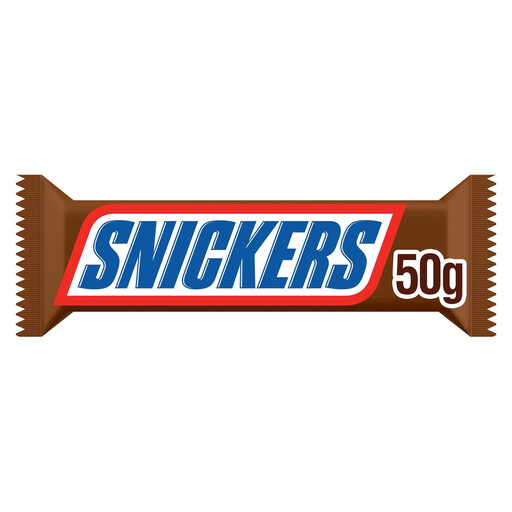 Image unavailable
Worth considering if you’re looking for a 50 g bar with peanuts and caramel. The recipe contains peanuts, so check the full allergen information on the packaging before taking it with you.
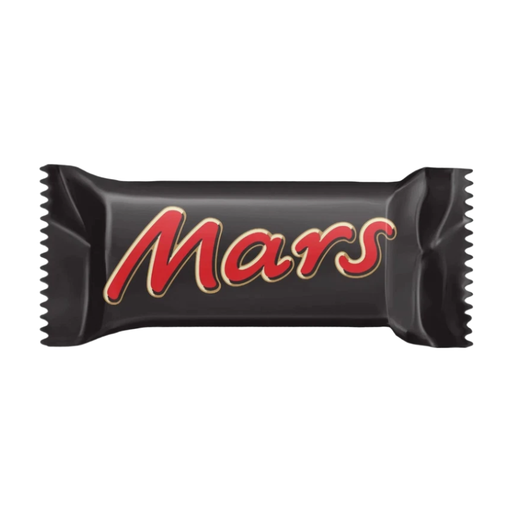 Image unavailable
Worth considering if you want a single 51 g bar with nougat and caramel. The recipe described contains milk, soya, barley and egg, among other ingredients; the packaging also warns that it may contain peanuts and tree nuts.
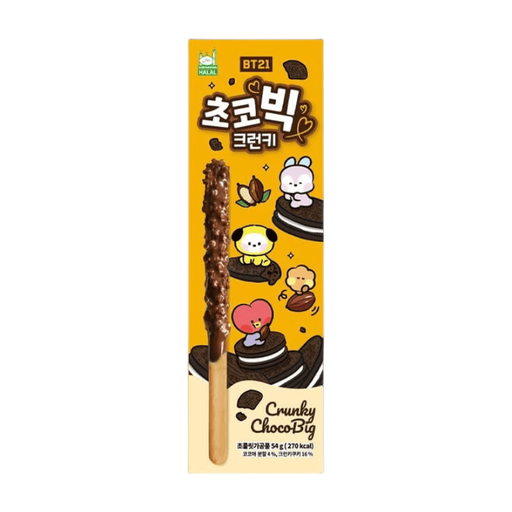 Image unavailable
Worth considering if 54 g is the portion you want to take with you. Check the pack size, ingredients list and allergen information for this product on the packaging.
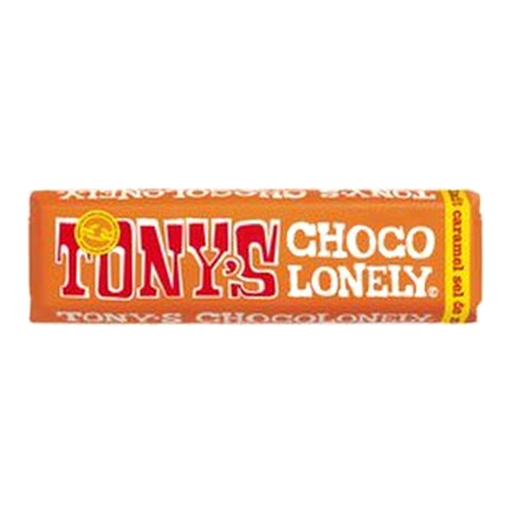 Image unavailable
This portion of milk chocolate with caramel and sea salt weighs 47 g. If you’re looking for a single wrapped piece to pop in your bag, check the number of pieces and the pack size before buying.
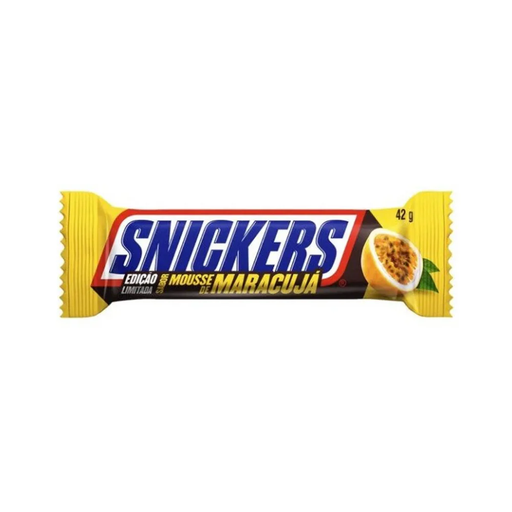 Image unavailable
This 42 g variant shouldn’t be confused with the classic 50 g Snickers bar. Check the pack size and ingredients on the packaging; the recipe described contains peanuts, among other ingredients.
No. According to economie.gouv.fr, displaying it is voluntary, unlike the nutrition declaration required for most prepacked foods. If the logo isn’t shown, check the nutrition table.
First, check the sugars per 100 g to compare like with like, then look at the value for the amount you’ll eat. A portion shown on the label may be less than a whole bar.
No. The contribution described by the Bulletin officiel des finances publiques-Impôts applies to the non-alcoholic drinks covered by the scheme, with a rate set per hectolitre of drink; it doesn’t apply to a solid chocolate bar.
Read the highlighted ingredients and any ‘may contain’ warnings on the packaging of the exact bar. For example, Carrefour France product pages list peanuts in Snickers and wheat in Twix and KitKat; don’t assume that one variant has the same ingredients as another.
Keep them in their packaging and in the shade to avoid prolonged exposure to the sun. If you’re also carrying foods that need to be kept chilled, follow their storage instructions separately; Anses recommends limiting their time at room temperature in very hot weather.