For a treat on the go
You want a portion without opening a whole chocolate block. A bar or mini bar fits the bill, but check whether you’re buying one piece or a pack of several.


For a portion that’s already separated, choose a chocolate bar or mini bar. If you’d rather enjoy a few squares and decide how much to have, a chocolate block may be a better fit. A filled bar, a mini bar and a dark chocolate block aren’t necessarily made to the same recipe, so check the type of chocolate, ingredients, sugars and allergens for each product.
You want a portion without opening a whole chocolate block. A bar or mini bar fits the bill, but check whether you’re buying one piece or a pack of several.
You’re more interested in the type of chocolate and its cocoa content than in a ready-portioned piece. A chocolate block lets you choose how many squares to have, as long as it suits you for carrying and storing once opened.
You want to check the sugars, fat, ingredients or allergens. Compare the details for the exact product: a dark chocolate block and a bar with a filling or inclusions may have different ingredients.
Start by separating the portion you want to buy from the recipe you fancy eating. Then use the needs below to help you choose between formats.
| What matters | What to check | Who is it for? |
|---|---|---|
| Portion to take with you | The weight of each piece and the number of pieces in the pack. | If I want to pop a single portion in my bag, I look for an individually separated piece rather than a block I have to break up. Around 33% of consumers prioritise this convenience. |
| Enjoying the cocoa | The chocolate description, stated cocoa percentage and ingredients. | If I want to choose my own squares and enjoy a recipe centred on cocoa, a chocolate block is a better fit. This is the top priority for around 25% of consumers. |
| Texture and recipe | Whether it has a filling, inclusions or other ingredients that define the recipe. | A soft centre or pieces of hazelnut matter more to me than the shape of the chocolate alone. Around 25% of consumers prioritise this texture or recipe first. |
| Ingredients and allergens | Sugars and saturated fatty acids per 100 g, the ingredients list and declared allergens. | Before choosing between two recipes, I need to check their ingredients or find out which allergens they contain. This is the top priority for around 17% of consumers. |
A filled bar, a pack of mini bars and a block you break into pieces don’t provide the same ready-to-eat portion, and they may not have the same recipe either.
Check the type of chocolate, the weight of each piece and the number of pieces before comparing ingredients.
The DGCCRF and Santé publique France say that displaying it is voluntary. Its absence doesn’t, by itself, mean that nutritional information is missing.
If it’s shown, use it as an additional guide when comparing similar products, then check the nutritional information and ingredients list.
The text published by Légifrance concerns drinks and liquid preparations for drinks, not a solid chocolate bar or block.
To compare these chocolates, check the sugars listed in their nutritional information instead.
Lindt offers, among other products, an Excellence Noir 78% chocolate block and a 150 g Lindor milk chocolate block.
Carrefour France features Milka mini bars and milk chocolate recipes with inclusions.
The range featured by Carrefour France includes Côte d’Or bars with hazelnuts or nougat, as well as chocolate blocks.
Carrefour France features, among other products, a 30 g Nestlé milk chocolate bar with puffed rice.
Carrefour’s own-label range at Carrefour France includes bars and Classic’ or Sensation chocolate blocks.
These products are small chocolate bars or packs of mini bars for a solo treat. A multi-piece pack lets you have one piece at a time, but it’s not the same purchase as a single bar.
 Image unavailable
Worth considering if you’re after a small dark chocolate bar rather than a whole chocolate block. The title states 70% cocoa and a weight of 35 g. If keeping the portion protected while you’re out is important, check how it’s packaged.
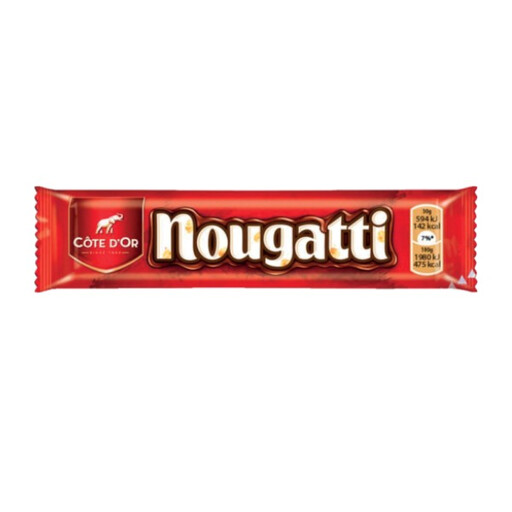 Image unavailable
This 30 g format is for anyone looking for a bar made with nougat and hazelnuts. Check the allergens on the exact product packaging, and check how it’s packaged if you plan to take it with you.
 Image unavailable
Choose this if you’d like to have one mini bar at a time, rather than buy a single piece: the pack contains nine pieces and weighs 104.4 g in total. If you’re comparing recipes by sugars or saturated fatty acids, check the nutritional information on the packaging.
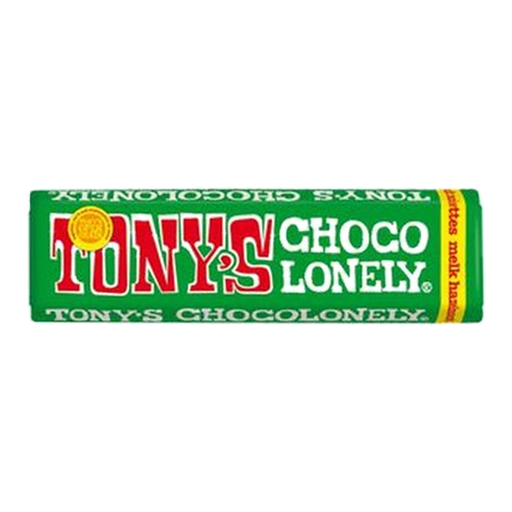 Image unavailable
This 47 g bar is a good option if you’re looking for a small format with a milk chocolate and hazelnut recipe. Check the allergens for the exact product, as well as how it’s packaged if you need to carry it with you.
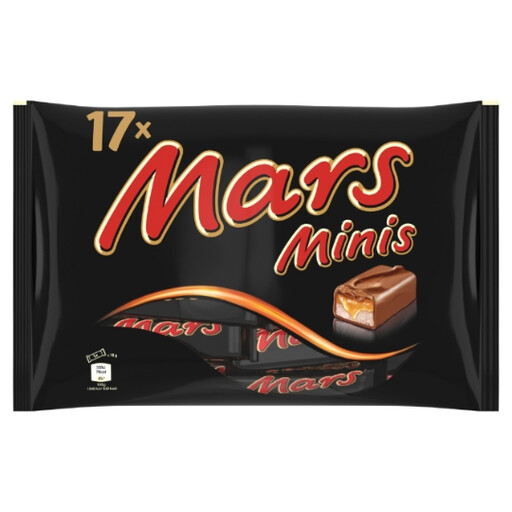 Image unavailable
This 333 g bag lets you take mini bars individually, but it’s a multi-piece purchase rather than a single bar. The recipe combines milk chocolate, caramel and nougat; check the allergens on the packaging.
No. In France, the DGCCRF and Santé publique France describe the Nutri-Score as a voluntary label. When comparing pre-packaged products, also check their nutrition declaration and ingredients list, whether or not they display the Nutri-Score.
No. The text published by Légifrance covers drinks and liquid preparations for drinks, not solid chocolate bars or blocks. To compare their ingredients, check the sugars listed on the label.
Read the ingredients list and check the allergens highlighted on the packaging of the exact product. Don’t assume a bar has the same ingredients as another recipe, even if they carry the same brand name.
No: compare the sugars per 100 g for each product. Lindt France states 17 g per 100 g for Excellence Noir 78%, compared with 44 g per 100 g for its Lindor Lait chocolate block. These two products don’t let you draw conclusions about all dark or milk chocolate.