When choosing a chocolate bar for a child’s snack, first check how much you’ll actually be serving, then look at the recipe’s nutritional values. The term ‘single-serve’ doesn’t mean a fixed portion weight. Compare the sugar content per 100 g and adjust it to the amount you’re serving. Check the allergens on the exact packaging, too. If a Nutri-Score is shown, it doesn’t replace any of these checks.
Who are these guidelines useful for?
Parents who want to know how much they’re serving
It’s easy to count bars or pieces, but their weight varies from one product to another. Carrefour France and Snickers France, for example, list individual bars weighing 41.5 g, 50 g and 51 g. Check the weight of each bar, not just the weight of the pack.
Parents comparing recipes
If you’re choosing between several bars, start with the nutritional values per 100 g, then factor in the amount you’ll serve. In France, the Nutri-Score is optional and supplements the nutrition declaration for prepacked foods, as the Ministry of the Economy points out.
Families who need to check for an allergen
Depending on the recipe, the ingredients list may include milk, soya, wheat, egg or peanuts, among other things. Check the exact product and any precautionary statements, even if you’re already familiar with another bar from the same brand.
What to check before you buy
When comparing bars for a snack, start with the weight you’ll actually serve, then read the nutritional values and ingredients for each recipe.
| What matters |
What to check |
Who is this for? |
| Amount served |
The weight of one bar and the number of pieces or segments you’ll actually serve. |
If you want to know exactly how much you’re serving as a snack, the bar’s weight matters more than the word ‘single-serve’. Around 42% of consumers put portion control first. |
| Nutritional comparison |
Sugars per 100 g, then the amount in the portion; check saturated fat and salt, too. |
When comparing two recipes with different weights, I want to compare them on the same basis before considering how much to serve. Around 33% of consumers prioritise this nutritional comparison. |
| Allergens |
The ingredients list and any precautionary statements for the exact product. |
If an ingredient needs to be avoided, the brand name or flavour alone isn’t enough to choose a bar. For around 25% of consumers, checking allergens is the main concern. |
Common mistakes
-
Assuming the ‘soda tax’ applies to chocolate bars
The levy described by Légifrance applies to drinks and liquid preparations for drinks, not solid chocolate bars. It therefore isn’t a useful way to compare these products.
Instead, compare two bars by their weight, ingredients and nutritional values.
-
Treating the Nutri-Score as a guide to portion size
The Ministry of the Economy explains that this logo is optional in France and supplements the nutrition declaration. Even if it’s displayed, it doesn’t tell you how much of the bar will be served.
Compare the values per 100 g, then take the amount eaten into account.
-
Assuming all single bars weigh the same
Carrefour France lists a 51 g Mars bar and 41.5 g KitKat bars, while Snickers France lists a 50 g bar. Counting the bars alone isn’t enough to compare portions.
Check the weight of each piece and count the segments or mini bars you’ll serve.
-
Relying on the allergens in a different recipe
Ingredients vary from one product to another. The 50 g single bar described by Snickers France contains peanuts, milk, soya and egg, among other ingredients, and carries a statement about hazelnuts.
Read the packaging for the product you’ve bought, especially if the recipe or format has changed.
Brands to compare
Mars
Carrefour France lists a 51 g Mars bar with milk chocolate, caramel and nougat.
- The product listing gives the weight per bar, ingredients and nutritional values for each bar.
- This recipe contains milk, barley, soya and egg, among other ingredients; it may also contain peanuts and nuts. These details don’t apply to every Mars product.
Snickers
Snickers France describes a 50 g single bar with caramel and peanuts.
- Its product listing gives values per 100 g and per bar, including 26 g of sugars in this 50 g portion.
- The recipe contains peanuts, milk, soya and egg, and may contain hazelnuts.
KitKat
Carrefour France lists KitKat milk chocolate bars in 41.5 g portions.
- Knowing the weight of each bar makes it easier to distinguish the amount in one bar from the amount in the pack.
- The product described contains wheat and milk, among other ingredients. Check the ingredients for each version.
Carrefour
Carrefour France lists, among other options, its own-brand milk chocolate bars in a pack of ten 21 g portions.
- The weight of each bar helps you work out how much you’re serving without relying on the total pack weight.
- Check the exact recipe for its ingredients, allergens and nutritional values.
Chocolate options to explore on Joybuy
This selection includes single bars and multipacks. When choosing how much to serve as a snack, distinguish the weight of one piece from the weight of the pack, and check the ingredients for the version you choose.
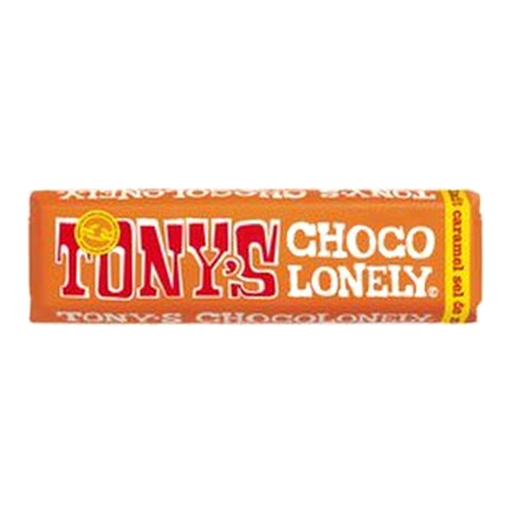 Image unavailable
TONY'S milk chocolate with caramel and sea salt, 47 g
At 47 g, this format makes it easy to check the weight of the piece you’ll serve. To compare sugars and check allergens, consult the nutritional values and ingredients on the exact packaging.
View on Joybuy
 Image unavailable
Nestle KitKat Strawberry Short Cake, 9 pieces, 104.4 g
This pack of nine pieces makes it easy to count how many you serve. The total weight of 104.4 g doesn’t replace checking the nutritional values and allergens for this version.
View on Joybuy
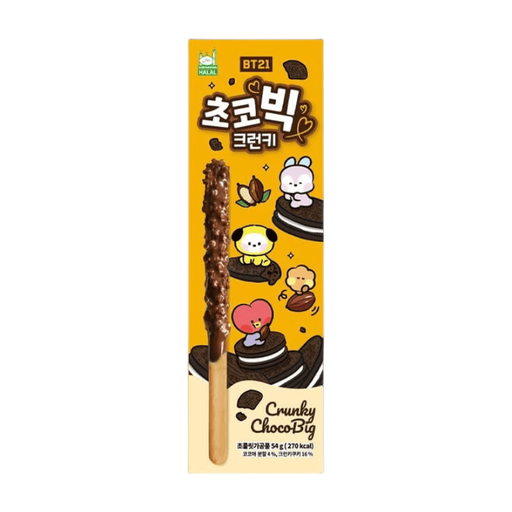 Image unavailable
BT21 Chocobig Crunky 54 g
This product is listed as weighing 54 g, so bear that in mind if you’re planning to serve the whole piece. Check the ingredients, allergens and nutritional values on the packaging before comparing it with other recipes.
View on Joybuy
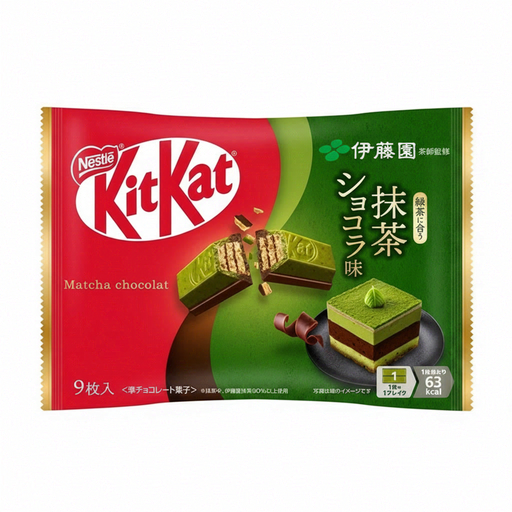 Image unavailable
KitKat Matcha chocolate flavour
If you’re considering this matcha version for a snack, check the weight of the piece you’ll be serving. Also check the nutritional information, ingredients and allergens on the exact packaging.
View on Joybuy
Frequently asked questions
Does the ‘soda tax’ apply to chocolate bars in France?
No. Solid chocolate bars aren’t covered by the levy that Légifrance describes for drinks and liquid preparations for drinks. To compare bars, look at their nutritional values and the weight of the amount you’ll serve instead.
Does a chocolate bar have to display the Nutri-Score?
No. The Ministry of the Economy says that the Nutri-Score is optional in France and supplements the nutrition declaration required for most prepacked foods. If it’s shown, also check the values per 100 g and the amount you’ll actually serve.
How do you compare two bars that weigh different amounts?
First compare their nutritional values per 100 g, then check the weight of each bar and how much you plan to serve. Two values given ‘per bar’ don’t describe the same amount if the bars weigh different amounts.
If peanuts aren’t mentioned in the name, is that enough to know a bar is safe for someone with an allergy?
No. Check the ingredients and precautionary statements for the exact product: the product name alone doesn’t tell you about every allergen. If your child has a diagnosed allergy, follow the advice of their healthcare professional.


